Caleb Turner

I recommend using a mixture of baking soda and water to tackle any unwanted marks on your wooden table. Combine these ingredients into a paste and gently rub it onto the affected area using a soft cloth. This method creates a mild abrasive that helps lift the discoloration without damaging the finish.
Another effective solution involves vinegar and olive oil. Mix one part vinegar with two parts olive oil, apply it to a clean cloth, and work it into the blemish in the direction of the wood grain. This technique not only aids in lifting the marks but also conditions the surface.
For more stubborn blemishes, consider using rubbing alcohol. Dampen a cloth with the alcohol and test a small, inconspicuous area first to ensure the finish remains intact. If it passes the test, gently dab the ink-marked spot, allowing the solvent to break down the discoloration.

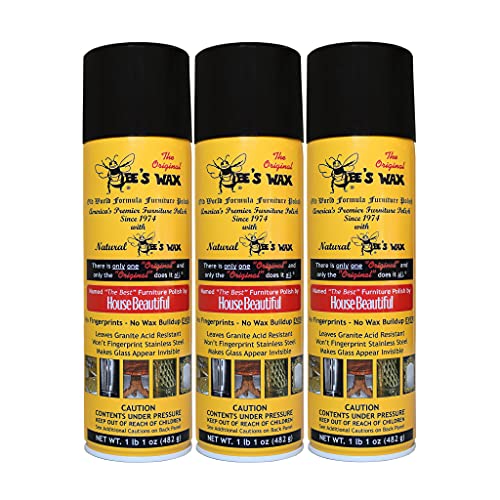

Regardless of the method chosen, always remember to follow up with a wood polish or conditioner to restore the natural shine and protect the surface from future issues.
Assessing the Type of Ink Stain
First, determine the category of the mark on the surface. Familiarize yourself with two primary types: dye-based and pigment-based. Dye-based varieties tend to penetrate deeper into the material, making them more challenging to remove. In contrast, pigment-based solutions lie more on the surface, often allowing for easier treatment.
Visual Identification
Inspect the discoloration closely. Dye stains often present a vivid, saturated appearance, while pigment marks usually have a more muted or chalky tone. Check for any color bleeding, which can indicate a dye component.
Moisture Test
Applying a small amount of water to the area can also indicate the type. If the mark darkens significantly, it’s likely a dye, as these absorb moisture more readily. Pigment-based residues may not react as strongly, often remaining relatively unchanged.
In both cases, understanding the stain’s makeup is critical for selecting the appropriate removal technique and ensuring the surface remains unharmed during the process.
Gathering Necessary Cleaning Materials
Before tackling the discoloration, I ensure I have the following items ready:
| Material | Purpose |
|---|---|
| Soft cloths | To gently dab and absorb liquids without scratching the surface. |
| Plain water | Used for initial rinsing and diluting cleaning solutions. |
| White vinegar | Effective for breaking down discoloration without damaging finishes. |
| Baking soda | Acts as a mild abrasive for tough residues without harming the surface. |
| Rubbing alcohol | Great for dissolving stubborn marks and evaporating quickly. |
| Olive oil | Helps to condition and restore luster after cleaning. |
| Toothbrush | Useful for reaching into crevices and applying solutions precisely. |
| Cotton swabs | Ideal for small areas that require detailed attention. |
Having these materials on hand ensures a more streamlined and successful cleaning process, allowing me to effectively address the issue.
Testing Cleaning Solutions on a Hidden Area
I recommend finding an inconspicuous spot on the item to test any cleaning solution first. This ensures that the chosen method will not damage the finish or change the appearance. Aim for a location like the underside of a drawer or a back corner of a surface.
Steps to Follow
Apply a small amount of the cleaning product using a cotton swab or cloth. Gently rub the area without applying too much pressure. Wait for a few minutes to observe any reactions. Check for discoloration or damage before proceeding with a larger application.
What to Monitor
| Observation | Action |
|---|---|
| No change | Use the solution on the affected area. |
| Discoloration | Discontinue use and try an alternative method. |
| Finish damage | Stop immediately and seek professional advice. |
By carefully testing, I can confidently ensure that the method chosen is safe for the entire piece and effective in addressing the marks.
Applying Rubbing Alcohol to the Ink Stain
I recommend using a clean white cloth or cotton ball to apply rubbing alcohol directly to the affected area. Moisten the cloth, ensuring it is damp but not dripping. This prevents excess liquid from seeping into the surface. Gently blot the mark, starting from the outer edges and moving inward to avoid spreading. Avoid vigorous rubbing, which may damage the finish.
As the cloth absorbs the pigment, regularly check the fabric and switch to a clean area or a new cotton ball to prevent reapplying the ink. It’s important to be patient; this process can take some time depending on the severity of the discoloration.
Once the majority of the discoloration has lifted, use a damp cloth with plain water to wipe away any remaining alcohol residue. Dry the area with a soft, dry cloth to restore some shine to the surface. If needed, consider applying a wood conditioner or polish afterward to maintain luster.
Using Vinegar and Olive Oil for Stain Removal
For a natural solution, I recommend combining equal parts of vinegar and olive oil. This mixture not only helps lift the blemish but also conditions the surface. Begin by shaking the solution in a small container to ensure it blends well.
Application Process
Using a soft cloth, dip it into the vinegar and olive oil blend. Gently rub the affected area in circular motions. It’s important to apply light pressure to avoid damaging the finish. I ensure that the cloth is not overly saturated to prevent excess liquid from seeping into the wood.
Finishing Touch
After cleaning, I wipe the area with a clean dry cloth to remove any residue. This step not only helps with the shine but also ensures no moisture remains, which could lead to damage over time. If necessary, I repeat the process until the desired results are achieved.
Employing Baking Soda as a Gentle Abrasive
Combine baking soda with a small amount of water to create a paste. Gently apply this mixture to the marked area using a soft cloth or sponge. The key is to avoid excessive scrubbing, as this may damage the surface. Instead, lightly rub the paste in a circular motion, allowing the baking soda to lift the discoloration.
Rinsing the Area
After a few minutes, dampen a clean cloth with plain water and carefully wipe away the paste. Ensure that no residue remains, as the baking soda can leave a powdery film if not fully cleaned off.
Drying the Surface
Use a dry, soft cloth to gently pat the area dry. This step helps prevent any moisture from causing further issues. Monitor the surface for any changes or lingering marks, repeating the process as necessary.
Wiping the Area with a Soft Cloth
I recommend using a soft cloth, preferably microfiber, to gently dab the spot after treating it with your chosen cleaning solution. This helps to lift any residues without causing damage to the surface.
Technique for Absorption
Instead of rubbing, which can spread the residue, I gently blot the area. This method draws the liquid into the cloth, minimizing risk to the finish.
Frequency of Wiping
Repeat this process as necessary, using a clean section of the cloth each time to avoid transferring any remaining pigments back to the surface. A consistent approach yields the best results while safeguarding the appearance of the surface.
Restoring the Wood Finish After Cleaning
Apply a quality furniture polish or wax to rejuvenate the surface after removing the blemish. This not only protects but also enhances the natural beauty of the grain.
Follow these steps:
- Choose a polish or wax formulated for the specific type of finish on your timber.
- Shake the product well and apply a small amount to a soft cloth.
- Gently buff the area using circular motions, ensuring even coverage.
- Allow the polish to sit for a few minutes to penetrate before buffing it again for a smooth finish.
For deeper restoration, consider using a wood conditioner. Apply it similarly but focus more on the areas that may appear uneven or dulled. This step helps restore moisture and luster.
If visible scratches or scuff marks remain post-cleaning, a wood filler can be used to fill in these imperfections. Match the color closely to the existing finish, apply it carefully, and sand lightly once dry to blend it seamlessly.
Regular maintenance is key. Wipe surfaces with a dry microfiber cloth to prevent dust accumulation and keep the finish looking fresh.
Preventing Future Ink Stains on Furniture
To avoid unsightly marks on my surfaces, I take proactive steps to protect them from potential spills. Ensuring the use of protective barriers is key.
1. Use Coasters and Trays
I always place coasters under drinks and use trays for pens, markers, and other writing instruments. This simple habit minimizes the risk of accidental drips and leaks.
2. Choose the Right Writing Tools
- Opt for pens with caps that fit securely to reduce leakage.
- Consider using gel pens or ballpoint pens as they are less prone to dripping compared to fountain pens.
3. Regular Maintenance
Routine cleaning with appropriate products keeps surfaces smooth and less likely to absorb liquids. I make it a point to use a soft cloth and a gentle cleaner regularly.
4. Education on Ink Products
Understanding the type of ink used in my writing tools allows me to take extra care. Knowing which pens may leak or smudge guides my choices for everyday use.
5. Create a Dedicated Workspace
By establishing a specific area for writing and creative projects, I can contain any possible mess. Keeping that space organized reduces the chance of errant spills reaching other surfaces.
6. Use Protective Finishes
- Applying a clear protective coating on surfaces increases resistance to liquids.
- Consider using furniture wax for added protection against spills.
Maintaining vigilance and adopting these preventative strategies not only enhances the longevity of my surfaces but also provides peace of mind during everyday activities.