
 Caleb Turner

I recommend using ice cubes to eliminate those annoying indentations left by heavier items. Place several ice cubes in a clean cloth and apply them directly on the affected areas for about 10-15 minutes. The cold will help the fibers of the flooring to swell and regain their original shape.
After the ice has melted, gently fluff the area with your fingers or a soft brush. This method is effective and non-damaging, ensuring your flooring remains in great condition.
If the impressions persist, a mix of white vinegar and water can work wonders. Combine equal parts vinegar and water in a spray bottle, lightly mist the area, and blot with a clean cloth. Rinse with plain water after a few minutes to avoid residue buildup.
In cases where discoloration is evident, consider using a specialized carpet cleaner. Always test any cleaner on a hidden spot first to ensure it doesn’t alter the hues or textures of your flooring.

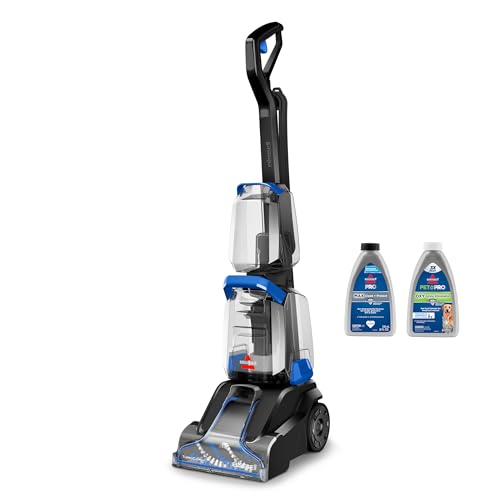
Identify the Type of Carpet for Proper Cleaning
Knowing the specific material of the floor covering is key for adequate restoration. Different fibers react uniquely to various cleaning methods.
For nylon, a common choice, utilize a mild detergent mixed with warm water. Avoid high heat during cleaning, as it can damage the fibers.
If polyester is present, be cautious with heat and opt for synthetic-friendly solutions to prevent any discoloration or wear.
Wool requires gentle handling. Use lukewarm water and a specialized wool cleaner, taking care to blot rather than scrub.
Berber carpets, often made from olefin or other synthetic materials, can handle a mix of water and vinegar for freshening up. Test any solution in an inconspicuous area first.
Recognizing these distinctions ensures I select a fitting cleaning approach that preserves the integrity of the fibers while effectively addressing imperfections. Always consult labels or manufacturer guidelines for best practices.
Assess the Severity of the Imprints
Begin by closely examining the depth and visibility of the depressions left on the surface. If the indentations are slight and the fibers maintain their original form, a simple approach may suffice. Vacuuming can often rejuvenate the fibers without further intervention.
Moderate Indentations
For more apparent impressions, dampening the affected area lightly can help. Utilize a cloth to apply a small amount of water, allowing it to penetrate the fibers for a few minutes. Subsequently, try massaging the fibers gently with your fingers or a spoon. This method often lifts moderate indentations effectively.
Severe Imprints
In cases where imprints are deep and resistant, consider a more thorough cleaning process. Employ a steam cleaner or hire a professional service. Ensure that the method chosen is compatible with the carpet type to avoid damage.
Gather necessary cleaning supplies and tools
I recommend assembling the following items before tackling the blemishes on the flooring:
| Supplies/Tools | Purpose |
|---|---|
| Soft cloths or towels | To blot and absorb moisture without damaging fibers. |
| White vinegar | Acts as a natural cleaning agent and deodorizer. |
| Baking soda | Helps lift stains and odors. |
| Dish soap | Used for creating a gentle cleaning solution. |
| Spray bottle | For applying cleaning solutions evenly. |
| Vacuum cleaner | Necessary for clearing debris before cleaning. |
| Stiff brush | Assists in loosening dirt from deeper fibers. |
| Heat source (iron or hairdryer) | Can help to restore the texture of the fibers. |
Having these supplies ready will streamline the process and increase the chances of restoring the beauty of your flooring.
Apply Heat Techniques to Restore Carpet Fibers
Utilizing heat is a straightforward method to rejuvenate carpet fibers that have been compressed by heavy furniture. This technique is particularly effective for synthetic carpets and allows you to revive the original texture with minimal effort.
Recommended Tools
- Iron (preferably with steam function)
- Cotton cloth or towel
- Soft brush or towel
Step-by-Step Process
- Set the iron to a low heat setting with no steam. Ensure it’s not too hot, as excessive heat may damage the fibers.
- Place the cotton cloth or towel directly over the affected area. This acts as a barrier and protects the carpet from direct heat.
- Gently press the iron onto the cloth for about 10-15 seconds. Move it around to avoid overheating any spot.
- Remove the iron and cloth, then use a soft brush or towel to fluff the carpet fibers back into their original position. This helps restore the texture.
- If needed, repeat the process until the desired results are achieved.
Always test this method on a small, inconspicuous area first to ensure no discoloration or damage occurs. By applying these techniques, restoring your carpet can be simple and effective. Adjust the process according to the specific type of carpet for optimal results.
Use steam to lift the indentation from the carpet
For restoring the texture of the fibers, I utilize steam as an effective method. I position a steam cleaner or an iron, filled with water, a few inches above the affected area. It’s crucial to avoid direct contact to prevent potential damage.
I release steam onto the indentation gradually, allowing the moisture to penetrate the fibers. This process helps to relax the carpet’s material, promoting its return to the original state. After steaming, I gently fluff the area with my fingers or a clean cloth to help reshape the fibers, enhancing the recovery.
If I notice stubborn indentations, I repeat the steaming process a couple of times. Patience is key; giving the fibers enough time to respond to the heat and moisture yields the best results. After completing, I ensure the area dries completely before resuming normal use to prevent any further flattening.
Try Natural Solutions for Gentle Cleaning
I recommend starting with a mixture of water and white vinegar, which can work wonders. Combine equal parts of both in a spray bottle and lightly mist the affected area. Allow it to sit for a few minutes before gently blotting with a clean cloth. This helps lift the fibers without harsh chemicals.
Baking Soda for Absorption
Baking soda is another fantastic option. Sprinkle it generously over the indentation and let it sit for a few hours or overnight. This allows the powder to absorb moisture and odors, making it easier to lift any residual impressions when vacuuming.
Olive Oil and Vinegar Blend
If you’re dealing with particularly stubborn impressions, I find that a solution of one part olive oil and two parts vinegar can be effective. Apply this gently to the area using a soft cloth, and softly rub in a circular motion. This not only helps to restore the fibers but also adds a bit of shine.
Consider professional cleaning options if needed
If home remedies don’t yield satisfactory results, engaging a cleaning service can be a worthwhile choice. Trained technicians possess specialized equipment and solutions tailored for deep cleaning various textile materials.
- Research local carpet cleaning companies with solid reputations and read customer reviews for feedback on their services.
- Verify they use advanced technology, such as hot water extraction or low moisture cleaning, which can effectively rejuvenate damaged fibers.
- Ask about their experience with your specific rug type to ensure they understand the appropriate techniques.
- Inquire about the cleaning products they use; eco-friendly solutions are often preferable for safety and health.
- Request a quote before committing, as prices can vary significantly based on the scope of work.
- Consider scheduling a maintenance plan if you want to prevent further issues in the future.
Ultimately, opting for professional services might save you time and effort, while ensuring your textile surfaces remain in excellent condition.
Implement preventive measures to avoid future indents
Choose furniture with wider legs or a base to distribute weight evenly across surfaces, minimizing pressure on carpets.
Use protective pads or coasters under legs to create a buffer, preventing damage when moving or shifting items.
Periodically rearrange furniture to redistribute weight and allow carpet fibers to recover naturally from compression.
Consider using area rugs in high-traffic or heavily furnished spaces to provide an additional layer of protection against indentations.
Establish a regular cleaning and maintenance routine to keep fibers fluffy and resilient, ensuring they bounce back from any potential pressure.
Monitor humidity levels in the environment, as dry conditions can lead to more permanent impressions in the textile. Use humidifiers if necessary.
Invest in quality carpet that is more durable and resistant to indentations for areas that face heavy usage.


