
 Caleb Turner

I recommend tackling those pesky indentations with ice cubes. Simply place a few cubes directly on the affected area. Allow them to melt, which will help to loosen the fibers in the pile. Once the ice has fully melted, use a clean, dry cloth to absorb any excess moisture.
Next, gently fluff the carpet fibers with a spoon or your fingers. This method works well because the water from the melted ice helps to restore the natural shape of the fibers, lifting them back into position.
For stubborn impressions, consider a steam approach. Use a steam iron held at a safe distance to introduce a bit of moisture and heat. Be cautious not to saturate the area; a light burst of steam can work wonders. Follow up with the fluffing technique to bring life back to those flattened spots.
Additionally, regular maintenance, such as rotating furniture or using coasters under heavy items, can prevent future indents. By being proactive, you can keep your flooring looking pristine longer.


Removing Indentations from Flooring
Spray a mixture of equal parts white vinegar and water directly onto the affected area. Allow it to sit for about 15 minutes.
Gently agitate the fibers using a soft-bristle brush or a clean cloth, working with the grain of the material. Avoid harsh scrubbing to prevent damage.
Blot the area with a dry towel to absorb excess moisture. If necessary, repeat the spraying and blotting process.
For deeper impressions, place a damp cloth over the area and apply a warm iron for a few seconds. Move the iron constantly to avoid burning the fabric.
After this, let the area cool and check for improvement. Fluff the fibers with a vacuum cleaner or a brush for best results.
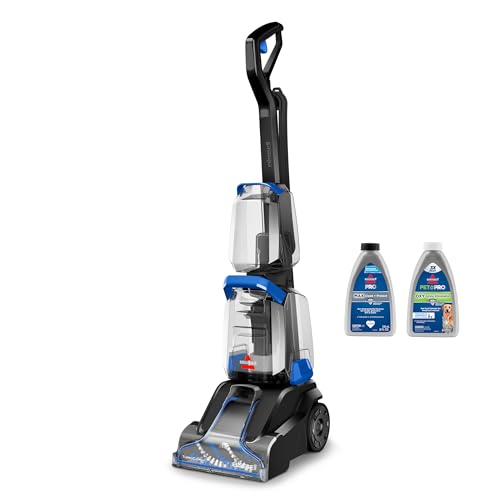
Consider using a carpet cleaner specifically designed for lifting stains or indentations, if needed. Always follow the manufacturer’s instructions for best outcomes.
Regularly rearranging items can prevent these formations in the future. A protective mat under heavy pieces can also help maintain the surface.
Assessing the Damage to Your Carpet
Begin by examining the affected area closely. Check for discoloration or fiber compression. Use a flashlight to enhance visibility, revealing imperfections that may not be immediately obvious.
Visual Inspection
Identify the pattern of the impressions. Are they shallow or deep? Shallow impressions may recover with simple cleaning, while deeper ones require more intensive treatment. Determine if the fibers are discolored, which may indicate a need for color correction products.
Texture and Fiber Type
Consider the texture and material composition. Natural fibers, like wool, respond differently compared to synthetic ones, such as nylon. Test a small, inconspicuous area with your cleaning solution to check for possible damage or fading.
| Fiber Type | Cleaning Recommendations | Recovery Potential |
|---|---|---|
| Wool | Use a damp cloth with mild soap | High – often bounces back |
| Nylon | Use specialized carpet cleaner | Moderate – can show improvement |
| Polyester | Steam cleaning recommended | Variable – depends on compression |
Once you evaluate the extent of the damage and the carpet type, form a plan tailored to restore its original state. Addressing the issue promptly enhances the likelihood of success in your restoration efforts.
Choosing the Right Cleaning Method
Opt for a white cloth or paper towel to blot the affected area; this helps to avoid color transfer. Using a mild dish soap diluted in water is usually effective. I mix one tablespoon of soap with two cups of warm water, then gently dab the solution onto the stain without soaking the fibers.
If the initial method doesn’t yield results, white vinegar can be applied. A mixture of equal parts vinegar and water works well; I spray it lightly on the area and let it sit for about 10 minutes before blotting with a clean cloth.
For tougher scenarios, consider a commercial cleaning solution designed specifically for upholstery or similar surfaces. Always follow the manufacturer’s instructions and test the product in an inconspicuous area first to prevent potential damage.
In cases of deep-set impressions, using a steam cleaner may be beneficial. I ensure that the nozzle is set to a safe heat level and maintain a moderate distance from the fabric to avoid burn marks.
Lastly, consider mechanical options like a carpet rake or brush. Gently lifting the fibers can restore their original appearance without applying excessive moisture. I find that a combination of these methods often yields the best outcomes, adjusted based on the severity of the stain and type of material involved.
Gathering Necessary Cleaning Supplies
First, ensure I have a high-quality vacuum cleaner on hand. This will help eliminate loose debris from the surface. Next, I gather several clean, absorbent cloths or towels for blotting. A microfiber cloth is ideal for this purpose.
Next, I choose a suitable cleaning solution. A mix of warm water and white vinegar works effectively. For tougher stains, I might opt for a carpet cleaner designed to target specific issues. It’s also wise to have baking soda available; it can serve as an effective deodorizer.
Additional Tools
To further enhance the cleaning process, I add a spray bottle for easy application of my cleaning solution. A soft-bristle brush is essential for agitating the carpet fibers without causing damage.
Finally, I ensure I have a pair of gloves on hand to protect my hands from any cleaning agents. With these supplies ready, I feel well-equipped to tackle the situation efficiently.
Testing Cleaning Products on a Hidden Area
Before applying any cleaning solution across a broad space, it’s critical to test it on an inconspicuous section of the textile. Choose a spot that is less visible, such as behind a piece of furniture or under a rug, to avoid potential damage in highly visible areas.
Application Method
Apply a small amount of the cleaner using a clean cloth or sponge. Gently dab the solution onto the selected area, ensuring not to saturate it. Monitor the spot for a few minutes, observing any changes or reactions in texture and color.
Assessment of Results
After allowing sufficient time for the product to work, check for discoloration or residue. If there are no adverse effects, it’s generally safe to proceed with cleaning the marked areas. If any negative reaction occurs, discontinue using that particular cleaner and explore alternate options.
Using a Steam Iron to Remove Marks
Using a steam iron is an efficient method for tackling impressions left by heavy items on your flooring. Here’s how to effectively use this device:
- Prepare the area by vacuuming the section where you notice the indentations. This helps eliminate dirt and debris, allowing the steam to penetrate better.
- Set the steam iron to a low heat setting. Ensure that you select the steam option, as the moisture will assist in loosening the fibers.
- Place a clean, damp cloth directly over the impacted area. This helps to protect the fibers from direct heat, preventing damage.
- Carefully hover the steam iron over the cloth, ensuring not to touch it directly. Move it in circular motions for about 10-15 seconds to let the steam work its magic.
- Remove the cloth and gently fluff the carpet fibers with your fingers. This encourages the fibers to return to their original state more effectively.
- If necessary, repeat the steaming process until the desired results are achieved.
Additional Tips
- Always test the steam iron on a small, inconspicuous area first to ensure there’s no adverse reaction.
- Do not apply excessive pressure with the iron; the steam should do the work.
- Avoid using a high heat setting, as it may scorch or shrink the fibers.
By following these steps, I have successfully restored my flooring, eliminating those unwanted depressions left by my furniture.
Applying Carpet Cleaner for Stains and Smells
For optimal results, ensure the surface is free from any debris before applying a cleaner. I spray an appropriate carpet cleaning solution directly onto the stained area. Allow it to sit for the recommended amount of time specified by the manufacturer, which is usually around 5-10 minutes, to break down the residue.
Techniques for Application
Utilizing a clean cloth or sponge, I gently blot the area instead of rubbing. This method prevents the stain from spreading and ensures better absorption of the cleaner. If necessary, repeat the spraying and blotting until the stain diminishes.
| Stain Type | Recommended Cleaner |
|---|---|
| Pet Odor | Enzymatic Cleaner |
| Wine Spill | Foaming Carpet Cleaner |
| Grease | Dissolving Spray |
| General Dirt | All-Purpose Cleaner |
Final Steps
After treating the area, rinse it with water to remove any cleaning product residues. I use a clean towel to absorb excess moisture. Allow the area to air dry fully, and if any unpleasant scents persist, I consider sprinkling baking soda over the area to neutralize odors before vacuuming it up after a few hours.
Utilizing a Carpet Brush for Fluffing
To restore the appearance of your flooring after removing unwanted impressions, employing a carpet brush is a straightforward approach. Begin by selecting a brush designed specifically for carpets, which features nylon or natural bristles for better results.
Technique for Fluffing
Carefully run the brush over the affected area in the direction of the fibers. This movement will revitalize the tufts and help them stand upright again. Be firm but gentle, avoiding excessive pressure that could cause additional damage.
Frequency of Use
Incorporate this technique into your regular cleaning routines to maintain plushness. Regular brushing not only enhances the look but can also prolong the lifespan of your floor covering.
Take note of any particularly stubborn areas; additional brushing or a gentle combing motion can often provide enhancement. Always ensure that the brush is clean before use to prevent transferring dirt back onto the surface.
Implementing the Ice Cube Trick
Take an ice cube and place it directly on the indentation left behind. Allow it to sit for several minutes until the fibers have absorbed moisture and expanded. This simple method effectively helps to restore the original texture.
Steps to Follow
- Position the ice cube in the center of the dent.
- Wait for about 5 to 10 minutes, or until the ice has melted completely.
- Use a clean towel to dab away excess moisture from the area.
- Gently fluff the affected fibers with your fingers or a soft brush.
Additional Tips
- Ensure the carpet is not overly wet; excessive moisture can lead to mold.
- If necessary, repeat the process for deeper impressions.
- A fan can aid in drying the area faster.
Preventing Future Furniture Indentations on Carpet
To avoid depressions from my furnishings on the rug, I place soft pads or felt coasters under the legs. These small additions distribute weight more evenly, reducing pressure on the fibers.
Regularly rearranging my furniture can also help; changing the layout ensures that no area bears too much weight over time. Choosing lighter pieces or those with wider bases further decreases the likelihood of leaving imprints.
Utilizing Area Rugs
In high-traffic spaces, I often use area rugs to protect the underlying carpet. This not only adds a decorative layer but shields the base carpeting from excessive wear and pressure from heavier items.
Scheduled Maintenance
I schedule periodic deep cleaning and fluffing of the carpet. By keeping the fibers in top condition, it becomes more resilient to indentations. Additionally, I make it a habit to vacuum often, which helps lift minor imperfections before they become permanent.


