Caleb Turner
Sprinkling baking soda generously over the affected area serves as an immediate remedy. This substance acts as a natural deodorizer, absorbing unpleasant odors. After letting it sit for several hours, thoroughly vacuum to lift the powder along with the trapped scent.
Another effective solution involves creating a mixture of equal parts water and white vinegar in a spray bottle. Lightly mist the solution onto the specific spots, ensuring that it does not soak the material. The vinegar’s acidity neutralizes odors, leaving a fresher scent behind as it dries.


For stubborn areas, consider an enzymatic cleaner specifically designed for organic matter. These products break down the components that create odors. Follow the instructions on the label, applying generously and allowing it to sit as recommended for optimal results.
Identify the Source of the Odor
I begin by examining every area where my pet spends time. I check corners, underneath furniture, and any hidden spots that could be overlooked. These places often trap moisture and scents, contributing to lingering odors.
If I suspect an area, I conduct a sniff test; getting close to the surfaces can reveal whether I’m on the right track. Lightly rubbing a cloth over the suspected surfaces can also help pick up any residues. I prefer using a white cloth to see stains clearly.
Bodily fluids are common culprits. I look for discoloration or sticky spots that might indicate where my pet has had an accident. Once I identify these spots, it’s easier to target them with cleaning solutions.
<pIt’s also vital to consider items like toys and bedding. I examine these for any trapped scents, as they can contribute significantly to the overall aroma in my space. I ensure to clean these areas regularly to prevent any build-up.
<pBy methodically identifying and addressing the sources of unwanted scents, I can effectively manage and eliminate persistent issues, creating a fresher living environment. This targeted approach leads to more successful outcomes in terms of cleanliness and freshness.
Choose the Right Cleaning Solution
Opt for enzymatic cleaners specifically designed to tackle organic odors. These formulas break down the odor-causing substances effectively. I prefer solutions that contain protease and amylase enzymes, as they target proteins and starches found in pet waste, eliminating unpleasant scents rather than merely masking them.
Natural alternatives such as vinegar and baking soda can also work well. Combining equal parts of white vinegar and water makes an excellent DIY solution that neutralizes odors. For carpets, I sprinkle baking soda generously after applying the vinegar mixture, allowing it to absorb any remaining scents before vacuuming it up.
Always test any cleaner on a small, inconspicuous area before applying it widely. This ensures the product won’t cause discoloration or damage to the surfaces. If you’re using a commercial cleaner, follow the manufacturer’s instructions for the best results.
For particularly stubborn odors, I schedule a professional deep cleaning service that specializes in odor removal. They often use industrial-grade equipment and solutions that can penetrate deeper layers of fabric and padding.
Test Cleaning Products on a Small Area
I recommend testing any cleaning solution on a small, inconspicuous section prior to application. This ensures that it will not cause discoloration or damage.
Follow these steps for effective testing:
- Select a hidden spot, like underneath a piece of furniture or near a baseboard.
- Apply a small amount of the cleaner using a soft cloth or sponge.
- Wait for a few minutes to observe any reactions, such as discoloration or texture changes.
- If the area remains unaffected, proceed with cleaning the larger surface.
For upholstery, check a hidden corner or the underside of cushions. Always blot rather than rub, as rubbing might spread the stain or damage fibers.
Document the results if you are trying multiple products. This comparison will help you choose the most suitable option for your needs.
Use Baking Soda for Odor Absorption
The application of baking soda is a highly effective method for neutralizing undesirable scents in various textiles. Start by liberally sprinkling baking soda on the affected areas, covering them completely.
Application Process
Allow the baking soda to sit for a minimum of 15 minutes, although leaving it for several hours or overnight provides better results. This duration enables the powder to absorb moisture and odors effectively.
Cleanup
After the waiting period, utilize a vacuum cleaner to remove the baking soda. Ensure thorough vacuuming to eliminate all remnants of the powder, which could leave a residue.
| Step | Details |
|---|---|
| 1. Sprinkle | Evenly distribute baking soda over the area |
| 2. Wait | Allow it to sit for 15 minutes to several hours |
| 3. Vacuum | Clean up any excess powder completely |
This natural ingredient not only helps in maintaining a fresher environment but also contributes to the longevity of your textiles.
Apply Vinegar and Water Solution
Combine one part white vinegar with one part water in a spray bottle. This mixture serves as a natural deodorizer, effectively neutralizing various unpleasant aromas. Spray the solution lightly on the affected area without soaking it.
Application Steps
- Test the solution on a small, inconspicuous section to ensure no discoloration occurs.
- If testing proves successful, lightly mist the mixture over the targeted spot.
- Gently blot with a clean, dry cloth to absorb excess liquid.
- Allow the area to air dry completely for best results.
Additional Tips
- If the odor persists, repeat the application after the area dries.
- Consider adding a few drops of essential oil to enhance the scent of the solution.
- Ensure proper ventilation in the space to help dissipate any remaining odors.
Steam Clean Carpets and Upholstery
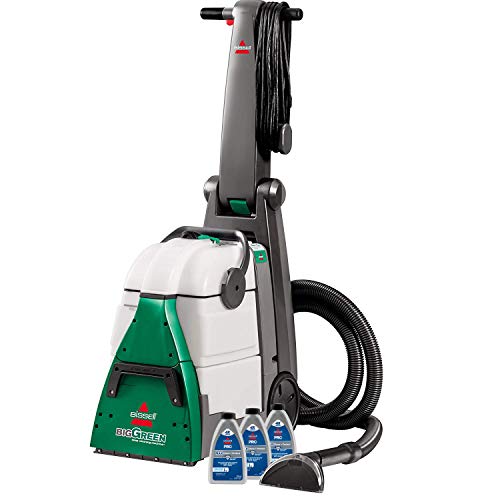
I recommend using a steam cleaner to deeply cleanse textiles like rugs and couches. This method utilizes high-temperature steam to break down lingering odors, making it highly effective. Be sure to choose a steam cleaner equipped with an upholstery attachment.
Before starting, vacuum thoroughly to remove debris that could hinder the process. Fill the machine’s water tank with clean water, and if available, add a small amount of suitable cleaning solution designed for steamers. Always follow the manufacturer’s instructions for best results.
Begin steaming from one corner and work systematically towards the exit, ensuring every section is addressed. Utilize slow and steady movements to allow the steam to penetrate the fabric adequately. For particularly stubborn areas, go over them multiple times.
After steaming, allow the materials to dry completely. Ensure proper ventilation in the area to assist with faster drying, which will further help in eliminating any residual scents.
Consider repeating this process every few months or as needed to maintain freshness and cleanliness in your living spaces.
Ensure Proper Drying to Prevent Mold
I place a strong emphasis on thorough drying after cleaning to avoid mold development. First, I use fans to enhance airflow in the treated areas. Positioning them strategically can significantly speed up the process. Additionally, I open windows when weather permits, allowing fresh air to circulate.
For damp spots, I apply absorbent towels to soak up excess moisture, and I frequently replace them as they become saturated. If humidity levels are high indoors, I consider using a dehumidifier. This equipment helps maintain an optimal environment for drying and prevents mildew growth.
I also monitor the drying progress; ensuring carpets and upholstery are completely dry before returning items to their place or allowing pets back into those areas is crucial. Sometimes, I wait an extra day if I’m uncertain, as preventing mold is far more manageable than eradicating it later.
Maintain a Regular Cleaning Schedule
I recommend setting up a consistent cleaning routine. Establish specific days for thorough cleaning tasks to ensure lingering odors do not become a problem. Allocate time each week dedicated to treating fabrics and flooring. Maintaining this habit not only prevents buildup but also keeps the living area fresh.
Use the following table to plan your cleaning schedule:
| Task | Frequency |
|---|---|
| Vacuum carpets and upholstery | Weekly |
| Wash removable covers and fabrics | Bi-weekly |
| Deep clean carpets and rugs | Monthly |
| Apply deodorizing treatments | Every 2 weeks |
| Inspect and clean pet areas | Weekly |
A consistent approach makes it easier to tackle any issues before they escalate. Keep cleaning supplies easily accessible to help adhere to the schedule without getting overwhelmed. Regular maintenance is key to preserving a pleasant environment.