Caleb Turner

Mix equal parts of pure acetic acid and water in a spray bottle. This simple solution works wonders on persistent odors absorbed by materials. Ensure the area is well-ventilated during the process to enhance the effectiveness of the mixture and avoid overwhelming fragrances.
Lightly mist the textile surface with the solution, keeping the bottle at least six inches away. Allow it to penetrate for several minutes before blotting with a clean, dry cloth. Repeat this step as necessary, monitoring the results as you go.

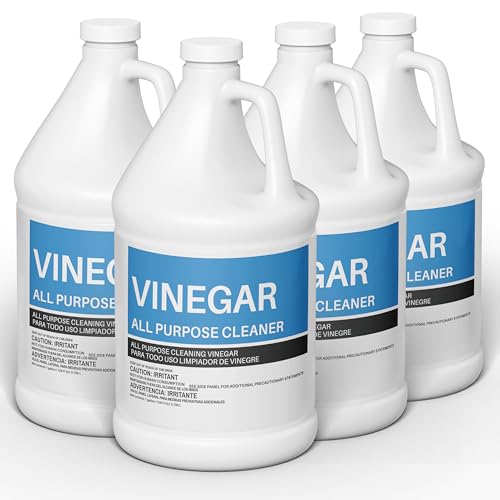

For particularly tough odors, consider soaking a cloth in the vinegar solution and placing it directly on the affected area. Cover it with plastic wrap to trap the moisture and let it sit for a few hours. This method intensifies the action of the acetic acid on the embedded scent.
After treatment, air out the space thoroughly. The natural scent of acetic acid will dissipate, taking with it the unwanted fragrances, leaving your upholstery refreshed and more pleasant.
Removing Odors from Upholstery with Vinegar
First, mix equal parts of water and distilled liquid in a spray bottle. Lightly mist the affected areas, ensuring not to oversaturate the material.
Next, gently scrub the surface using a soft cloth or sponge. This helps to lift the particles trapped in the fibers.
Afterward, allow the item to air dry completely. Place it outside or in a well-ventilated area if possible.
For persistent odors, repeat the process a few times. You can also consider using a bowl filled with the same liquid placed nearby to absorb lingering scents.
To enhance results, infuse the mixture with essential oils such as lavender or lemon. Just a few drops can provide a pleasant fragrance while tackling unwanted aromas.
Create a safe environment; ensure pets and children are kept away from treated areas until they are completely dry. Regularly cleaning and maintaining your upholstery will help prevent persistent odor issues in the future.
Understanding the Science Behind Vinegar Odor Removal
Acetic acid, the primary component in this natural remedy, disrupts odor molecules by neutralizing them. It penetrates porous surfaces like fabrics and wood, where unwanted aromas often linger. Spraying a solution of equal parts water and acetic acid onto surfaces allows for effective absorption, breaking down the compounds responsible for the offensive scent.
During the process, a chemical reaction occurs: acetic acid interacts with the alkaline substances found in many odor-causing compounds, altering their structure and preventing them from being recognized by the olfactory receptors. This reaction is swift and doesn’t require harsh chemicals, making it safer for both the environment and indoor air quality.
For persistent odors, saturating the affected area and allowing it to air dry enhances efficacy. The evaporation of acetic acid not only helps carry away odor particles but also leaves behind a fresher environment. Additionally, integrating baking soda can improve neutralization, as it reacts with acids and assists in further odor absorption.
Using heat in conjunction with this remedy can expedite the process, as increased temperature helps volatile compounds to evaporate more quickly. Applying warmth through gentle heating or sunlight can augment the overall effectiveness, providing a dual action in deodorizing both the air and the material. This method, combined with proper ventilation, ensures that any lingering scents are eliminated efficiently.
Choosing the Right Type of Vinegar for Furniture Care
White distilled variety is my go-to for tackling odors. It’s affordable and versatile, making it ideal for neutralizing unwanted fragrances. I often mix it with water in a 1:1 ratio for spritzing on surfaces, which helps avoid excess moisture that could damage wooden components.
Apple Cider Vinegar Benefits
Apple cider version offers a pleasant fragrance alongside its odor-fighting properties. This type works particularly well with fabric-covered items. I usually apply it in a diluted form to soft surfaces, allowing the natural scent to mingle with the air while neutralizing any lingering aromas.
Alternative Options: Malt and Balsamic Vinegars
Malt vinegar may surprise you with its usefulness in tackling strong odors, although its scent can be a bit potent initially. Balsamic, while less common, can also work if properly diluted. I recommend testing these options in small areas to ensure compatibility with your materials.
Preparing Your Furniture for Cleaning
Remove all items from surfaces before starting. This includes decorations, books, and any personal belongings. Clearing your space allows better access and avoids potential damage to your valuables during the process.
Inspecting the Material
Check the type of material before applying any cleaning solution. Different textiles and finishes may react differently to treatments. If unsure, perform a spot test on an inconspicuous area to confirm that the material can withstand the cleaning method.
Gathering Supplies
Collect all necessary tools and products. This includes soft cloths or sponges, gloves, and the chosen cleaning solution. Keep everything within reach to streamline the process and maintain focus.
Mixing Vinegar Solutions for Optimal Results
For best results in eliminating persistent odors, combine different types of acidic liquids. A simple formula that I often use involves a mixture of white distilled and apple cider fluids. For every cup of distilled liquid, add half a cup of apple cider. This combination provides a more balanced approach to neutralizing unwanted scents.
Consider the ratio of solution components while preparing the mixture. Too much of one type may diminish the effectiveness of the blend. Usually, a 2:1 ratio of distilled to apple cider works well but feel free to adjust according to personal preferences.
| Ratio | Distilled Liquid (cups) | Cider Liquid (cups) |
|---|---|---|
| 1:1 | 1 | 1 |
| 2:1 | 2 | 1 |
| 3:1 | 3 | 1 |
Add a few drops of essential oil to enhance fragrance. Lemon or lavender are excellent choices that not only mask the odor but also leave a pleasant aroma. Always test on a small area to ensure that it does not damage the surface.
Apply the solution with a soft cloth or spray bottle, allowing it to penetrate for several minutes before wiping away with clean water. This method aids in breaking down odor molecules effectively.
Store any remaining mixture in a sealed container to preserve its efficacy for future use. Make sure to date the mixture, as its potency may diminish over time.
Applying Vinegar to Different Furniture Materials
For upholstered pieces, mix equal parts of water and apple cider solution in a spray bottle. Lightly mist the fabric, ensuring not to soak it. Allow it to air dry entirely.
- Wood: Combine one part water with one part white solution. Dampen a microfiber cloth and gently wipe surfaces. Buff with a dry cloth for shine.
- Leather: Use a diluted apple cider solution, mixing one part water with half the amount of vinegar. Dampen a cloth, wipe the leather, and dry it thoroughly with another cloth to prevent damage.
- Metal: For metal surfaces, a 1:1 mixture can be applied. Use a cloth to clean, then rinse with water and dry promptly to avoid tarnishing.
- Glass: A combination of equal parts of water and white product works well. Spray on the glass, then wipe with a lint-free cloth for a streak-free finish.
Testing a small, inconspicuous area first is wise, ensuring no adverse reactions. This approach tailors the method to each material’s unique requirements while preserving its integrity.
Using Vinegar in Combination with Other Odor Neutralizers
Mixing alternative agents with liquid acid can enhance odor removal. Combining equal parts of this acidic solution with baking soda creates a powerful mixture that neutralizes unwanted fragrances effectively. Sprinkle the baking soda on surfaces and lightly mist with the acidic solution, allowing it to fizz. This reaction not only tackles unwanted scents but also helps lift dirt.
Essential Oil Integration
Incorporating essential oils into the acidic cleaner offers a pleasant fragrance while combating stale odors. A few drops of oils such as lavender or lemon can transform the experience. Experiment with various concentrations to find the right balance of scent and cleaning power.
Using Activated Charcoal
Employing activated charcoal in conjunction with the acidic solution can absorb unwanted particles. Place bowls of activated charcoal near the item or around the space. Alternatively, create small sachets filled with charcoal and hang them near the affected areas for continuous odor absorption.
| Combination | Effectiveness | Usage Tips |
|---|---|---|
| Acidic solution & Baking Soda | High | Apply immediately after mixing for best results. |
| Acidic solution & Essential Oils | Medium | Test on a small area first to avoid staining. |
| Acidic solution & Activated Charcoal | High | Let sit for several hours, or overnight for optimal absorption. |
By incorporating these methods, I find it easier to achieve a fresher space, effectively targeting and neutralizing persistent scents while enjoying a more pleasant atmosphere.
Timing: How Long to Let Vinegar Sit on Furniture
For optimal results, I typically allow the solution to settle on surfaces for at least 15 to 30 minutes. This timeframe maximizes the compound’s ability to neutralize odors effectively. However, depending on the intensity of the odor, I might extend this period to up to an hour.
Material Considerations
For delicate or porous materials, like upholstery or certain woods, I recommend sticking closer to the lower end of the timing spectrum–around 15 to 20 minutes. This approach minimizes potential damage while still providing noticeable results. In contrast, on sturdier surfaces, a longer duration can enhance deodorization.
Environmental Factors
Humidity and temperature play significant roles in the efficacy of the treatment. In warmer conditions, I find that allowing the combination to linger longer can yield better outcomes. Conversely, in cooler, more humid environments, I keep an eye on surfaces to prevent excessive moisture absorption.
Ultimately, gauging the effectiveness by checking the odor level after the initial time can guide adjustments for future applications. This trial-and-error process often informs the best approach for each unique scenario.
Tips for Preventing Future Odors on Furniture
Regularly clean surfaces with mild soaps to reduce odor buildup. Wipe down your items weekly to remove dust and debris that can hold onto unpleasant scents.
Implement air purifiers or dehumidifiers in your space. These devices filter out particles and excess moisture, both of which contribute to lingering odors.
Incorporate natural extracts and essential oils into your cleaning routine. Scents like lavender, lemon, and eucalyptus not only provide fragrance but also have antimicrobial properties that help combat odors.
Consider using protective covers or slipcovers on upholstered items. These layers can be easily washed and will prevent stains and odors from penetrating the fabric.
Avoid smoking indoors and create designated areas outside for smoking activities. This drastically reduces the chances of odors seeping into your interior spaces.
Add indoor plants known for their air-purifying abilities. Species like peace lilies and spider plants are effective at improving indoor air quality and minimizing odors.
Store sensitive items properly by using airtight containers. This prevents unwanted scents from permeating stored materials, ensuring freshness over time.
Schedule regular professional cleaning for upholstered items and carpets. Deep cleaning not only refreshes but also ensures that any built-up odors are thoroughly addressed.
When to Seek Professional Help for Stubborn Odors
If persistent odors remain after a thorough cleaning, I suggest considering professional services.
Signs You Need Assistance
- Persistent odor even after multiple treatments with DIY solutions.
- Visible signs of damage or deterioration in materials that might require specialized care.
- A complex mix of odors from various sources complicating the removal process.
- Allergic reactions or sensitivities triggered by the lingering scent.
- Lack of time or ability to continue with DIY methods.
Benefits of Professional Services
- Access to advanced equipment for deeper cleaning.
- Expertise in identifying the source of stubborn odors.
- Specialized treatments that may not be available for home use.
- Comprehensive care that could prevent future issues.
Choosing to engage professionals may seem like an investment, but it can save time, effort, and ongoing frustration in the long run. Proper care tailored to your specific needs ensures a more pleasant environment.