Caleb Turner

For an immediate solution, I recommend using a mixture of vinegar and water. Combine equal parts white vinegar and water in a spray bottle, then lightly mist the surface. Wipe it down with a soft cloth. Vinegar helps neutralize unwanted aromas without damaging the wood.
Another effective method involves baking soda. Sprinkle it generously over the affected area and let it sit for several hours or overnight. Once absorbed, vacuum the residue. This natural deodorizer can significantly reduce lingering scents.
Consider using activated charcoal as well. Place bowls of activated charcoal around the area for a few days. This will absorb the unpleasant odor efficiently while leaving your space smelling fresh.
If the problem persists, a dedicated wood cleaner with odor-neutralizing properties can be employed. Follow the manufacturer’s instructions for best results, ensuring it is safe for your specific type of surface.
Assessing the Severity of the Cigarette Odor
Begin with a thorough inspection of the item, dedicating time to identify the intensity and extent of the scent. Note areas that might have absorbed more smoke–typically the surfaces closest to where smoking occurred. Gently rub a cloth on various sections to determine if the odor lingers strongly on some spots compared to others.


Next, consider the age of the piece. Older items may harbor deeper-set odors due to prolonged exposure. Pinpoint any discoloration or yellowing, as these visual signs often correlate with a more entrenched aroma.
Evaluate the material type, as porous surfaces tend to trap odors more than sealed finishes. If the structure features unfinished wood or minimal varnish, it likely holds the smell more substantially.
Finally, testing with a small, inconspicuous area can reveal how deeply the odor penetrates the material. Applying a mild solution or cleaner may help gauge whether the treatment will be effective without damaging the finish. This diagnostic step helps tailor future cleaning strategies to best address the situation you’re facing.
Choosing the Right Cleaning Solution for Wood
The key to effective restoration lies in selecting an appropriate cleaning agent. I prefer to use a mixture of white vinegar and water in equal parts, which naturally breaks down unwanted residues without harming the surface. For tougher residues, I consider a solution of mild dish soap diluted in warm water. Always test on a hidden area to ensure no damage occurs.
Naturally Derived Options
If opting for natural products, baking soda is a great choice. It acts as a gentle abrasive to lift particles while absorbing odors. I sprinkle it generously and leave it for several hours or overnight before wiping it clean.
Commercial Cleaners
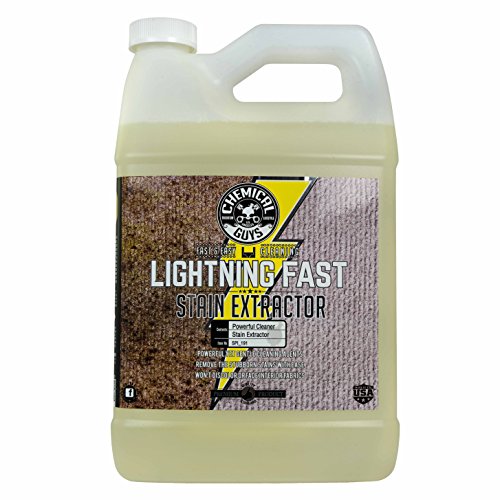
When seeking commercial solutions, look for products specifically formulated for wood maintenance. Always prioritize those labeled as non-toxic and suitable for the type of finish on your item. Avoid ammonia-based cleaners, as these can be harmful to wood finishes. Read reviews and compare ingredients to find the most effective option for your specific needs.
Preparing the Furniture for Odor Removal
Before I begin the cleaning process, I ensure the piece is completely clear of all items, including decorations and personal belongings.
Next, I check for any visible signs of dirt, dust, or damage. I gently dust the surface using a microfiber cloth to avoid scratching the finish. If there are any sticky residues, I dampen the cloth slightly with a gentle wood-safe cleaner and wipe those areas carefully.
I also pay attention to the corners and crevices, as these spots can harbor trapped odors. A soft brush or vacuum attachment can be useful for this part. Ensuring everything is clean makes the deodorizing process more efficient.
If the condition of the wood permits, I perform a surface test in a less visible area to ensure compatibility with the chosen cleaning method or solution. This precaution prevents any unexpected reactions that may affect the finish.
Finally, I make sure the area is well-ventilated. Opening windows or using fans helps promote airflow, which is crucial during the entire process.
Applying Vinegar and Water Solution to the Wood
I mix equal parts of white vinegar and water in a spray bottle. This combination is effective for neutralizing unwanted odors trapped in the surface of the material. Before application, I test the solution in an inconspicuous area to ensure it doesn’t affect the finish.
After confirming safety, I lightly spray the solution on a soft cloth rather than directly onto the surface. This prevents excessive moisture from seeping into the grain. I then gently wipe down the entire area, paying special attention to corners and crevices where residue tends to accumulate.
Drying and Airing Out
After cleaning, I allow the area to air dry completely. Good ventilation during this process aids in further dissipating any lingering odors. I often open windows or use fans to promote air circulation, which enhances the effectiveness of the vinegar mixture.
Reassessment
Once the surface is dry, I revisit the cleaned area to evaluate the outcome. If any faint odors persist, I may repeat the vinegar solution application or consider additional natural remedies, ensuring the environment remains fresh and inviting.
Using Baking Soda to Neutralize Odor
I recommend sprinkling baking soda generously on the surfaces you’re targeting. This natural odor absorber works wonders for lingering scents. It’s essential to allow it to sit for several hours, preferably overnight, to maximize its effectiveness.
After the resting period, carefully vacuum or wipe away the baking soda with a soft cloth. This removes not only the powder but also the trapped odors. For stubborn areas, repeat the application.
Here’s a simple method to enhance the results:
- Mix equal parts baking soda and water to create a paste for more focused application on stained spots.
- Apply the paste directly onto the affected areas and let it dry.
- Once dried, gently scrub off with a soft brush or cloth.
This combination allows for deeper penetration into the material, helping to neutralize more intense odors. Always test in an inconspicuous area first to ensure that the finish is not affected.
For continuous freshness, keep an open container of baking soda in the vicinity to absorb any residual odors over time.
Employing Essential Oils for Pleasant Scents
To effectively remove lingering odors, I apply a blend of essential oils. Choose oils known for their aromatic properties like lavender, lemon, or tea tree, which are not only fragrant but also possess antibacterial qualities. I mix approximately 10-15 drops of the selected oil with water in a spray bottle.
Lightly mist the solution onto the surface, ensuring it does not saturate the material. I allow it to air dry naturally to maximize fragrance infusion. This method infuses a refreshing scent while combating unpleasant aromas.
For persistent odors, I create a stronger concoction by adding a tablespoon of baking soda to the essential oil mixture. This combination enhances the deodorizing effect. When mixed, the oils create a pleasant atmosphere, effectively masking unwanted scents.
| Essential Oil | Properties |
|---|---|
| Lavender | Calming and antibacterial |
| Lemon | Refreshing and uplifting |
| Tea Tree | Antimicrobial and cleansing |
Regular application, every few days or weekly, maintains an inviting ambiance, ensuring the atmosphere remains pleasant long after the cleaning process.
Utilizing Activated Charcoal for Long-Term Odor Absorption
Activated charcoal serves as a potent agent for trapping persistent odors in various surfaces, including wood. I recommend placing small bowls or sachets filled with activated charcoal in proximity to the affected items. This approach allows the porous structure of the charcoal to adsorb unwanted particles and reduce lingering scents significantly.
Placement Strategy
Position bowls of activated charcoal strategically around the room, particularly near the source of the odor. Ensure they remain undisturbed for several days to facilitate maximum absorption. For optimal results, replace the charcoal every few months or when you notice a decrease in efficacy.
Combining with Other Techniques
For enhanced results, I suggest using activated charcoal in conjunction with previously discussed methods like vinegar or baking soda. By layering these techniques, I found that the combination effectively accelerates the neutralization process, leaving surfaces fresher and more inviting over time.
Sealing the Wood After Cleaning to Lock in Freshness
I recommend using a quality wood sealant once the cleaning process is complete. This step is crucial in preserving the freshness achieved. Select a sealant designed specifically for wooden surfaces, ensuring it is free of strong odors that could counteract the efforts made during cleaning.
Apply the sealant with a soft cloth or brush, following the manufacturer’s instructions. It’s essential to cover all surfaces evenly to create a protective barrier. Allow adequate drying time between coats if multiple applications are necessary.
After applying the sealant, let the furniture cure properly. This can take several days, depending on environmental conditions and the specific product used. During this period, avoid placing any items on the furniture to ensure optimal results.
Check for any remaining odors after sealing. If faint traces persist, consider using an additional layer of an absorbent material, such as activated charcoal, placed discreetly within or around the piece. This will further enhance the overall ambiance of the space.
Regular maintenance is also important. Dust the sealed area regularly and occasionally wipe it down with a mixture of water and a few drops of essential oil to keep the environment pleasant. This practice helps in maintaining the freshness over time while ensuring the beauty of the wood remains intact.
Maintaining a Smoke-Free Environment Around Furniture
I recommend implementing air purifiers with HEPA filters to continuously improve air quality. These devices can capture particles and odors associated with tobacco use effectively.
Regularly open windows and doors to allow fresh air circulation, which helps in diluting any lingering odors. Create a habit of ventilating spaces, especially after gatherings.
Use plants known for their air-purifying qualities, such as peace lilies or spider plants. These can naturally absorb harmful substances and enhance indoor air freshness.
It’s beneficial to establish strict no-smoking policies inside the home. Clear communication of these rules with family members or guests is key.
Consider placing odor absorbers, like bowls filled with white vinegar, baking soda, or activated charcoal, in areas around valuable items. These agents work silently to neutralize at the source.
Frequent cleaning of textiles, such as curtains and cushions, is essential. Washing them following care instructions ensures that trapped odors are eliminated.
Implement a routine for dusting and wiping down surfaces using solutions designed for the specific material of your assets. This removes any settled particles that may contribute to unwanted fragrances.
Lastly, maintaining a consistent cleaning schedule will help keep both the air and items around you fresh and free from undesirable scents long-term.