Caleb Turner
Rubber gloves serve as an excellent tool for loosening those stubborn fibers from your outdoor seating. Simply glide your gloved hands over the surface, and watch the strands clump together for easy removal.
A lint roller provides a quick fix for loose fur. A few passes across the cushions and chairs will collect most of the fluff in no time. For larger areas, consider using sticky tape wrapped around your hand to cover more surface area.
Another method involves a spray bottle filled with water. Lightly mist the cushions before wiping them down with a microfiber cloth. The moisture helps the strands cling together, allowing for a more efficient cleanup.


Using a vacuum cleaner with a brush attachment works wonders, especially for fabric surfaces. Ensure the vacuum settings are appropriate for your specific type of seating to avoid any damage.
Smoothing out the material gently with a rubber squeegee also aids in gathering those pesky fibers. The rubber creates friction, effectively lifting and collecting the strands without harming the fabric.
How to Remove Feline Fur from Outdoor Seating
Silicone gloves serve as a handy tool for gathering pet fibers from outdoor cushions. Simply wear the gloves and run your hands across the surface. The fibers will adhere to the gloves due to static electricity, allowing for easy collection and disposal. This method is quick and efficient for light to moderate amounts of fluff.
Sticky Rollers and Tape
Using a lint roller can be an excellent way to tackle stubborn strands on smooth surfaces. Roll it over the upholstery firmly to pick up unwanted materials. For crevices or tough-to-reach spots, double-sided tape works wonders, allowing for targeted cleaning in tight areas.
Vacuuming Techniques
A vacuum cleaner with a brush attachment is ideal for deep cleaning outdoor textiles. Adjust the suction power to avoid damaging delicate fabrics. Regularly cleaning the brush head will enhance its efficiency and ensure maximum fiber removal.
Choosing the Right Tools for Pet Hair Removal
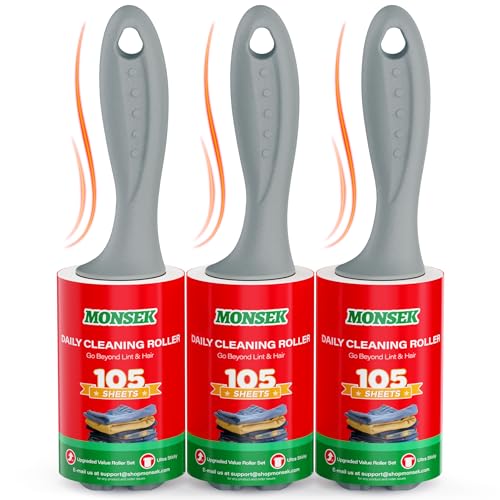
A lint roller is my go-to tool for quickly picking up unwanted fibers from outdoor seating. Its sticky sheets make it simple to remove allergens and pets’ strands with minimal effort. I carry one with me whenever I’m outside, especially during shedding seasons.
Vacuum Cleaners
A vacuum cleaner with a pet hair attachment significantly expedites the cleanup process on various surfaces. I prefer models with strong suction and specialized nozzles, as they can easily handle not only upholstery but also textured materials. Ensure the vacuum has a HEPA filter to trap allergens effectively.
Rubber Gloves
Using rubber gloves offers an alternative method that might surprise you. Dampen the gloves slightly and run your hands over the surface. The static electricity generated attracts fibers, causing them to clump together for effortless removal. This method works particularly well on cushions and fabric.
Using Lint Rollers and Sticky Sheets
Lint rollers are invaluable tools for maintaining a clean outdoor space. I keep one handy to swiftly tackle stray fibers. With a few quick swipes, they remove unwanted remnants with ease.
Application Tips
Start at one end of the seating and roll toward the opposite direction. This technique lifts particles effectively. Dispose of the used sheets immediately to prevent the strands from sticking back.
Alternatives and Enhancements
If a lint roller isn’t available, consider DIY sticky sheets made from tape. Wrap tape around your hand with the sticky side out, or multi-layer strips for larger surfaces. Both methods offer practical solutions for quick clean-ups.
Vacuuming Techniques for Outdoor Furniture
Begin with a vacuum cleaner equipped with a brush attachment. This tool efficiently picks up debris and clingy fibers from textured surfaces. Ensure the vacuum has adjustable suction to avoid damage to delicate materials.
Strategic Movements
Use slow, deliberate movements while vacuuming. Start at the top of the seating area and work your way down. This way, any particles dislodged by the vacuum will fall to lower sections, preventing oversights. For horizontal surfaces, vacuum back and forth to trap fibers effectively.
Edge and Crevice Technique
Utilize a crevice tool to reach into seams and around chair legs. These areas tend to collect more remnants. Be thorough; pass over each spot multiple times to capture all debris. Pay special attention to grips and corners which often retain more than flat surfaces.
After vacuuming, check for any stubborn bits still remaining. A quick follow-up with a lint roller can catch what the vacuum might have missed, ensuring a clean and inviting environment for relaxation.
Using Rubber Gloves to Attract Fur
To efficiently remove fur, I use standard rubber gloves. Their texture creates friction, effectively gathering loose fibers. Simply put them on and dampen them slightly with water. This increases their effectiveness in attracting the unwanted remnants.
With a sweeping motion, I run my hands over the surface of the chairs and tables. The moisture combined with the rubber allows the fur to cling to the gloves, making it easy to collect.
If the surface of the furniture is particularly extensive, I prefer to use both hands simultaneously, moving in different directions. This technique captures more debris, ensuring no spot is overlooked.
Afterward, I rinse the gloves to remove the accumulated strands, repeating the process as necessary. Storing the gloves in an accessible location means I can quickly tackle this task whenever needed.
Creating a DIY Pet Hair Removal Spray
I recommend making a simple pet hair removal spray using ingredients you likely already have at home. Combine equal parts of water and white vinegar in a spray bottle. This solution helps to loosen pet fibers from surfaces. The vinegar acts as a mild cleaning agent and can break down the static cling that keeps the strands stuck.
Ingredients
| Ingredient | Measurement |
|---|---|
| Water | 1 cup |
| White vinegar | 1 cup |
| Optional essential oil | 5-10 drops (for scent) |
After mixing the solution, shake well and lightly spray it onto the outdoor seating surfaces. Allow it to sit for a few minutes before wiping with a microfiber cloth or sponge. This approach not only helps in removing the fibers but also adds a refreshing scent if you choose to include essential oils such as lavender or lemon.
For particularly stubborn areas, consider using a straight edge or a soft brush after spraying to help lift the embedded strands. Regular application will keep those surfaces free from pesky remnants, making maintenance simpler.
Preventing Fur Build-Up on Outdoor Seating
Regular grooming of pets significantly minimizes the accumulation of fur on outdoor seating. Implementing a grooming routine twice a week works wonders.
Creating a Designated Grooming Spot
- Choose a location close to your outdoor area for ease of access.
- Use a slicker brush, comb, or de-shedding tool to efficiently remove loose strands.
- After grooming, collect fallen fur using a vacuum or lint roller to avoid it blowing into your outdoor space.
Utilizing Protective Covers
- Invest in high-quality seat covers specifically designed to repel fur.
- Wash covers regularly to keep them clean and fur-free, maintaining their protective qualities.
- Choose light-colored fabrics, making it easier to spot and remove any adhered fur.
Keeping your surroundings fur-free starts with proactive measures. Combining grooming practices with protective coverings ensures a more enjoyable outdoor experience.