
 Caleb Turner

To remove unappealing marks on your timber surfaces, my first recommendation is to utilize a blend of baking soda and water. Combine these two ingredients to create a paste. Gently rub this mixture onto the affected area using a soft cloth in a circular motion. Rinse with a clean, damp cloth and dry immediately.
If the marks persist, consider applying a few drops of olive oil mixed with vinegar directly to the blemish. This mixture not only helps in lifting the residue but also nourishes the material. Always test the solution on a inconspicuous area before proceeding.
For deeper discoloration, fine-grade steel wool can be effective. Lightly buff the area with the wool, ensuring not to apply excessive pressure. Following this, reapply your preferred finish or polish to restore the shine and protect the surface.
Removing Marks from Your Wooden Surfaces
I recommend using a mixture of baking soda and water for treating residues left by moisture. Combine one tablespoon of baking soda with a few drops of water to form a paste. Apply it to the affected area and gently rub with a soft cloth. Wipe clean with a damp cloth and dry thoroughly.

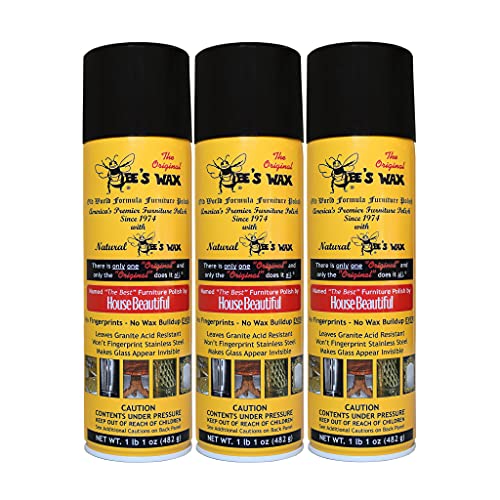

If the baking soda method is insufficient, consider using tooth polish. Apply a small amount of non-gel toothpaste to a soft cloth and gently polish the mark in circular motions. This can help to lift the blemish without damaging the finish.
An alternative approach involves the use of olive oil and vinegar. Mix equal parts of both ingredients, apply to the surface with a soft cloth, and buff until the marks disappear. This blend not only mitigates the blemishes but also nourishes the finish.
For deeper issues, a commercial product designed for removing blemishes might be necessary. Follow the manufacturer’s instructions and test on an inconspicuous area first to ensure compatibility with the finish.
| Method | Ingredients | Effectiveness |
|---|---|---|
| Baking Soda Paste | Baking soda, water | Moderate to High |
| Tooth Polish | Non-gel toothpaste | Moderate |
| Olive Oil & Vinegar | Olive oil, vinegar | High |
| Commercial Products | Varies | Variable |
Always ensure proper ventilation when using any products to maintain air quality and personal comfort. Regular maintenance can help prevent such issues from arising in the first place. A soft cloth for dusting and an occasional application of appropriate oil can prolong the beauty and integrity of your surfaces.
Identify the Cause of White Stains
I first assess the type of mark on the surface. If it’s a cloudy appearance, it typically indicates moisture trapped beneath a finish. This often arises from hot beverages or condensation from cups left unattended. For scratch-like patterns, the culprit might be a chemical or cleaner that reacted inappropriately with the protective layer.
Next, I check my care routine. Using oil-based products can sometimes contribute to these imperfections, particularly if they weren’t fully absorbed. I’ve found that certain waxes also leave behind a residue that can manifest as light patches.
Environmental Factors
Humidity plays a crucial role. In areas with fluctuating moisture levels, wooden pieces can absorb excess humidity, leading to these light marks. I recommend tracking these environmental changes in my home, as they might warrant adjustments in how I maintain the finish of my items.
Restoration Steps
Understanding these origins allows me to choose the appropriate remedy. For sealed surfaces, I might try gentle solvents, while for untreated areas, conditioning treatments can provide relief. Identifying the source of the issue is my first step toward successful resolution.
Choose the Right Cleaning Solution
Consider using a mixture of vinegar and olive oil for a natural approach. Combine equal parts of both liquids in a small bowl. Gently apply the mixture with a soft cloth in a circular motion.
- Red wine vinegar can serve as an alternative to regular vinegar, offering a less acidic solution.
- Mineral spirits are effective for more stubborn issues. Use cotton balls to apply and let sit briefly before buffing.
- Baking soda mixed with water results in a paste, which can aid in lifting residues. Apply it gently and wipe clean.
For quick maintenance, lemon juice mixed with a bit of oil works wonders, providing both cleaning and conditioning properties.
Test any solution on an inconspicuous area to avoid damage. This precaution helps determine the compatibility of the product with the surface.
Apply Heat to Remove Moisture Marks
Utilizing a heat source can effectively address moisture-related blemishes on surfaces. I recommend using a hairdryer set on a low heat setting. Keep it about 6 inches away from the affected area while moving it in circular motions to avoid overheating. This method gently evaporates trapped moisture, often lifting the marks without damaging the finish.
Alternatives to Hairdryers
If a hairdryer isn’t available, an iron can also be useful. Place a clean cloth over the discoloration and set the iron on a low setting with no steam. Press the iron onto the cloth for a few seconds, then check the progress. Gradually increase the time as needed, ensuring not to scorch the underlying surface.
Additional Precautions
Always test any method on a discreet area prior to full application. Different finishes react variably, and it’s crucial to ensure that your chosen technique won’t cause further damage. Patience is key, as numerous applications may be necessary for complete resolution.
Use Oil-based Products for Deep Stains
For persistent blemishes on surfaces, I recommend utilizing oil-based solutions. These products penetrate deeply into the fibers, helping to restore the natural sheen of the material.
I find that products such as Danish oil or mineral oil work exceptionally well. To apply, I take a soft cloth, saturate it with the oil, and gently rub it into the affected area in circular motions. This helps the oil to seep into the grain and diminish the visibility of the blemish.
After application, I allow the oil to sit for a few hours or overnight, depending on the severity of the discoloration. Then, I wipe off any excess oil with a clean cloth to avoid a greasy feel.
In cases of deeper seating marks that resist initial treatment, repeating the application may be necessary. Patience during this process is key, as it can take multiple tries for the oil to fully restore the luster.
As an alternative, mixing a small amount of vinegar with the oil can enhance its effectiveness. This blend can create a slightly abrasive yet gentle solution that further combats persistent discoloration.
Test a Small Area Before Full Application
I always recommend trying a small patch before applying any solution broadly. This step helps avoid unintended damage to the surface. Here’s how I approach testing:
- Choose a discreet spot that isn’t easily visible, such as the underside or the back of a drawer.
- Apply the cleaner or treatment with a soft cloth, using minimal product to start.
- Wait for a short period, approximately 10 to 15 minutes, to see how the wood reacts.
- Examine for any discoloration, changes in texture, or negative effects on the finish.
If everything looks fine, then I proceed to treat more prominent areas. If there’s an adverse reaction, I switch to an alternative solution. Always prioritize the preservation of the natural beauty of the surface.
Consider Different Solutions
Every surface can respond differently based on its finish and age. Here are some other methods to experiment with:
- Mix equal parts of vinegar and olive oil; test on a small area before a larger application.
- Try a commercial product specifically designed for restoration, following the same cautious application process.
- If using heat, like an iron, place a cloth in between to measure the effect carefully.
Through these small tests, I feel more confident in choosing the right approach for treating my items without causing harm.
Refinish the Affected Spot If Necessary
If the previously mentioned methods do not yield satisfactory results, refinishing may be the best course of action. This involves sanding the affected area to remove the damaged finish. Begin with fine-grit sandpaper to minimize further harm to the surface beneath.
After sanding, clean the area to remove dust and debris, then apply a matching stain or finish. Here’s a quick guide:
| Step | Details |
|---|---|
| 1. Sanding | Use fine-grit sandpaper (220 grit) for smooth removal. Sand in the direction of the grain. |
| 2. Cleaning | Wipe the area with a damp cloth to eliminate dust particles. |
| 3. Staining | Select a stain that closely resembles the original finish. Apply with a soft cloth, working carefully. |
| 4. Sealing | Consider applying a protective sealant once the stain is dry to guard against future damage. |
Let the refinished spot cure for several days, observing any changes. If the result meets expectations, apply a complete maintenance routine to keep the entire piece looking pristine.
Prevent Future Stains with Proper Care
Regular maintenance is key to preserving the look of your pieces. Start by applying a quality wax or sealant every few months. This creates a protective barrier against spills and moisture.
Use coasters for beverages and avoid placing hot items directly on surfaces. This simple step significantly reduces the risk of damage from heat and moisture.
After cleaning, always dry the surface thoroughly. Leaving moisture can lead to problems over time. Consider using a microfiber cloth to avoid any scratches during the drying process.
Control Environmental Factors
Humidity can cause issues for your belongings. Utilize a dehumidifier in damp areas to maintain a stable environment. Aim for a humidity level of around 40-50% for optimum preservation.
Regular Inspections
Conduct periodic checks for early signs of damage. If you notice any irregularities or wear, address them promptly to prevent further issues. Keeping a close eye on your pieces helps maintain their beauty and functionality for years to come.
Know When to Call a Professional
Assessing the situation is key. If initial attempts to restore the surface fail or if the damage appears extensive, enlisting an expert may be the best choice. A trained technician possesses specialized knowledge and tools that can effectively address complex issues.
Signs It’s Time to Call for Help
- Extensive discoloration covering a large area.
- Visible peeling, chipping, or cracking in the finish.
- Deep etching or gouging that alters the structure.
- The presence of mold or mildew, indicating moisture issues.
- Uncertainty about the appropriate restoration method.
Seeking professional assistance can save time and prevent further damage. Choosing an experienced technician ensures that your prized items receive careful treatment, maintaining their integrity and appearance for the long term.
Questions to Ask Before Hiring
- What is your experience with similar issues?
- Can you provide references or examples of previous work?
- What techniques or products do you recommend for this situation?
- What are the estimated costs involved in the restoration?
Gathering this information allows for an informed decision, helping to secure the best outcome for your valuable pieces.


