Caleb Turner
Begin with identifying the primary issue affecting your unit. If parts are loose or unstable, a simple tightening of screws or bolts often brings back stability. Use a screwdriver or wrench that fits the specifications of your hardware to ensure you don’t damage the components during this process.
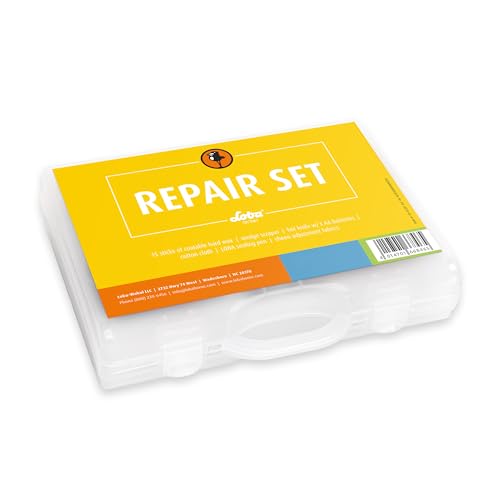
For surface scratches or dents, a touch-up pen or filler in a matching color can mask imperfections effectively. Apply with a steady hand and allow it to dry thoroughly before using the piece again. This method is particularly useful for laminate surfaces that are prone to scratches over time.
If stability is a concern, consider using corner braces or brackets, which can provide additional support. Ensure these are installed carefully and that the drilling doesn’t compromise the integrity of the material. If a leg or part has broken, dowels or wood glue can work wonders; just clamp the pieces together and allow them to cure as per the glue’s instructions.
Identifying the right solutions and employing systematic methods can revitalize your assembly, making it functional again. Make sure to assess your tools and materials before you begin. Precise execution ensures longevity in your repaired unit.
Identifying Common Issues in Sauder Furniture
The first step in addressing problems with assembled pieces is to check for misalignment. If components don’t fit snugly, I look for any loose screws or dowels and tighten them accordingly. Ensuring that all joints are adequately secured often resolves stability issues.


Creaking or squeaking noises during use can indicate insufficient lubrication or friction. Applying a bit of wood oil or silicone spray at the joints typically reduces these sounds significantly, enhancing the overall experience.
Corners or edges that appear chipped or damaged may require touch-up markers or wood filler for a seamless finish. Selecting the appropriate color to match the original hue makes the repairs almost invisible.
If surfaces become scratched, using a furniture scratch repair kit can restore the appearance. These kits usually include markers or wipes that are specially formulated to blend with the finish.
For wobbling items, adjusting the levelers at the base can provide better support. I check if the item is resting evenly on the floor, as uneven surfaces often create instability.
Lastly, peeling veneer is a common concern. I find that a small amount of contact cement or wood glue applied carefully can reattach any loose sections effectively. After applying, it’s crucial to press the area firmly for a few minutes to ensure a strong bond.
Tools Needed for Furniture Repairs
A reliable toolkit is key for addressing issues with pre-assembled units. First, gather a basic screwdriver set, including both flathead and Phillips screwdrivers, to tackle different screw types. For screws that are tight or stripped, a pair of pliers can help provide the required torque.
Next, a measuring tape is indispensable for ensuring accurate alignments when reassembling parts. A level will guarantee that surfaces are even, which can help prevent further misalignment in the future. Wood glue is useful for reinforcing connections with dowels or joints that may have loosened over time.
Additional Tools
A rubber mallet comes in handy for gently tapping pieces into place without causing damage. If you’re dealing with damaged surfaces, having a set of touch-up markers in matching colors will help conceal minor scratches and blemishes. Finally, a handheld vacuum is useful for cleaning the workspace before and after repairs, ensuring no debris interferes with the assembly.
Step-by-Step Guide to Repairing Drawers
Check the drawer’s alignment first. Pull it out completely and examine the slides. If the drawer is misaligned, loosen the screws on the glides, adjust to center, and re-tighten.
Fixing Sticking Drawers
Inspect for obstructions. Clear any debris trapped between the sides. Use a wax stick or paraffin to lubricate the slides, ensuring smoother movement.
Addressing Broken Drawer Bottoms
If the bottom is sagging or cracked, remove the drawer. Cut a new plywood piece to size and secure it with wood glue, reinforcing with small screws at the corners.
Repairing Loose or Wobbly Legs
For unstable legs, I often use wood glue or strong adhesive to secure joints. Apply a generous amount to the loose area, then clamp it for a few hours to ensure a solid bond. Once dry, check the stability.
Reinforcement Options
If the legs continue to wobble, consider adding corner brackets or metal braces for additional support. Locate the area where the leg connects to the main structure and position the bracket diagonally for maximum strength. Use screws that are appropriate for the material to ensure they hold securely.
Adjusting Height
For uneven surfaces, adjusting the height of the legs can help. Use felt pads or rubber bumpers under the shorter leg. This not only stabilizes but also protects flooring surfaces from scratches. I prefer adhesive felt pads for a simple solution that blends well with the legs.
Refinishing Scratched Surfaces
Begin by cleaning the scratched area with a damp cloth to remove any dust or debris. Allow the surface to dry completely before proceeding.
Using Touch-Up Markers
For small scratches, apply a furniture touch-up marker that matches your piece’s color. Carefully fill in the scratch by coloring over it, ensuring even coverage. Wipe off any excess with a soft cloth before it dries to prevent residue.
Applying Wood Filler
For deeper gouges, use a wood filler that closely matches the finish. With a putty knife, apply the filler into the scratch, pressing firmly to ensure it adheres. Allow it to dry as per the manufacturer’s instructions, then sand the area lightly with fine-grit sandpaper until smooth. To blend, use a matching stain or finish over the repaired spot until it matches the surrounding area.
Finally, for overall protection, consider applying a furniture polish or sealant to restore sheen and guard against future scratches.
Reassembling Furniture After Disassembly
Begin by organizing all the components in a clear space. Identify each piece based on your initial setup or any diagrams you may have taken during the disassembly. This approach greatly reduces confusion during reassembly.
Step-by-Step Instructions
- Gather all necessary hardware, such as screws, dowels, and brackets, ensuring each is in good condition.
- Examine the original assembly instructions. Familiarity with these steps streamlines the process.
- Start with the largest pieces. Secure them together using the appropriate fasteners. Hand-tighten to ensure alignment before fully tightening.
- Reinsert any dowels or connectors to stabilize the structure as you work. Ensure each piece fits snugly.
- Attach smaller elements, such as shelves or drawers, once the main structure is stable.
- Double-check each connection, making sure there are no loose parts. Tighten screws with a screwdriver for added security.
- Verify the alignment of doors and drawers, adjusting hinges or slides if necessary to ensure smooth operation.
Tips for Successful Reassembly
- Consider using a power drill with a clutch setting to avoid over-tightening screws.
- Having a second person can assist in holding larger pieces in place during assembly.
- Use a level to check the stability of the structure as it comes together, making adjustments as needed.
- Label components if you plan to disassemble again in the future – this will greatly ease reassembly later.
By following these structured steps and tips, you can ensure a seamless transition from disassembly back to a functional arrangement.