Caleb Turner

For optimal thermal retention in residential spaces, understanding the timeline of upper-level thermal barriers is crucial. The technology for enhancing energy efficiency in our homes traces back to innovations developed in the early 20th century. During the 1930s, key advancements were made with the introduction of cellulose and fiberglass materials that became the cornerstone of modern practices.
By the 1960s, the focus on energy conservation surged, particularly in response to energy crises. This period marked a significant shift in public and governmental attitudes toward improving the thermal performance of buildings. As a result, materials specifically designed for reducing heat transfer became widely adopted, laying the groundwork for contemporary standards.
Today, employing these barriers is vital not just for comfort but also for reducing energy bills and promoting sustainability. Selecting high-quality materials and ensuring proper installation remains essential for achieving the best results, thus enhancing the overall residential experience.


When Was Attic Thermal Barrier Developed
Understanding the timeline of thermal barriers for attics begins in the early 20th century. The use of materials designed to reduce heat loss started gaining traction in the 1920s and 1930s, primarily due to the energy crises and a growing awareness of home comfort.
By the 1960s, advancements in materials science led to a wider selection of options, enhancing thermal performance. Fiberglass, cellulose, and foam products emerged as popular choices, allowing homeowners to significantly lower heating costs.
During the 1970s, the energy crisis catalyzed a boom in insulation technology, prompting the development of more efficient materials. Regulations around energy conservation increased, pushing manufacturers to innovate and improve product availability.
In the 1990s and 2000s, environmentally friendly choices became prominent, with recycled materials and natural fibers gaining attention. This trend continued with a focus on sustainability and energy efficiency, shaping modern practices.
Today, various types of thermal barriers exist, offering options tailored to specific climates and construction methods. Homeowners must consider factors such as R-values, cost-effectiveness, and environmental impact when selecting appropriate materials.
- 1920s-1930s: Initial adoption of heat loss reduction techniques.
- 1960s: Emergence of fiberglass and cellulose as key materials.
- 1970s: Energy crisis drives innovation and regulation.
- 1990s-2000s: Rise in eco-friendly insulation materials.
By recognizing the evolution of these barriers, I can better inform choices that enhance energy efficiency and comfort in homes today.
The Origins of Insulation Materials
I’ve discovered that the roots of materials designed to prevent heat transfer can be traced back thousands of years. Ancient civilizations utilized natural substances like straw, animal skins, and clay to keep their living spaces warm. These early methods were rudimentary yet effective in maintaining comfortable temperatures.
The use of wool and cotton emerged in medieval Europe, particularly in homes and castles, where these fibers helped enhance thermal retention. During the 19th century, advancements in industrial production introduced new materials, including fiberglass and cellulose, which significantly improved performance and accessibility.
The mid-20th century marked a significant turning point. The introduction of synthetic materials created a boom in the insulation market, allowing for better energy conservation and fire resistance. Today, innovations continue, with eco-friendly options gaining popularity as awareness of environmental impacts escalates.
It’s crucial to understand these historical developments when choosing materials for thermal protection in modern constructions. Knowledge of past solutions informs present decisions, allowing for a blend of tradition and innovation in today’s energy-efficient practices.
Early Innovations in Roof Insulation
I’ve discovered that the first significant advancements in thermal barriers for attics occurred in the late 19th and early 20th centuries. These developments were driven by the urgent need for energy efficiency, especially in industrialized nations.
Materials and Techniques
One notable innovation arose with the introduction of cellulose products. Made from recycled paper, this option became popular for its sustainability and thermal properties. Additionally, mineral wool emerged as a key player, offering fire-resistant features alongside thermal regulation.
| Material | Benefits |
|---|---|
| Cellulose | Eco-friendly, effective heat retention |
| Mineral Wool | Fire-resistant, soundproofing qualities |
| Fiberglass | Cost-effective, wide availability |
Installation Methods
Improved techniques for implementing these barriers were crucial. Loose-fill options allowed for easier installation in hard-to-reach areas, while batts provided an efficient solution for standard spaces. The innovation of vapor barriers also played a role in moisture control, enhancing the overall efficacy of the systems.
Key Milestones in Insulation Development
Advancements in thermal barriers have evolved significantly through the decades, each phase marking a step forward in techniques and materials that improve energy efficiency in structures. In the late 19th century, the discovery and use of fibrous substances, such as cellulose and cotton, set a foundation for modern techniques.
Mid-20th Century Innovations
By the 1950s, fiberglass took center stage, offering a lightweight option that was easier to install and provided superior thermal properties. This material became widely adopted for residential applications, effectively enhancing energy conservation.
Recent Developments and Sustainable Alternatives
In the 21st century, emphasis on sustainability led to the development of eco-friendly options, such as sheep wool and recycled denim. These alternatives not only provide the necessary thermal resistance but also cater to a growing demand for environmentally responsible choices.
The future points toward continued innovation in materials, focusing on both performance and sustainability, reflecting an ongoing commitment to improving energy efficiency in construction practices.
Impact of Energy Crises on Insulation Usage
Rising energy prices have led to increased attention towards thermal barriers in residential and commercial properties. The oil crisis of the 1970s marked a significant shift in insulating practices, pushing homeowners to seek alternatives that improve energy efficiency.
During periods of high fuel costs, consumers explored various materials, promoting innovations in thermal barriers. Public awareness regarding the benefits of adequate barriers grew, resulting in incentives from governments aimed at reducing energy consumption. This trend has since influenced manufacturing practices, encouraging the use of eco-friendly materials.
In recent years, the urgency of climate change has further emphasized the necessity of robust thermal barriers. Economic downturns and energy crises serve as catalysts for more stringent building codes, mandating higher insulation standards in new constructions, thereby improving overall energy conservation.
Additionally, advancements in technology have enabled the development of highly efficient materials that require less space and provide superior thermal performance. These improvements attract consumers looking to minimize costs while maximizing comfort.
Looking towards the future, I recognize that as global energy prices fluctuate, so will the focus on efficient barriers. The continuous push for sustainability will likely lead to further innovations, solidifying the importance of these barriers in our energy landscape.
Evolution of Materials Used in Loft Insulation
My focus on this topic directs attention to the diverse substances leveraged for thermal protection over time. Initially, natural fibers such as straw and animal wool were prevalent, valued for their renewable properties. Their ability to trap air made them effective in maintaining thermal comfort.
Advancements in the mid-20th century saw the introduction of synthesized options such as fiberglass. This material emerged due to its superior heat retention capabilities and lightweight nature, quickly gaining popularity among builders and homeowners. Fiberglass’s resistance to moisture and pests added to its appeal.
Polystyrene foam joined the ranks as a notable alternative, offering even higher R-values and excellent moisture resistance. Its ease of installation became a key factor, allowing for efficient workflows on construction sites.
Further advancements brought polyurethane boards into the mix. These rigid panels provided impressive insulation performance and flexibility in applications, making them suitable for both residential and commercial spaces.
Throughout recent years, a shift towards sustainable materials has been evident. Products derived from recycled denim and cellulose have gained traction, appealing to eco-conscious consumers. These innovations not only reduce environmental impact but also maintain energy efficiency for homes.
The evolution of materials has significantly enhanced thermal management practices. As technology continues to advance, new substances are likely to emerge, further improving the effectiveness of heat retention strategies in buildings.
Historical Adoption Trends by Region
Adoption rates for thermal protection differ significantly across various geographical areas, shaped by economic, climatic, and regulatory factors. For instance, Europe led early usage, driven by energy shortages in the 1970s.
- Western Europe: The oil crisis of 1973 triggered widespread implementation, with countries like Germany and the UK mandating improved thermal attributes in homes by the 1980s.
- North America: During the late 20th century, states introduced incentives, resulting in increased uptake, particularly in colder regions like Canada and the northeastern US.
- Australia: Adoption began in the 1990s, focusing on energy efficiency programs promoting thermal barriers in response to high energy costs.
- Asia: Countries like Japan saw gradual implementation, influenced by modern building codes aimed at energy conservation, with significant growth noted since the 2000s.
In summary, regional differences reflect varying responses to energy demands and governmental policies, illustrating how local contexts shape the incorporation of energy-saving materials significantly.
Legislation and Standards Affecting Insulation
Compliance with local and national regulations is paramount for anyone involved in the installation of thermal barriers. Recent energy efficiency standards across multiple jurisdictions have mandated a minimum level of thermal performance, which in turn influences material choices and installation techniques. Builders must familiarize themselves with codes such as the International Energy Conservation Code (IECC) in the U.S. or the Building Regulations in the UK, which set specific requirements for thermal resistance.
Additionally, the European Union’s Energy Performance of Buildings Directive (EPBD) necessitates regular assessments and improvements in energy efficiency, reinforcing the need for effective thermal barriers in residential and commercial buildings. These regulations are not just bureaucratic; they play a crucial role in reducing energy consumption and greenhouse gas emissions.
Standards set by organizations like the American Society for Testing and Materials (ASTM) dictate criteria for materials, ensuring they meet specific performance metrics for safety and durability. Adhering to these standards can enhance the longevity and effectiveness of thermal barriers.
Incentives from various governments promote upgrades to energy-saving installations, further supporting compliance with regulations. Programs often offer financial rebates for utilizing high-performance materials that meet or exceed established benchmarks. Staying informed about these incentives can provide significant cost savings for homeowners and contractors alike.
Finally, the adoption of sustainable materials is increasingly gaining traction in legislation, with regulations encouraging the use of recycled or environmentally friendly products. Understanding this trend is crucial for industry professionals aiming to align with future-oriented practices.
Modern Advances and Technologies in Insulation
The use of cutting-edge materials and techniques can enhance thermal resistance substantially. Polyurethane foam has gained traction, providing high R-values with thinner profiles. I recommend considering spray foam applications for areas that demand precision and seamless coverage, minimizing thermal bridges.
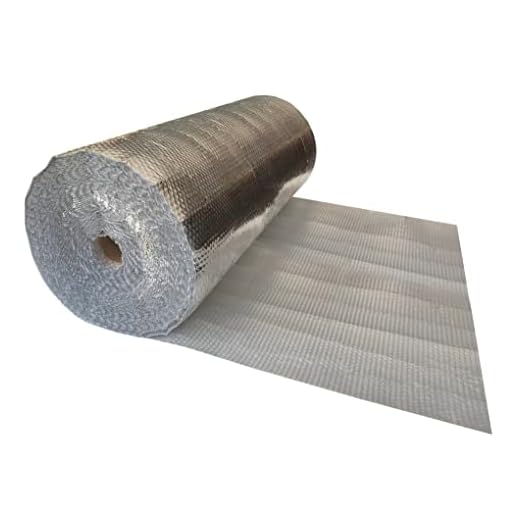
Reflective barriers represent another innovative approach. Installed in attics or against roofs, these barriers utilize radiant heat reflection, reducing cooling costs significantly in warm climates. For optimal performance, ensure proper installation with no gaps or folds.
Smart technologies in temperature regulation have also emerged. Intelligent insulation systems equipped with sensors can adjust their properties based on external conditions. Integrating these systems into building management can lead to long-term energy savings and enhanced comfort levels.
Recycled and eco-friendly materials are becoming more mainstream. Cellulose made from reclaimed paper offers a sustainable solution, while still providing competitive thermal performance. I suggest researching local suppliers of green products to promote sustainability in building projects.
Nanotechnology is further pushing the boundaries. Incorporating nanoparticles into traditional materials can improve insulation capabilities without increasing bulk. This avenue holds promise for future developments, allowing for thinner, lighter solutions that do not compromise on performance.
Lastly, it’s crucial to assess installation practices. Engaging skilled professionals ensures that all advancements in these materials are fully realized. Regular inspections can identify areas needing improvement, optimizing the benefits of modern thermal protection strategies.