Caleb Turner

I recommend using a mixture of warm water and mild soap to tackle the grime that accumulates on outdoor seating. A soft brush or sponge can help lift dirt without scratching the surface. For stubborn stains, a paste made from baking soda and water can be effective; simply apply it, let it sit for a few minutes, and then scrub gently before rinsing with clean water.
To prevent deterioration from sun exposure, applying a protective treatment designed for outdoor materials can significantly extend the life of your pieces. Choose a product suitable for the specific material of your seating–whether it’s resin, wood, or metal–for optimal results.
Seasonal maintenance involves inspecting for rust or wear and treating any issues promptly. Regular care not only maintains appearance but also safeguards against long-term damage, ensuring your relaxation spots remain inviting and functional.
Steps to Maintain Your Coastal Relaxation Essentials
I recommend beginning with a soft-bristle brush to remove any loose dirt or debris from the surfaces. Focus on crevices where grime may accumulate.


Consider a mixture of warm water and mild soap for deeper cleansing. Use a sponge to gently scrub the material, ensuring you don’t use abrasive tools that can cause damage.
- Opt for a solution with a neutral pH to avoid discoloration.
- For stubborn stains, create a paste with baking soda and water. Apply it directly to the affected area, let it sit briefly, and then rinse thoroughly.
After washing, rinse off with clean water to eliminate any soap residue. Follow this with a microfiber cloth to dry the surfaces, preventing water spots and streaks.
Regular maintenance involves quick checks for any signs of wear. If I notice scratches or chips, I use touch-up paint specific to the material for repairs.
- Store cushions in a dry area during inclement weather to preserve their quality.
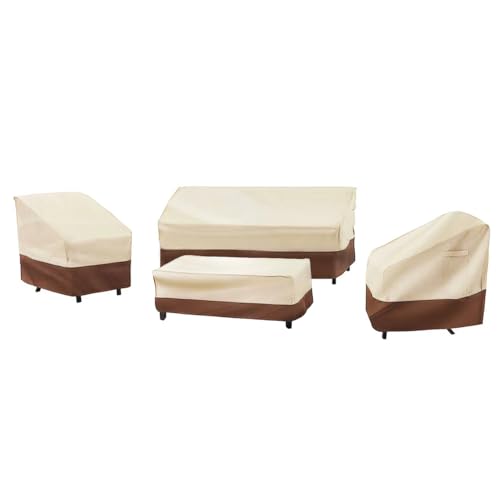
- Consider using covers when not in use to shield against elements.
I find that periodic inspection and care keep these pieces looking fresh and extend their lifespan significantly.
Choosing the Right Cleaning Products for Outdoor Furniture
Opt for non-toxic, biodegradable solutions to protect both the environment and your items. Avoid harsh chemicals that can damage surfaces and irritate skin.
- Soap and Water: A simple mixture of mild dish soap and warm water works well for routine maintenance. Rinse thoroughly to prevent residue.
- vinegar solution: Combine equal parts water and vinegar for a natural disinfectant. It tackles stains and odors effectively.
- Commercial Cleaners: If you prefer store-bought options, look for products specifically designed for outdoor settings. Check labels for compatibility with materials.
- UV Protectants: Apply these products to shield surfaces from sun damage. They help maintain color and integrity over time.
Conduct a patch test with any new product to verify compatibility before full application. Prioritize items without abrasive ingredients that may scratch or dull surfaces.
For stubborn stains, consider oxygen bleach, which is generally safer than chlorine alternatives. Follow manufacturer guidelines for dilution and application.
- Keep brushes and sponges soft to avoid scratching.”
- Rinse thoroughly after use to eliminate residue.”
Store your solutions safely away from children’s reach to prevent accidental ingestion.
Preparing Your Furniture for the Cleaning Process
Before tackling the maintenance of your outdoor pieces, ensure they are free from any debris. Start by removing cushions and accessories. Check for any loose components that may need securing. If your items are made of wood, inspect for signs of damage or wear, such as cracks or splintering. Addressing these issues beforehand can prevent further deterioration during the maintenance process.
If possible, relocate the items to a shaded area. Direct sunlight can cause cleaning solutions to dry too quickly, leaving streaks or residues. Additionally, this prevents overheating, which might damage materials like plastic or wicker. Lay down a drop cloth or tarp to protect the surrounding area during the cleaning steps.
Gather Necessary Tools
Prepare a bucket, soft-bristled brush, microfiber cloths, and a hose or pressure washer with a suitable setting. Keep all cleaning agents within reach, ensuring they are appropriate for your specific materials. This foresight will streamline the process and reduce the risk of missing any important steps.
Protect Surrounding Landscape
Prior to starting, take precautions to shield any nearby plants or grass from cleaning agents that may harm them. Using a tarp or cardboard can act as a barrier, ensuring that your maintenance routine doesn’t negatively impact the natural surroundings.
Removing Surface Dirt and Debris from Outdoor Seating
I recommend using a soft-bristle brush or a microfiber cloth to gently wipe away dust and grime from the surfaces. This method effectively prevents any scratches or damage while ensuring a thorough clean. For stubborn spots, a mixture of mild soap and water can be applied to the cloth for additional scrubbing power.
After removing the bulk of the debris, it’s beneficial to utilize a hose or a gentle spray nozzle to rinse off any remaining soap or dirt. This step helps to maintain the finish and prevents residue buildup. Be cautious with the water pressure; a gentle spray is sufficient without overwhelming delicate materials.
For wicker or textured finishes, a vacuum with a brush attachment can help dislodge trapped dirt. This reduces the risk of abrasion that could occur with harsher scrubbing methods. Following up with a damp cloth ensures a spotless appearance.
I find it helpful to check for any signs of mold or mildew regularly. In cases where growth is present, a mixture of equal parts vinegar and water can be applied, left to sit briefly, and then scrubbed gently. This approach removes unsightly spots without harmful chemicals.
After all visible debris is cleared, allowing the pieces to air dry in a shaded area minimizes the risk of water spots or damage from harsh sunlight. Regular maintenance not only simplifies this process but also prolongs the lifespan of your outdoor relaxation items.
Cleaning Different Materials: Wood, Wicker, and Metal
Wood surfaces require gentle treatment. I mix mild soap with warm water, using a soft cloth to wipe down the areas. For stubborn stains, a paste of baking soda and water can work wonders. After scrubbing, I rinse thoroughly with clean water and dry promptly to prevent warping.
Wicker is more delicate, needing special attention. I first use a soft brush or vacuum attachment to eliminate dust and debris. Then, I prepare a solution of mild detergent and water. Carefully, I wipe each strand, ensuring not to soak the material. For tough spots, a diluted vinegar mixture can help, followed by a rinse with a damp cloth.
Metal components offer different challenges. I begin with a mixture of soap and water, applying it with a sponge to avoid scratches. If rust presents itself, I use fine steel wool or a rust remover, ensuring to follow up with a protective coating once cleaned. Rinsing is key to removing any soap residue.
Handling Stains and Mildew on Outdoor Cushions
To tackle stains and mildew on outdoor cushions, I recommend starting with a mixture of warm water and mild detergent. Use a soft brush to gently scrub the affected areas. For tougher stains, consider adding a small amount of white vinegar to the solution, as it effectively breaks down grime and neutralizes mildew. Rinse thoroughly with a garden hose to ensure no soap remains.
Tackling Specific Stains
| Stain Type | Recommended Action |
|---|---|
| Food stains | Apply a paste of baking soda and water, let it sit for 15 minutes, then brush off and rinse. |
| Grease | Use dish soap directly on the spot, scrub gently, and rinse well. |
| Mildew | Mix equal parts of water and vinegar, spray on, let sit, then scrub and rinse. |
| Wine or juice | Blot with a clean cloth first, then treat with soap and water before rinsing. |
Preventing Future Issues
To reduce the likelihood of stains and mildew, always store cushions in a dry place when not in use. If you can, opt for cushions with mildew-resistant fabric. Regular maintenance, such as brushing off debris and addressing spills immediately, will keep your cushions looking fresh for longer.
How to Protect Your Furniture from Saltwater Damage
Coating surfaces with a marine-grade sealant creates a barrier against moisture and salt. I recommend applying this sealant annually, particularly before the summer season. This simple preventative measure significantly extends the lifespan of wooden and metal items.
Use Appropriate Covers
Using high-quality, breathable covers can prevent the accumulation of salt residue and moisture when your items are not in use. These covers should be moisture-wicking to avoid trapping humidity, which can lead to corrosion or rot.
Regular Maintenance and Inspection
I consistently check for signs of corrosion or deterioration. For metal components, applying a rust-inhibiting spray can prevent damage over time. For wooden surfaces, ensure that any scratches are promptly sealed to prevent exposure to saltwater. Regularly wiping down surfaces with fresh water eliminates salt deposits before they can cause damage.
Invest in quality materials known for their resistance to saltwater. While it may cost more upfront, it saves expenses on replacements or repairs in the long run.
Storing Your Furniture During Off-Season
Choose a dry, cool location for storage to prevent moisture buildup that can lead to deterioration.
Begin preparations by thoroughly inspecting each item for damage. Fix any issues before relocation.
In case of wooden structures, apply a protective polish or sealant. For synthetic materials, clean gently to remove any dirt or stains.
Consider disassembling larger items to save space. Keep screws and small parts in labeled bags for easy reassembly.
To protect against pests, use storage bins with airtight seals or cover items with breathable fabric rather than plastic, which can trap moisture.
Place wooden pieces on blocks or pallets to keep them off the ground and away from potential moisture.
- Label each item to streamline reassembly next season.
- Store cushions in a way that minimizes creasing; use vacuum bags if space allows.
- Rotate items during storage to avoid uneven pressure that can warp frames.
Regularly check on the stored pieces throughout the off-season to ensure they remain in optimal condition.
Maintaining Cleanliness to Extend the Lifespan of Your Furniture
Regular upkeep is key to prolonging the life of your outdoor seating and tables. I recommend creating a consistent schedule for maintenance, ideally every few weeks, to prevent the buildup of dirt and to keep materials looking fresh.
Routine Inspection
Before cleaning, I always inspect the pieces for any signs of wear or damage. Look for cracks in wood, rust on metal, or frayed cushions. Addressing these issues early can prevent them from worsening. For instance, wooden items can be treated with sealants to protect against moisture.
Protective Measures
Applying protective coatings can significantly enhance resilience against environmental factors. For wooden structures, a water-resistant finish helps guard against splintering and cracking. Metal components benefit from rust-resistant sprays, while UV protectants should be used on any fabrics to prevent fading. Additionally, using covers or storing items indoors during harsh weather conditions effectively minimizes exposure to the elements.
| Material | Protection | Recommended Frequency |
|---|---|---|
| Wood | Water-resistant finish | Every 6 months |
| Metal | Rust-resistant spray | Quarterly |
| Fabric | UV protectant | Before summer season |
By staying proactive with these routines and protective measures, I can ensure that my outdoor seating remains functional and appealing for years to come.