
 Caleb Turner

The unique characteristics of lofty fibers provide an exceptional texture and warmth, making them ideal for various knitted or crocheted projects. If you’re searching for materials that create pieces with a light, airy quality, consider using this innovative type of fiber. Its ability to trap air contributes to insulation, making garments not only stylish but also practical for cooler weather.
When selecting these fibers, pay attention to the twist and ply. A looser twist creates a fluffier experience, while tighter twists result in denser fabrics. Experimenting with different combinations can lead to distinct effects in your work. For unparalleled softness and drape, opt for blends that incorporate natural materials like wool or alpaca.
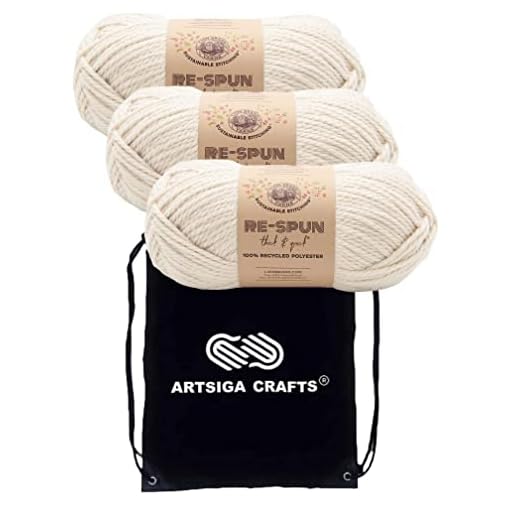
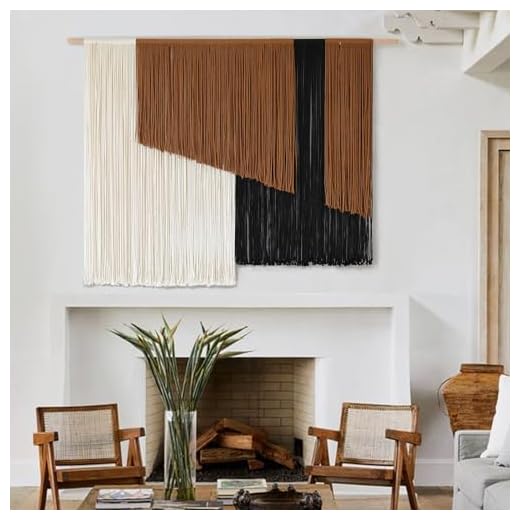

To achieve the best results, understanding gauge is key. These fluffy traits can sometimes lead to unexpected differences in density, so always take the time to swatch. This initial effort can save considerable frustration in the final outcome of your project. Adjustments may be necessary to ensure your final piece matches the intended dimensions and fit.
Understanding Lightweight Fiber Structures
I appreciate the unique characteristics of lightweight fiber constructions. These textiles are manufactured using a specialized technique that combines fine strands, creating a soft and airy fabric. This distinctive property not only enhances warmth but also contributes to breathability, making them suitable for various applications, from garments to home textiles.
Production Techniques
The process involves twisting fine filaments together, resulting in an intricate web that retains a high level of loftiness. During manufacturing, it’s crucial to select quality raw materials, as they directly influence the final texture and resilience. Opting for natural fibers like wool or cotton can enhance the performance attributes of the finished product, providing excellent thermal regulation.
Applications and Use Cases
These versatile strands find their place in numerous industries, including fashion and interior design. In clothing, they offer insulation without excessive bulk, making them ideal for lightweight outerwear and activewear. For home furnishings, the soft nature adds comfort to pillows and throws, elevating the aesthetic appeal. I recommend experimenting with blends to find the optimal balance between functionality and aesthetics.
Understanding the Characteristics of Spun Loft Fiber
I always appreciate the exceptional qualities of this unique textile. The structure is characterized by a fluffy, airy composition, offering remarkable thermal insulation while ensuring breathability. For garments meant to keep you warm without overheating, this material excels.
The textured surface enhances its ability to trap air, resulting in lightweight yet warm fabrics. I find this feature particularly desirable for layering in cooler conditions, as it provides warmth without adding bulk. Each strand seems to interact beautifully with others, creating a soft yet resilient fabric that maintains its shape over time.
Another notable characteristic is its ability to accept dyes well, resulting in rich, vibrant colors. I often choose this type of fiber for projects where visual appeal is just as crucial as functionality. The final product consistently showcases a rich depth of color, elevating the overall aesthetic.
The versatility doesn’t stop there. Fabrics made from this kind of material offer excellent stitch definition, making them ideal for intricate designs. Whether it’s delicate lacework or complex patterns, the clarity of stitches stands out nicely, adding to the overall charm of the finished piece.
Caring for these fibers is straightforward. I usually recommend gentle washing techniques to preserve the integrity and longevity of the fabric. Avoiding harsh detergents ensures that the texture remains inviting and soft, thereby enhancing the comfort of any garment made from it.
In my experience, sourcing quality strands from reputable suppliers guarantees a more satisfying end product. It’s worth investing in quality, as it often leads to a more enjoyable crafting experience and a durable final piece.
Comparing New Yarn to Traditional Threads
Choosing among threads goes beyond mere aesthetics. I recommend evaluating several key factors when comparing new materials to traditional ones.
Weight and Warmth
New threads offer a unique weight-to-warmth ratio. This characteristic allows for lightweight garments that still provide substantial insulation. In contrast, traditional fibers can often feel heavier while offering the same level of warmth.
Durability and Longevity
- New materials tend to have higher resilience against wear and tear. This makes them ideal for projects that require frequent use.
- Traditional threads may age differently, sometimes developing a rustic charm but losing structural integrity over time.
In my experience, fabrics made from innovative threads often maintain color saturation longer, while older fibers can fade with multiple washes.
Environmental Impact
- Modern options often incorporate sustainable practices in their production, making them an attractive choice for eco-conscious consumers.
- Many traditional options rely on processes that may not meet today’s sustainability standards, impacting their environmental footprint.
The shift towards sustainable materials has influenced my preference when selecting fibers for new creations, prioritizing not just quality but ethical sourcing.
Usability and Crafting Experience
- The handling of new threads can differ significantly; they may require different techniques or tools during crafting.
- Some traditional fibers are beloved for their ease of use and familiarity, which can be a deciding factor for many crafters.
Ultimately, my preference hinges on the specific project goals and the audience for the finished product. Each type has its merits and challenges.
Applications of Spun Loft Yarn in Textile Products
Utilizing lofted fibers opens up a range of innovative applications across various textile products. Below are key areas where these fibers are making significant contributions.
1. Insulation Materials
- These fibers are ideal for thermal insulation in jackets and outdoor gear.
- Used in blankets and sleeping bags for enhanced warmth without adding weight.
- Offers superior compressibility, making it easier to pack and store products.
2. Fashion and Apparel
- Incorporated into trendy garments for a modern aesthetic, providing a unique texture.
- Used in knitwear and accessories, adding a soft handfeel while maintaining durability.
- Adapts easily to various dyeing techniques, allowing for vibrant colors and patterns.
3. Home Textiles
- Ideal for decorative pillows and upholstery, offering a plush and inviting touch.
- Used in curtains and throws, enhancing the overall comfort and ambiance of living spaces.
4. Technical Textiles
- Employed in industrial applications, such as filtration systems and protective gear.
- Utilized in automotive interiors for lightweight and warm upholstery options.
These versatile fibers not only enhance functionality but also contribute to the aesthetic appeal of various textile products, making them a popular choice in today’s market.
Benefits of Using Spun Loft Yarn for Knitting and Crocheting
Choosing this unique fiber contributes to enhanced insulation in knitwear, making it ideal for cold weather garments. Its structure traps air efficiently, resulting in lightweight yet warm pieces.
The elasticity of this material allows for impressive stitch definition, which is crucial for intricate patterns. I find that my projects maintain their shape beautifully, minimizing the risk of sagging over time.
This type of fiber also offers exceptional softness, providing comfort against the skin. I have received numerous compliments on how cozy my creations feel, a quality that is particularly appreciated in garments worn close to the body.
Furthermore, the vibrant color retention enhances the visual appeal of finished items. Knitting with this fiber results in rich, dynamic hues that stand out, making my pieces truly eye-catching.
Easy maintenance is another significant advantage. Many blends are machine washable, saving time and effort in care. I value the convenience of being able to toss my creations into the washer without worrying about damage.
Lastly, the versatility of this material means it can be used in a variety of projects, from garments to home decor. I enjoy experimenting with different techniques, as the adaptability of this fiber allows for a broad range of creative expressions.
How to Choose the Right Spun Loft Yarn for Your Project
Consider the weight of the material first. For lightweight garments, opt for a finer selection, while heavier fabrics benefit from bulkier threads. Think about your project needs: Is it for accessories, garments, or home decor? Each serves different purposes and durability requirements.
Fiber Composition and Care
Analyze the fiber content. Natural fibers like wool offer warmth and elasticity, while synthetic blends provide resistance and easy care. Also, review washing instructions–some require gentle care, while others can withstand machine washing. This can impact your workflow depending on the frequency of use.
Color and Texture
Evaluate the palette available. If your design relies on particular hues, ensure the shades align with your vision. Pay attention to texture as well, since this affects the feel of the finished piece and can influence the drape. Look for samples to understand how the fiber behaves when worked with needles or hooks.
Caring for and Maintaining Projects Made with Spun Loft Yarn
For longevity, I recommend gentle handwashing. Fill a basin with lukewarm water and add a mild detergent. Submerge the item and allow it to soak for around 10–15 minutes, then gently squeeze out water without wringing or twisting.
Drying should be done flat to maintain its shape. Lay the project on a clean towel, reshaping if necessary, and keep it away from direct sunlight or heat sources. Hanging can distort the structure.
For storage, opt for breathable containers, avoiding plastic bags. Natural fibers benefit from airflow, reducing the risk of mold or insect damage.
If a project gets stained, act quickly. Blot the area instead of rubbing and use a stain remover suitable for delicate fabrics. Always test on a small, inconspicuous area first.
Regular maintenance is key: use a lint roller or soft brush to remove pilling or dust. This will preserve the appearance and texture over time.
| Maintenance Task | Frequency | Recommended Method |
|---|---|---|
| Washing | As needed | Hand wash with mild detergent |
| Drying | After washing | Lay flat on a towel |
| Storage | Seasonally | Use breathable containers |
| Stain removal | As needed | Blot with suitable stain remover |
| Pilling removal | Regularly | Use a lint roller or soft brush |


