Caleb Turner
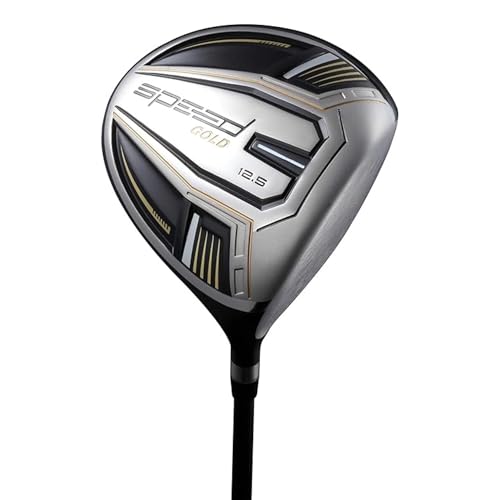
Adjusting the angle of a club head can significantly influence ball trajectory and distance. By raising the angle, I often notice a higher launch, which can be advantageous for optimizing carry distance, especially for golfers with slower swing speeds.
When I increase this characteristic, it can help achieve a more forgiving experience on off-center hits. A higher angle tends to provide additional lift, allowing the ball to travel farther with less effort. This is particularly useful for players who struggle with achieving the ideal trajectory.
Furthermore, experimenting with different angles allows me to fine-tune my setup according to course conditions or personal preferences. By finding the right balance between power and control, I can enhance my overall performance on the green.
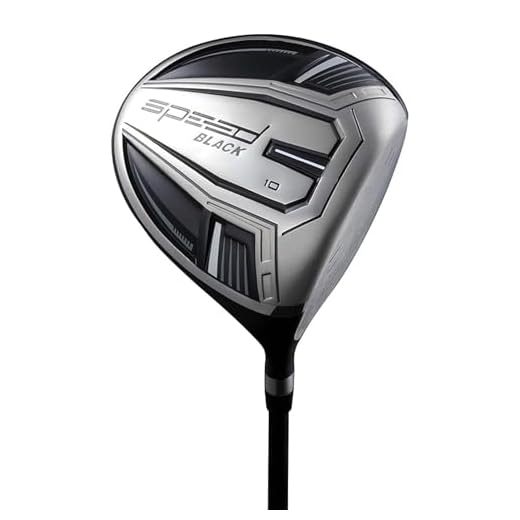


Impact of Increased Loft on a Golf Club
Raising the angle on a clubface can significantly enhance ball trajectory. I find greater loft creates a higher launch, which is beneficial for achieving optimal distance and carry, especially in varying conditions.
Benefits of Elevated Launch Angles
With a more pronounced angle, the likelihood of getting the ball airborne increases, reducing the chances of low trajectories that can lead to unwanted rolls. I’ve experienced that this adjustment can assist in minimizing the effects of wind, making it easier to maintain shot integrity.
Effect on Spin Rate
In my practice, I noticed that greater angles result in increased backspin. This helps maintain better control when approaching the green. Adjusting the angle not only affects distance but also enhances stopping power on the greens, providing a strategic advantage during play.
Overall, modifying the clubface angle can have profound effects on performance, contributing to improved accuracy and distance. Personalizing this aspect based on my swing characteristics has allowed me to maximize my potential on the course.
Understanding Loft and Its Impact on Launch Angle
Increasing the angle of the clubface can significantly affect how the ball rises off the ground. A higher angle typically leads to a greater launch trajectory, enhancing the initial ascent, which is particularly beneficial for those struggling with achieving optimal height. By adjusting this parameter, I can tailor my shot shape and carry distance to fit my style of play.
Impact on Ball Flight
With a more pronounced angle on the clubface, I’ve noticed a tendency for the ball to ascend more steeply. This adjustment can be crucial for maximizing distance, particularly on courses where elevation changes matter. For players with slower swing speeds, a generous angle can aid in lifting the ball effectively, translating to an increase in distance.
Spin Rates and Distance
A higher angle can influence the spin rates as well. By altering the backspin, I’m able to create a more controlled flight pattern, helping me maintain better stability in windy conditions. This also allows me to manage the descent angle, leading to a softer landing, making it easier to hold greens during play. Consequently, this can enhance my overall scoring potential by improving accuracy and approach shots.
How Loft Affects Ball Trajectory and Distance
For optimal ball trajectory and distance, adjust the angle of the face on your club. A higher angle typically promotes a steeper launch, which can lead to increased height and a more pronounced arc. This can assist in achieving greater carry, especially useful on softer ground conditions.
When increasing the face angle, one can expect:
- A higher launch angle, benefiting players who struggle with consistent height.
- Improved backspin rates, which helps in controlling the ball’s descent and improving stopping power on greens.
- A reduction in roll after landing, making it easier to maintain precision on approach shots.
Conversely, decreasing the face angle leads to:
- Flatter trajectories, often suitable for windy conditions where penetrating ball flight is advantageous.
- Potential for longer rolls post-impact, valuable on firmer ground surfaces to maximize distance.
- Less backspin, reducing the likelihood of ballooning shots.
Experimenting with settings allows me to tailor my equipment to fit personal swing characteristics, maximizing performance outcomes. Understanding how the angle affects each player’s swing dynamics is fundamental in fine-tuning approach and achieving desired results on the course.
Evaluating the Relationship Between Loft and Spin Rate
Increasing the angle on a golf club can significantly influence spin rate, which is a key factor in controlling both distance and accuracy. Higher angles typically lead to an increase in backspin, which can enhance the ball’s stopping power on greens but may also reduce overall distance if not optimized correctly.
Optimal Spin Rates for Different Playing Styles
Balancing spin rate involves understanding how different angles interact with swing mechanics. Players with faster swing speeds often benefit from lower spin rates to achieve maximum distance. Conversely, those with slower swings may require higher spin to maintain control and achieve appropriate trajectory.
| Swing Speed (mph) | Recommended Spin Rate (RPM) | Angle Recommendation (degrees) |
|---|---|---|
| 95-105 | 2500-3000 | 8-10 |
| 85-95 | 3000-3500 | 10-12 |
| Below 85 | 3500+ | 12-14 |
Impact on Performance and Distance
Experimentation with the club’s angle can provide insights into an individual’s performance. Players should assess their launch monitor data to find the ideal combination of angle and spin rate that maximizes their ball speed and carries distance. A decrease in spin can often lead to improved distance for certain swing speeds, while maintaining the right angle can aid in achieving two key elements: control and consistency.
Finding the Right Loft for Your Swing Speed
For optimal performance, it’s crucial to align the angle of the clubface with your swing speed. Players with faster swing speeds, generally over 100 mph, tend to achieve better results with lower angles, around 9 to 10 degrees. This configuration helps to maintain control and stabilize the ball’s trajectory.
In contrast, those with slower swing speeds, typically below 90 mph, benefit from higher angles, often in the range of 11 to 13 degrees. Increased elevation promotes a higher launch, enhancing carry distance while reducing the likelihood of an undesired lower flight path.
Specific Recommendations
For swing speeds between 90 and 105 mph, a 10.5-degree setting often strikes a balanced approach. Experimenting within half-degree increments can help identify the most effective adjustment. A launch monitor provides valuable data, revealing the ideal angle for optimal launch and spin rates.
Consider also the type of golf ball used; those with lower compression may perform better with higher elevations due to their inherent characteristics. Occasionally, working with a fitting professional helps refine selections based on personal swing characteristics and playing style.
Testing and Adjustment
Engaging in regular assessments on the driving range can yield insights into how your trajectory adjusts with different face angles. Keep in mind that conditions such as altitude and wind can also influence distance and performance. Thus, maintaining flexibility with equipment settings allows for better adaptation to varying situations encountered during play.
Ultimately, determining the right angle relies on a combination of your swing speed, play style, and environmental factors. Proper alignment of these elements leads to more consistent and favorable outcomes on the course.
Loft Adjustments for Different Playing Conditions
For varying environmental situations, tweaking the angle of the clubface can significantly influence performance. In wetter conditions or on softer turf, increasing the face angle tends to promote a higher launch with softer landings, allowing for better control.
On the flip side, during dry and firm scenarios, reducing the angle can help achieve a lower launch, enhancing roll after landing. This adjustment is particularly beneficial on links courses where hard ground can lead to extra distance if the ball rolls out.
High Wind Scenarios
When facing strong winds, consider lowering the angle to minimize ballooning effects. A flatter trajectory can cut through gusts more effectively, maintaining distance and accuracy. Conversely, for tailwinds, a higher angle might capitalize on the wind’s assistance, maximizing carry.
Altitude Considerations
In elevated regions, consider increasing the angle marginally to counteract lower air density. This can aid in maintaining appropriate spin and control, ensuring that the ball does not drift excessively. Adjusting the angle in these conditions plays a key role in flight stability.
Testing Loft Adjustments on the Course
I recommend making changes to your equipment during a practice round or a time when you can fully focus on your performance. Select a specific hole or course where you can consistently hit a large number of shots without distraction. Use a launch monitor if available to track metrics such as launch angle, distance, and spin rate for each shot.
Shot Variability and Consistency
Begin with your current setup and take a few test swings to establish a baseline. After recording these initial shots, incrementally increase or decrease the angle, hitting multiple shots at each setting. Aim for at least ten swings per adjustment to gather a more comprehensive set of data. Pay attention to how each change feels in your swing and jot down any observations regarding distance and flight characteristics.
Performance Evaluation
Analyze the results in terms of both numerical data and personal feedback. Look for trends in how changes impact trajectory and landing distance. Assess whether certain adjustments yield more consistent distances or improved accuracy towards your target area. Consider your normal playing conditions–this feedback will help determine the optimal setup tailored to how you play in various weather or terrain scenarios.
Common Misconceptions About Driver Loft
Many golfers believe that higher angles lead to more distance. In reality, the relationship between trajectory and distance is not that straightforward. Efficiency, not just elevation, dictates how far the ball travels.
A frequent assumption is that a steeper angle always results in increased control. However, this notion overlooks the importance of swing dynamics. A player’s swing speed and path have a significant impact on results.
- Higher Angle Equals More Spin: While a greater angle can lead to increased spin, it’s not guaranteed. Some players achieve lower spin with higher elevations depending on their swing characteristics.
- All Players Benefit from More Elevation: Not everyone requires higher angles. Players with fast swing speeds may find lower angles yield optimal performance, avoiding ballooning shots.
- Low Angles Sabotage Distance: Some maintain that lower angles hinder distance. However, a combination of launch angle and spin can produce impressive results, even with traditional low settings.
Another misconception involves equipment versatility. Many think that adjusting for a steeper angle will suit every condition. The truth is specific situations demand different approaches; understanding personal swing traits is key.
- Evaluate individual swing speed.
- Test various angles under controlled conditions.
- Monitor results to identify trends.
Understanding that assumptions about angles can lead to poor choices is crucial. Customizing settings based on personal strengths rather than generic beliefs is essential for maximizing performance.
Comparing Adjustable Loft Features in Drivers
Switching between different angle settings can lead to noticeable changes in shot performance. Adjustable hosels allow a player to modify the attack angle, impacting both trajectory and spin characteristics. This flexibility caters to varied swing patterns, improving overall consistency.
Customization Options
Many modern clubs offer multiple loft settings, typically ranging from 8 to 12 degrees. Each setting can alter not only the launch angle but also how the face interacts with the ball at impact. Testing these different configurations on the range helps identify the perfect fit for individual needs.
Impact on Performance
Tweaking the press angle can fine-tune distance and accuracy. Lower settings generally promote a lower, more penetrating flight suitable for experienced players seeking distance, while higher settings can aid in generating more lift for those with slower swing speeds. Regular assessment of these adjustments based on changing conditions can enhance overall performance on the course.
Real-World Examples of Loft Changes and Player Performance
After adjusting the incline of my clubhead, I noticed a notable enhancement in my total distance. For instance, increasing the angle from 9 degrees to 10.5 degrees resulted in a higher launch angle. This change lifted my average drive from around 250 yards to 265 yards, as measured over multiple rounds.
Players may experience different outcomes based on swing speed. I’ve seen high-speed hitters like my friend, who swings at 115 mph, achieve optimal results with a lower degree. With a 7.5-degree setup, he maintained a penetrating trajectory while keeping spin rates manageable, allowing for impressive roll after landing.
A common adjustment I’ve made involves contrasting wet conditions versus dry fairways. On wetter ground, elevating the incline improved trajectory, helping the ball clear obstacles and resulting in softer landings. In dry conditions, I reverted to a flatter angle to capitalize on roll, maximizing distance.
Through testing, I’ve observed amateurs often struggle with misconceptions around increasing their ball height. One round, I tweaked my setting, raising it by a full degree for one player. His immediate feedback highlighted a better trajectory, leading him to consistently carry the ball further, often clearing 200 yards with greater ease.
Moreover, utilizing technology like launch monitors can provide clarity on performance changes. I analyzed the results from different set angles, noting a drop in spin rates as I raised the club’s angle. This allowed me to identify the sweet spot where added launch and reduced spin blended perfectly for optimal distance.
Finally, during my recent games, I found players experimenting with adjustable features on their equipment. One player switched from a 10-degree to a 12-degree setting mid-round, and his results were astonishing. He managed to hit more fairways and increased his overall confidence after noticing a significant improvement in accuracy.
FAQ:
What is loft in a golf driver?
Loft refers to the angle of the clubface in relation to the vertical plane. In a golf driver, loft is crucial because it influences the trajectory of the ball when struck. A higher lofted driver will hit the ball higher into the air, while a lower lofted driver will produce a flatter shot. Typically, drivers have lofts that range from around 8 to 12 degrees, and this selection can affect various aspects of performance.
How does increasing loft affect my drive distance?
Increasing the loft on your driver can affect the distance the ball travels in several ways. Generally, a higher loft can help increase the launch angle, which may lead to a higher flight path and longer carry distance, especially for golfers with slower swing speeds. However, there can be a trade-off; too much loft can reduce the distance if the ball does not punch through the air effectively. Therefore, it’s important to find the right loft that fits your swing style and speed for optimal distance.
Does adding loft to a driver help with accuracy?
Adding loft to a driver can enhance accuracy for some golfers, particularly those who struggle with slicing or hooking the ball. Increased loft can promote a more straight trajectory and help to create a higher launch, which can lead to better control. A higher ball flight also allows the ball to land softer on the green, which might be advantageous for approach shots. However, the actual impact on accuracy can vary based on individual swing characteristics and personal preferences.
What types of golfers would benefit from using a higher lofted driver?
Golfers with slower swing speeds or those who consistently hit the ball low may benefit greatly from a higher lofted driver. It can help those players achieve a more forgiving launch angle, maximizing their distance and control. Additionally, beginners or those who have difficulty getting the ball airborne can find a high loft driver beneficial in developing better ball flight habits. Custom fitting can help identify the right loft for any player’s unique needs.
Can I adjust the loft on my driver?
Many modern drivers come with adjustable loft settings, allowing golfers to customize their equipment according to their preferences and performance needs. This adjustability typically involves a mechanism in the clubhead that enables players to change the loft by a degree or two. However, it’s advisable to consult with a professional fitter to ensure you’re making effective changes that suit your game. Adjusting loft can help fine-tune your launch angle and spin rate, thereby optimizing your performance on the course.