
 Caleb Turner
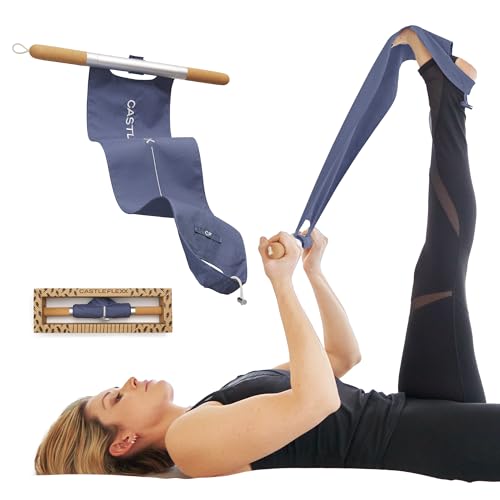
Incorporating a range of recovery protocols significantly enhances performance and prevents injuries. Engaging in dynamic stretching immediately post-training effectively helps in muscle relaxation and promotes blood flow. Targeted movements like arm swings and leg swings can facilitate a smooth transition from intense lifting to regular activity.
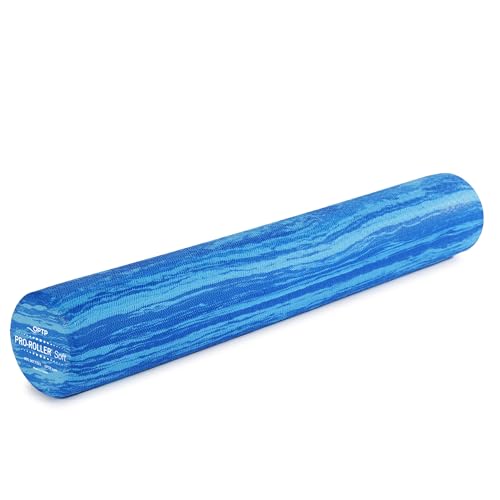
Integrating foam rolling into the recovery process is invaluable. I dedicate 10-15 minutes to this technique, focusing on tight areas such as the quadriceps, hamstrings, and back. This method aids in reducing muscle soreness and enhancing flexibility. Additionally, contrast showers, alternating between hot and cold water, can stimulate circulation and expedite muscle recovery.
Simple breathing exercises also play an instrumental role. Slowing the breath with deep inhalations and prolonged exhalations can assist in calming the nervous system post-workout. Moreover, mindful hydration through electrolyte-rich fluids restores minerals lost during exertion, ensuring optimal function. These strategies, when performed consistently, prove beneficial for achieving lasting results in fitness training.
Recommended Recovery Strategies Post-Training
Stretching and foam rolling are fundamental techniques I include in my recovery routines. Static stretches focusing on major muscle groups can enhance flexibility and facilitate relaxation. I usually hold each stretch for 15-30 seconds.


Targeted Stretches
- Hamstring Stretch: Sitting down, I extend one leg and reach towards my toes.
- Quadriceps Stretch: Standing on one leg, I pull the opposite heel to the glutes.
- Chest Stretch: I extend my arms back, opening up the chest to counteract any tightness from lifting.
Foam rolling helps alleviate muscle soreness and improve blood flow. I spend 5-10 minutes on areas that feel particularly tense, focusing on quads, hamstrings, and back.
Respiratory Exercises
In addition to physical practices, I prioritize proper breathing techniques. Taking deep, controlled breaths aids in reducing heart rate and promoting relaxation. I find inhaling for 4 seconds, holding for 4, and exhaling for 6 works well for me.
Hydration is another critical aspect of the cooldown process. I make sure to drink water or an electrolyte drink to replenish fluids lost during my workout.
To conclude, incorporating stretching, foam rolling, focused breathing, and hydration significantly enhances my recovery post-training. These elements help ensure my preparation for the next session.
Understanding the Importance of Cool Downs
I always prioritize post-exercise routines after intense lifting sessions. Incorporating a thoughtful sequence helps maintain my performance and reduces the risk of injury. Dedicated recovery time allows my body to transition effectively back to a resting state.
Physiological Benefits
The gradual decrease in intensity offers numerous physiological advantages:
- Reduces heart rate steadily, minimizing cardiovascular strain.
- Improves circulation, enhancing nutrient delivery to muscles.
- Promotes lactic acid removal, alleviating muscle soreness.
Psychological Effects
This period also contributes to mental well-being. It allows me to reflect on the session, reinforcing motivation for future workouts.
Concluding with stretching or mobility work aids flexibility, preventing stiffness. Incorporating breath control can also assist in calming the mind, setting a positive tone for recovery.
Integrating these practices into my routine has proven beneficial, aiding both physical restoration and mental clarity. I’ve seen marked improvements in my overall training efficacy and enjoyment.
Best Stretching Techniques for Post-Workout Recovery
I incorporate static stretching after sessions to enhance flexibility and support muscle recovery. Key stretches include the seated hamstring stretch, calf stretch against a wall, and quadriceps stretch while standing. Each should be held for at least 20-30 seconds to facilitate relaxation and elongation of muscles.
<pI prioritize dynamic stretching during warm-ups, but after workouts I focus on static poses. The butterfly stretch targets inner thighs effectively. For shoulders, the cross-body stretch improves mobility and alleviates tension accumulated during lifting.
<pThis routine also includes spinal twists to promote flexibility in the back, reducing stiffness. I find it beneficial to use foam rollers before and after workouts to release muscle tightness and improve circulation. This technique aids in recovery by breaking down muscle knots and increasing blood flow.
<pFinally, I believe in the advantages of incorporating deep breathing throughout my stretching to enhance relaxation and oxygen flow to muscles. This holistic approach aids not only physical recovery but mental well-being after intense sessions.
How to Incorporate Foam Rolling into Your Routine
I integrate foam rolling after every workout session, dedicating at least 10-15 minutes to it. This practice aids in muscle recovery and helps alleviate soreness. Begin with larger muscle groups such as quads, hamstrings, and back, applying steady pressure while rolling for 30 seconds to a minute on each area.
I focus on areas that feel tight or tender, adjusting my body weight to control the level of pressure applied. Rolling slowly allows me to address knots or tension effectively. I often pause on particularly sore spots for 15-20 seconds, giving my muscles time to relax and release.
Additionally, I utilize foam rolling as a warm-up tool before engaging in resistance training. Spending 5-10 minutes rolling can enhance blood flow and increase mobility. For this purpose, I concentrate on dynamic areas like hips and shoulders, ensuring they are primed for movement.
Incorporating different foam rollers–such as ones with ridges or vibrating options–adds variety and targets different muscle layers. I switch them up based on my needs and preferences. Consistency is key; I aim to include foam rolling into my regimen at least 2-3 times a week to maximize the benefits.
Time Recommendations for Optimal Cool Down Sessions
A well-structured cooldown should last between 10 to 15 minutes. This duration allows for adequate heart rate reduction and muscular recovery. During this period, I focus on low-intensity activities like walking or cycling, gradually decreasing the intensity over a few minutes.
Stretching Timeframes
Following the initial period, I dedicate about 5 to 10 minutes to stretching. Each stretch should be held for 15 to 30 seconds, ensuring that I target all major muscle groups used during my training. This not only enhances flexibility but also reduces soreness the next day.
Foam Rolling Duration
I allocate an additional 5 to 10 minutes for foam rolling. This technique aids in muscle recovery and can alleviate tightness. I recommend rolling each area for about 30 seconds to 1 minute, depending on muscle tension.
Breathing Exercises to Enhance Recovery After Lifting
Implementing controlled breathing techniques can significantly aid recovery after intense training sessions. A method I find particularly beneficial is diaphragmatic breathing. Sit or lie down comfortably, placing one hand on your chest and the other on your abdomen. Inhale deeply through your nose for a count of four, ensuring that your abdomen rises rather than your chest. Hold the breath for a count of four, then exhale slowly through your mouth for a count of six. Repeat this cycle for five minutes to promote relaxation and oxygenate your muscles.
Another effective practice is box breathing. This technique, often used for stress management, can be adapted for post-workout recovery. Inhale through your nose for a count of four, hold for four, exhale through your mouth for four, and pause for another four seconds before repeating. Engaging in this exercise for about ten rounds can help lower heart rate and encourage a calm state of mind.
Integrating pursed lip breathing can also be advantageous. This simple exercise involves inhaling deeply through the nose and exhaling slowly through pursed lips, as if blowing out a candle. Focus on extending the exhale to twice the length of the inhale. Exercising this technique for a few minutes can facilitate enhanced oxygen exchange and support the natural recovery process.
Incorporating these breathing techniques into my post-lifting routine reinforces both physical and mental recovery. Regular practice not only aids in relaxation but also assists in reducing muscle tension, ultimately enhancing my overall performance.
Signs That Indicate a Proper Cool Down
Adequate recovery following intense physical activity is marked by several observable signs. Firstly, a notable decrease in heart rate is essential. I monitor my pulse returning to near resting levels, indicating my body is transitioning from a high-intensity state to a more relaxed condition.
Another clear indicator is muscle relaxation. If I notice a reduction in muscle tightness or tension within 5-10 minutes post-exercise, it signals my body is responding positively to recovery techniques.
Improved Breathing Patterns
Next, I pay attention to my breathing. A return to a steady, controlled breathing rhythm suggests the body is recovering. If I can take deep breaths without feeling winded, it’s a sign that my cool down is effective.
Reduction in Sweating
If sweating begins to subside, it’s a positive indication that my body is cooling down. Excessive perspiration post-session may point toward insufficient recovery time.
Lastly, I look for an enhanced sense of mental clarity. When I feel more focused and less fatigued after my cooldown routine, it confirms I am transitioning effectively from workout to recovery state.
Sample Cool Down Routines for Different Lifting Sessions
For a strength training day focusing on compound lifts, my post-workout routine consists of a full-body stretch lasting 10-15 minutes. I include stretches targeting the quads, hamstrings, back, and shoulders. Each stretch is held for at least 30 seconds to promote muscle relaxation.
| Exercise | Duration |
|---|---|
| Standing Quad Stretch | 30 seconds each leg |
| Seated Hamstring Stretch | 30 seconds each leg |
| Child’s Pose | 1 minute |
| Overhead Shoulder Stretch | 30 seconds each arm |
For a hypertrophy focus, my routine shifts to dynamic stretches and mobility exercises. I typically include foam rolling for 5-10 minutes followed by dynamic stretches to keep the blood flowing.
| Exercise | Duration |
|---|---|
| Foam Roll Upper Back | 1 minute |
| Leg Swings (Forward and Side) | 30 seconds each leg |
| Lateral Lunges Stretch | 1 minute |
| Walking Hip Opener Stretch | 1 minute |
On days dedicated to Olympic lifts, my session includes a mix of static stretching and targeted mobility work focusing on the shoulders and hips to enhance range of motion. I maintain stretches for 30 seconds to a minute.
| Exercise | Duration |
|---|---|
| Pigeon Pose | 1 minute each leg |
| Shoulder Dislocations with Band | 10 reps |
| Cat-Cow Stretch | 1 minute |
| Deep Squat Hold | 1 minute |
After high-intensity workouts, I focus on breathing exercises and gentle stretches to aid recovery. I spend 5 minutes on deep, diaphragmatic breathing followed by static stretches, holding each position for 20-30 seconds.
| Exercise | Duration |
|---|---|
| Deep Breathing | 5 minutes |
| Figure Four Stretch | 30 seconds each leg |
| Neck Stretch | 30 seconds each side |


