
 Caleb Turner
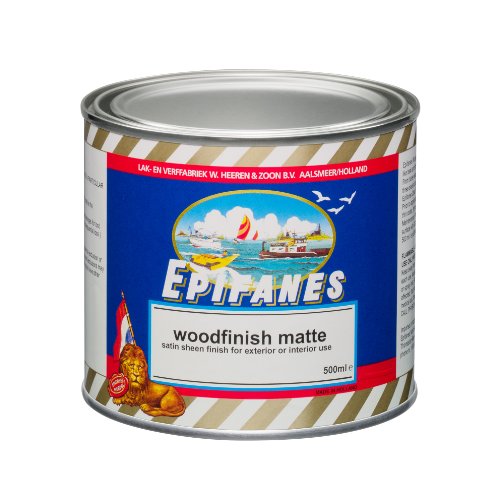
Before applying the treatment, I ensure that the surfaces are thoroughly clean and free from dust and debris. This allows for better absorption and ensures a smooth finish. Using a soft cloth, I wipe down each piece, paying special attention to any grooves or details where dirt may accumulate.
Next, I shake the bottle to mix the contents well, ensuring an even consistency. Using a clean, lint-free cloth, I apply a small amount of the liquid in a circular motion. I focus on one section at a time to prevent it from drying before I can spread it evenly. This method helps to restore the natural beauty of the wood while providing necessary nourishment.
After application, I allow the surface to soak for about 15 to 30 minutes to facilitate proper penetration. Then, I wipe off any excess with a dry cloth, taking care to avoid leaving behind any sticky residues. I usually let the item sit for a few hours, or overnight if possible, to fully cure and achieve a lasting sheen.


For maintenance, I repeat this process every six months or whenever I notice the surface looking dull. Keeping a regular schedule prevents long-term damage and preserves the aesthetic appeal of my beloved pieces.
Choosing the Right Teak Oil for Indoor Use
Selecting a suitable product is critical for maintaining the beauty and durability of wooden pieces. Here are some specific factors to consider:
- Base Composition: Look for a mineral-based option or one that uses a natural blend. These types penetrate well without leaving a sticky residue.
- Varnish vs. Non-Varnish: Choose a non-varnish product for a more natural finish that allows the grain to show through. Varnished varieties can create an unnatural shine.
- Drying Time: Opt for a quick-drying formula if you plan to apply multiple coats. Some products dry within hours, allowing for faster application.
- UV Protection: If your items receive indirect sunlight, consider an option with UV protection to guard against fading.
- Odor: Select a low-odor formulation, especially for indoor application, to ensure a pleasant environment during and after treatment.
Assess the finish you desire, whether matte or glossy, to find a product that aligns with your aesthetic preferences. Always test a small area first to ensure compatibility with the surface. This approach allows for adjustments before full application.
Consult product labels for specific instructions on preparation and application methods to achieve the best results. Reading customer reviews can also provide valuable insights into performance and satisfaction levels.
Preparing Your Furniture for Teak Oil Application
Ensure all surfaces are clean before application. Dust and dirt can disrupt absorption, leading to uneven results. I wipe down the pieces using a soft, damp cloth. For stubborn stains or residues, I use a mild soap solution, followed by thorough rinsing and drying.
Sanding the Surface
A smooth finish is key for the best results. I lightly sand the surfaces with fine-grit sandpaper, moving in the direction of the grain. This technique not only enhances absorption but also removes any rough patches or previous finishes. After sanding, I wipe the pieces with a tack cloth to remove any dust particles.
Evaluating the Environment
Temperature and humidity play a significant role. I ensure that the area is well-ventilated and that conditions are stable–ideally between 60°F and 80°F (15°C to 27°C) with low humidity. If possible, I avoid any exposure to direct sunlight, which can cause faster evaporation.
Steps to Apply Teak Oil on Indoor Furniture
Clean the surface with a gentle soap solution and a soft cloth, ensuring all dust and grime are removed. Rinse well with water and allow it to dry completely. This ensures better penetration of the product.
Wear protective gloves to safeguard your hands. Pour a small amount of the chosen product into a clean container for application.
Using a clean, lint-free cloth or a foam brush, apply a thin coat in the direction of the grain. Avoid saturating the surface; less is more for an even finish.
Let the first layer absorb for about 15 to 30 minutes. Wipe off any excess product that hasn’t soaked in to prevent a sticky residue.
After the initial layer dries, inspect the piece. If additional sheen or protection is desired, apply a second coat following the same application method as before.
Allow the surface to cure for at least 24 hours before placing any objects back onto it, ensuring full absorption and protection.
Regular maintenance can be achieved by reapplying a light coat after several months or as needed, based on the amount of wear and environmental factors.
Determining the Frequency of Teak Oil Application
For optimal maintenance, I recommend applying the penetrating liquid once every 3 to 6 months. This timeframe can vary based on several factors:
- Exposure to Sunlight: If the piece is placed in a bright area, I increase the frequency to every 3 months to prevent fading.
- Humidity Levels: In a dry environment, the protective barrier may degrade faster. I check more often and consider reapplication every 2 to 4 months.
- Wear and Tear: If the surface appears dull or rough, it indicates that it’s time for another coating, regardless of the calendar.
- Type of Finish: Pieces with a natural finish absorb solutions differently than those with a sealed or varnished surface. I typically apply more often to unfinished surfaces.
I always inspect the surface for discoloration or dryness before deciding on when to reapply. A simple test is to drop a few water droplets on the surface; if they bead up, the protection is still intact. If they soak in, it’s time to refresh the treatment.
Regular maintenance ensures durability and enhances the aesthetic appeal of the wood, allowing it to age gracefully while retaining its luster and character.
Maintaining Indoor Furniture Treated with Teak Oil
Regular care for surfaces treated with a wood finishing product derived from the tropical hardwood ensures longevity and beauty. I recommend dusting surfaces weekly with a soft, dry cloth to prevent buildup that can dull the appearance.
Cleaning Tips
For deeper cleaning, a mixture of mild soap and warm water can be applied using a damp cloth. Avoid soaking the wood; instead, use a wrung-out cloth and follow up with a dry one to remove any moisture. Rinse with a clean, damp cloth to eliminate soap residue.
Protection and Preservation
Placing coasters and mats under items can prevent scratches and stains. Keeping the environment stable, away from direct sunlight and radiators, helps maintain the finish. Refrain from using chemical cleaners, as they may strip the protective layer.
| Activity | Frequency |
|---|---|
| Dusting | Weekly |
| Deep cleaning | Monthly |
| Reapplication of finishing product | Every 6-12 months |
Staying proactive in care routines prevents the risk of damage and preserves the stunning look of your treated surfaces.
Common Mistakes to Avoid When Applying Teak Treatment
Avoid applying the solution directly under direct sunlight. Sun exposure can cause it to dry too quickly, preventing proper absorption into the grain.
Skipping Surface Preparation
Neglecting to clean the surface thoroughly before treatment can lead to uneven application and poor results. Dust, dirt, and residues can hinder the bonding process, impacting durability.
Over-application
Applying too much of the product at once creates a sticky residue that doesn’t cure properly. It’s essential to apply thin coats, allowing time for the surface to absorb each layer.
Not testing on a small, inconspicuous area first can lead to unpredictability in appearance, causing potential disappointment if the outcomes differ from expectations.
Forgetting to follow the manufacturer’s recommendations on drying times may lead to smudging or uneven texture. Each brand may vary, so checking instructions is vital.


