
 Caleb Turner

Positioning your subject near a window allows natural light to illuminate details. Opt for early morning or late afternoon for softer shadows and a warmer hue.
Focus on your setup; a clean background enhances the main piece. Use neutral colors or textures to prevent distractions. Ensure surrounding items complement the featured object, maintaining a cohesive look.
Experiment with angles to showcase functionality and beauty. A low angle can add depth, while eye-level captures provide clarity. Don’t hesitate to move around until the composition feels balanced.
Editing is essential for final touches. Adjust brightness, contrast, and saturation to reflect realism while emphasizing the piece’s characteristics. Subtle adjustments make a significant difference.


Consistent practice hones skills quickly. Review past captures to identify strong points and areas for improvement. Each session brings new insights and enhances my ability to highlight exquisite designs.
Strategies for Capturing Impressive Images of Home Decor Items
Utilize natural light for a soft, even illumination that enhances textures and colors. Set up near windows or in well-lit rooms during daylight hours. Avoid harsh shadows by adjusting angles or using sheer curtains to diffuse incoming light.
Staging and Composition Techniques
Arrange decor elements thoughtfully to create a balanced composition. Use complementary colors and textures to highlight the piece. Experiment with different angles, including eye-level and bird’s-eye views, to find the most flattering perspective.
Background Choices and Props
Select simple, uncluttered backgrounds to keep the focus on the item. A plain wall or neutral fabric allows the piece to stand out. Additionally, incorporate props or accent items to provide context, but keep them minimal to avoid distraction.
Choosing the Right Lighting for Furniture Photography
Use natural light for a soft, flattering appearance. Schedule sessions during golden hour, shortly after sunrise or before sunset, when sunlight is diffused and warm.
Types of Lighting
- Soft Light: Utilize sheer curtains or diffusion panels to soften harsh sunlight.
- Reflectors: Use white boards or reflectors to bounce light, reducing shadows on the subject.
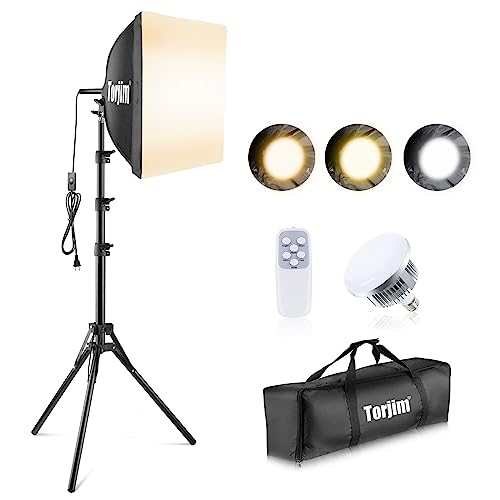
- Artificial Light: Consider LED lights with adjustable color temperatures; aim for a warm setting.
Balancing Shadows and Highlights
Avoid overwhelming contrasts by positioning the source of illumination so the light wraps gently around the object. This approach minimizes stark shadows and enhances texture.
Experiment with angles. Move the light source around to find the most flattering position. Take test shots to evaluate how each angle affects the overall tone and visibility of details.
Finally, keep an eye on color temperature. Ensure consistency in lighting by avoiding mixed sources, such as combining daylight with tungsten bulbs. This maintains a cohesive look throughout your series.
Using the Best Camera Settings for Detail
To capture intricate details and textures, I recommend utilizing a low ISO setting, typically around 100 to 200. This minimizes noise and enhances clarity.
Set the aperture to a higher number, such as f/8 to f/11. A smaller aperture increases the depth of field, ensuring that more elements in the frame are in sharp focus, highlighting craftsmanship effectively.
For shutter speed, consider using a slower setting, especially in good lighting conditions. A speed of 1/60 seconds or slower allows sufficient light to enter while maintaining detail, yet ensure stability to avoid motion blur.
Using a tripod is advantageous, particularly with slower shutter speeds. This stabilizes the camera and prevents blurriness, especially for close-ups of textures.
Adjust the white balance according to the light source to achieve accurate color representation. Experimenting with the manual white balance feature can yield true-to-life colors that reflect the material of the item.
To focus on specific details, employ manual focus for precision. This guarantees that the focal point aligns perfectly with your artistic vision, allowing minor details to shine.
Lastly, utilizing RAW format is ideal for maintaining maximum detail. This format retains more information in the image, providing greater flexibility in post-processing adjustments.
- ISO: 100-200
- Aperture: f/8 to f/11
- Shutter Speed: 1/60 seconds or slower
- Use a tripod for stability
- Manual white balance for accurate colors
- Manual focus for detailed precision
- Shoot in RAW for maximal detail
Finding the Perfect Angle to Showcase Furniture
Position the camera at eye level to create a more relatable perspective. This aligns the viewer’s gaze with the piece, enhancing its appeal. Experiment with a slight tilt to capture depth and dimensions, allowing the contours of the design to stand out.
Capture images from multiple perspectives. Side shots highlight profile lines, while frontal shots can emphasize fabric texture and details. A 45-degree angle often provides a balanced view, showcasing both depth and surface characteristics simultaneously.
Incorporate foreground elements to create depth. This layering draws the viewer’s eye into the scene, making the arrangement feel more dynamic. Consider using complementary decor to further enhance the overall composition.
Adjust your distance from the subject. Close-ups reveal intricate details, while wider shots contextualize the piece within the environment. Find a middle ground that captures the essence without overwhelming or underwhelming its presence.
Utilize a tripod for stability, especially in low light or when achieving longer exposures. This prevents blurriness and maintains clarity, allowing the furniture to shine in its best light.
Lastly, always review and adjust until the angle feels just right. The perfect shot often requires patience and multiple attempts. Experimentation leads to unique perspectives that truly showcase the furniture’s character.
Styling the Scene for a Professional Look
Begin with decluttering the space around the item. A tidy background draws attention to the subject. Use neutral-colored items to avoid distractions. Consider minimalistic decor that enhances visual appeal without overwhelming the centerpiece.
Textural Contrast
Incorporate various textures to add depth. For example, pair a sleek leather chair with a soft wool throw or a natural wood table with vibrant greenery. This visual contrast creates interest and can highlight the material quality of each piece.
Layering Elements
Layering is crucial for creating a sense of dimension. Place decorative elements like books, vases, or sculptures at different heights on surfaces. This technique leads the eye across the frame, encouraging viewers to explore every detail.
| Element | Purpose |
|---|---|
| Neutral Background | Enhances focus on the item |
| Textural Variety | Creates visual interest |
| Decorative Layering | Adds depth and complexity |
| Natural Light Sources | Illuminates without harsh shadows |
Use plants to bring life and freshness into the scene. A strategically placed succulent or flowering plant can enhance the aesthetic while reinforcing a relaxed ambiance. When designing the setting, keep the color palette cohesive to maintain harmony throughout the shot.
Finally, ensure all elements align with the intended style and purpose of the item being featured. Consistency in design strengthens the overall presentation, enabling the viewer to appreciate the craftsmanship and beauty of each piece.
Editing Tips to Enhance Your Furniture Photos
Begin with cropping to eliminate distractions and focus attention on the item. This allows potential buyers to see the piece’s details without unnecessary clutter.
Adjust the brightness and contrast to create a more appealing look. Increasing brightness can highlight colors and textures, while a slight contrast boost makes edges sharper.
Utilize color correction tools to ensure that the hues are true to life. This step can be crucial, especially for wooden textures where accurate representation of color is important.
Employ sharpening techniques on the image to emphasize details. This can enhance the appearance of fabric patterns or wood grain, making the piece look more attractive.
Consider using a subtle vignette effect to draw attention inward. This technique can create a sense of depth, making it feel as though the viewer is looking closely at the item.
Layer in a slight blur to the background to mimic depth of field. This keeps focus on the main object while softening any surrounding elements.
Utilize filters judiciously to maintain a natural appearance. Over-filtering can distort image quality, detracting from the visual impact.
Batch editing can save time when working with multiple images. Consistency in color and brightness across a series of shots presents a cohesive look for your collection.
Always review edits on different screens to ensure the final images maintain their integrity across devices. This way, potential buyers will see an authentic representation of the item.
Utilizing Backgrounds That Complement Your Furniture
Choose a backdrop that enhances the characteristics of the item. Neutral colors such as soft whites, greys, or beiges often work best as they allow the piece to stand out without distraction.
Avoid busy patterns or clashing colors that draw attention away from the main subject. Instead, consider textured surfaces like brick walls or natural wood, which can add depth while still being subtle.
Incorporate elements that reflect the style of the furniture. For modern pieces, a minimalist approach works well, while vintage items can shine against rustic or eclectic backgrounds. The choice of backdrop should align with the aesthetics of the object.
Utilize outdoor settings if possible. Natural light and outdoor scenery can breathe life into your shots. Ensure the surroundings complement the item; for example, greenery can enhance wooden pieces, providing a harmonious feel.
Experiment with various settings: from urban environments to tranquil gardens. Each setting can evoke different moods, allowing flexibility in presenting the item.
Keep the backgrounds uncluttered, maintaining focus on the subject. A clean, organized space, whether indoor or outdoor, ensures that the furniture takes center stage.
Don’t hesitate to use props sparingly. A few carefully selected items can help convey the intended style and context, but they should enhance, not dominate, the composition.
Understanding Different Types of Furniture Photography
For showcasing various furnishings, identifying the right style of photography sets the foundation for compelling imagery. Each type serves a unique purpose and appeals to different audiences.
For catalog shots, aim for crisp clarity and a minimalist backdrop. This approach emphasizes the piece itself, making it easier for potential buyers to visualize its features.
In lifestyle photography, incorporate settings that exhibit the item in a real-world context. Positioning it in a cozy living room or chic office allows viewers to imagine how it fits into their lives. Natural light works wonders here, enhancing the atmosphere.
Detail shots are vital for highlighting craftsmanship and unique features. Close-ups showcasing textures, materials, and intricate designs draw attention to quality. A macro lens can be particularly beneficial for these captures.
Consider product styling when planning. Accessories like throw pillows, books, or plants can complement the main subject. Arranging items harmoniously creates a cohesive look, appealing to decorators and home enthusiasts.
Experiment with different moods for artistic shots. Using shadows and dramatic lighting can evoke emotions, giving the viewer a more profound connection to the furniture piece. This creativity distinguishes your portfolio from standard imagery.
Finally, always align the style of photography with the brand identity. Understanding target demographics will guide the aesthetic direction, ensuring images resonate with potential customers. An authentic visual representation can strengthen brand loyalty and recognition.


