Caleb Turner
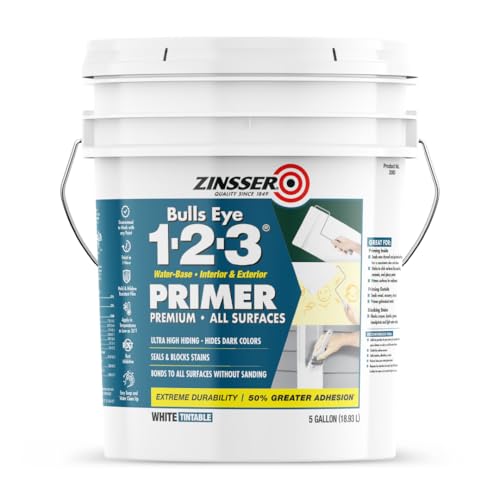
Choose a high-quality primer compatible with the existing finish. This crucial step ensures that the new coat adheres properly and lasts longer. Opt for a primer designed for the specific material of your piece, whether it’s wood, metal, or laminate.
Next, thoroughly clean the surface to remove any dust, grease, or oils. A mixture of warm water and mild detergent works well; scrub gently with a sponge or cloth. After cleaning, let the surface dry completely before proceeding.
Sand the entire area lightly using fine-grit sandpaper. This process scuffs the old surface enough to provide texture for the new layer. Pay special attention to edges and detailed areas, ensuring a uniform finish that enhances the end result. Wipe away the dust with a damp cloth after sanding.
Finally, apply your chosen topcoat with a brush or roller, following the manufacturer’s guidelines for optimal results. Multiple thin layers yield a more durable and smooth finish than a single thick coat. Allow adequate drying time between applications to achieve the best outcome.
Repainting Techniques for Pre-Existing Coatings
Begin with thorough cleaning. Remove any dust, grease, or stains using a mild detergent solution and a soft cloth. Rinse with water and allow the surface to dry completely.


Next, assess the condition of the existing finish. If it’s glossy, sanding will help the new layer adhere better. Use fine-grit sandpaper (around 220-grit) to lightly scuff the surface without compromising the underlying material. Wipe away any dust created during this process with a damp cloth.
Choosing the Right Product
Select an appropriate type of coating based on the material of the item. For wooden surfaces, a high-quality acrylic or latex option is ideal. For metals, consider using enamel or a specialized spray paint designed for metal. Always check compatibility to avoid peeling or other issues later.
Application Method
Use a brush or roller for larger areas, ensuring even coverage without excess buildup. If using a spray, maintain a consistent distance for smooth application. Allow sufficient drying time as indicated by the manufacturer before applying a second coat. This ensures durability and consistent color depth.
Assessing the Current Paint Condition
I examine the surface thoroughly for peeling, chipping, or dullness. If the coating is flaking, it indicates poor adhesion, leading to a more difficult application of new layers. A quick test involves gently scraping the surface with a fingernail; if it comes off easily, then the existing layer may need complete removal.
Next, I check for any discoloration or staining. Areas with water damage might require additional preparation before applying fresh color. If mold or mildew is present, I treat those sections prior to continuing.
I also assess the texture of the underlying finish. A glossy surface can hinder the new layer’s ability to adhere. In such cases, I sand it lightly to create a better grip, ensuring an even application.
Finally, I take note of the previous color. Certain hues may bleed through lighter shades, necessitating a primer to prevent unwanted tinting. Understanding these details helps in planning the next steps effectively.
Selecting the Right Type of Paint
For this task, I recommend using a high-quality acrylic or latex paint, as these options offer excellent adhesion and durability on surfaces that have existing coatings. Acrylic paints are water-based, making them easy to clean up, and they provide a smooth finish.
Considering Finish Options
Choosing the correct finish is just as significant as selecting the right paint type. Semi-gloss and satin finishes are ideal; they resist stains and are easy to wipe clean. Avoid flat finishes, as they may not provide the desired wear resistance.
Specialized Paints
If the surface was previously coated with oil-based products, I suggest using a specialized bonding primer before applying the new layer. Some manufacturers also offer paints designed specifically for use over other coatings, ensuring optimal adherence and longevity.
Gathering Necessary Tools and Supplies
For a successful transformation, the right equipment is paramount. Prepare the following items to ensure a smooth and effective process:
Basic Tools
| Tool | Function |
|---|---|
| Screwdriver | To remove hardware and fixtures. |
| Sandpaper or Sanding Block | For surface smoothing and paint removal. |
| Paint Scraper | To eliminate peeling or cracked layers. |
| Brushes and Rollers | For applying the new coating. |
| Drop Cloth | To protect the surrounding area from drips. |
Supplies Required
Gather these materials beforehand for convenience:
| Supply | Purpose |
|---|---|
| Primer | To enhance adhesion of the final layer. |
| New Paint | Choose color as per personal preference. |
| Sealant or Topcoat | To protect the surface after application. |
| Cleaning Supplies | For dust removal before application. |
Having all these tools and materials ready will facilitate a seamless update of the piece.
Preparing the Surface for Repainting
Thorough cleaning is the first step. Use a mixture of warm water with mild detergent and a sponge to remove dirt and grime. For stubborn stains, a mixture of baking soda and water can be effective. Rinse with clean water and let it dry completely.
Sanding is crucial for removing the old finish and creating a smooth base. I usually opt for medium-grit sandpaper (around 120-grit) for initial sanding, followed by finer grit (220-grit) to smooth out the surface. Ensure to sand in the direction of the grain to avoid scratches.
After sanding, I always wipe down the surface with a damp cloth to remove dust. This step prevents debris from interfering with the adhesion of the new layer.
Inspect for any repairs that may be necessary. I fill in holes or dents with wood filler, allowing it to dry fully before sanding down the area to be even with the rest of the surface.
Applying a primer can significantly improve adhesion, especially if the previous layers had a glossy finish. Choose a high-quality primer suitable for the material of the item being refreshed.
Lastly, ensure the workspace is well-ventilated. Good airflow makes the process smoother and more pleasant, reducing the chance of inhaling fumes.
Choosing a Suitable Primer
Opt for a high-quality bonding primer for surfaces that have a glossy finish or an oil-based layer. This type enhances adhesion and reduces the risk of peeling or chipping.
If the existing coating is latex, a water-based primer will suffice. It allows for quicker drying time and easy cleanup. Always check the label to ensure compatibility with the top coat you plan to use.
For outdoor items, consider using a primer with mildew resistance to provide additional protection against moisture and environmental elements.
Read reviews and select a product that is proven effective for similar applications. A primer specifically designed for furniture may offer the best results, creating a smooth and durable foundation for your chosen top layer.
Don’t forget to ensure proper ventilation while applying primer, as some formulations may release strong fumes.
Applying the Primer Evenly
Ensure an even application of primer for optimal adhesion and coverage. Using a high-quality brush or roller, I begin with a small section, working in manageable areas. This prevents the product from drying too fast and allows for smoothing over any drips or unevenness.
I apply the primer in thin layers, avoiding excessive amounts on the brush. Starting from one edge, I work my way across, maintaining a consistent pressure. It’s crucial to follow the wood grain to minimize brush marks. After an initial coat, I inspect the surface for missed spots or areas needing touch-ups.
For intricate designs or corners, I use a small foam brush to reach tight spaces without overlapping onto adjacent areas. This prevents the risk of creating a heavier texture that may later show through the final coat.
After applying the first layer, I allow sufficient drying time as recommended by the manufacturer. It’s tempting to rush, but patience ensures a smoother finish. Once dry, I lightly sand the surface with fine-grit sandpaper to create a better surface for the next coat.
Finally, I repeat the priming process, if necessary, to achieve full coverage, ensuring an even and solid foundation for the topcoat. Careful attention during this stage ultimately reflects in the final appearance of the piece.
Techniques for Applying the New Paint
Use a high-quality synthetic brush for small areas and intricate details, while opting for a foam roller for larger flat surfaces. This combination ensures even application and smooth coverage. Always paint in the direction of the grain to achieve a professional finish.
Layering and Drying
Apply at least two coats for optimal opacity. Allow each layer to dry completely before applying the next one, as this prevents issues such as peeling or bubbling. Check the manufacturer’s recommendations for drying times to ensure proper adherence.
Final Touches
After the last coat has dried, inspect for any imperfections. Lightly sand with fine-grit sandpaper for a smooth texture if necessary. Finish with a clear topcoat for added durability and a polished appearance. Use a spray version for a seamless finish or a brush-on for more control in specific areas.
Ensuring Proper Drying and Curing Times
After applying a new finish, I focus on allowing sufficient drying and curing duration, critical for achieving durable results. Each type of coating has its own requirements, thus checking the manufacturer’s guidelines is wise.
Factors Influencing Drying Time
- Temperature: Warmer conditions usually speed up the drying process. Aim for a space temperature between 65°F and 75°F (18°C to 24°C).
- Humidity: Higher moisture levels in the air extend drying and curing durations. If necessary, use a dehumidifier to improve conditions.
- Ventilation: Adequate airflow can enhance evaporation. Opening windows or using fans helps with this.
Recommended Drying Schedule
- Allow the primer to dry for at least 1-2 hours before applying the topcoat.
- After the first layer of color, wait approximately 4-6 hours before adding a second coat.
- For full curing, resist using the item for a minimum of 24-48 hours after the final coat.
Monitoring these timings ensures the longevity and appearance of the new coating. Adjustments may be necessary based on specific conditions, but patience in this phase pays off substantially.
Finishing Touches and Sealing the Paint
After completing the coloring process, I focus on applying a protective layer to enhance durability and appearance. A clear sealer or topcoat is essential. I select options such as polyurethane, water-based sealers, or chalk-style finishes, based on the desired sheen and environment the item will occupy.
Choosing the Right Sealer
Evaluating the surface’s use is crucial. If it’s a frequently used piece, like a tabletop, I opt for a sturdy polyurethane. For decorative items, a lighter sealer may suffice. Always check whether the chosen product is compatible with the type of coloration previously applied.
Application Process
Before sealing, I ensure the color is fully cured, generally allowing 24 to 48 hours. Using a clean, high-quality brush or a foam applicator helps avoid streaks. I pour the sealer into a tray and apply it using smooth, even strokes, working with the grain for the best finish. It’s wise to apply at least two coats, allowing appropriate drying time in between, typically following the manufacturer’s recommendations.
| Sealer Type | Drying Time (Approx.) | Finish Type |
|---|---|---|
| Polyurethane | 2-4 hours | Satin, Semi-gloss, Gloss |
| Water-based Sealer | 1-2 hours | Matte, Satin |
| Chalk Finish Sealer | 2-3 hours | Matte, Soft |
After applying the final layer, I allow the piece to cure fully, which might take several days. This step is vital to ensure long-lasting protection and a beautiful finish. Once cured, my refreshed item is ready to present, blending seamlessly into its intended space.