
 Caleb Turner
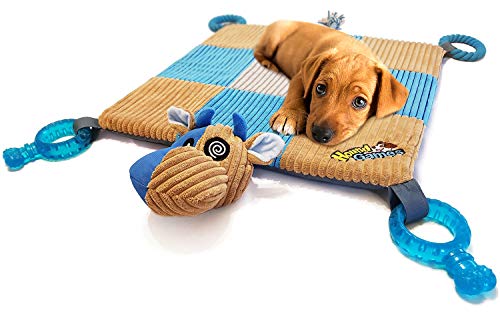
If your canine companion is exhibiting destructive behavior towards your belongings, redirecting their focus can be an effective strategy. Offer a variety of appropriate chew toys to satisfy their natural instincts. Toys made from rubber, rope, or plush materials can keep them engaged while steering them away from your property.
Establish a clear routine that incorporates regular physical activity. Engaging in daily walks or play sessions not only tires them out but also reduces their urge to gnaw on items that aren’t meant for them. Mental stimulation, such as puzzle toys or training exercises, can further enhance this effect.
Utilizing deterrent sprays on surfaces that they typically target can also be beneficial. These sprays are designed to make inappropriate chewing less appealing with bitter tastes. By combining these tactics, I found success in keeping my home intact while still allowing my furry friend to express their natural behaviors in a safe manner.
Strategies to Discourage Destructive Behavior
Utilize bitter-tasting sprays on items they tend to gnaw. These products deter them from biting due to the unpleasant taste. Apply consistently on all areas of interest.
Redirect Attention to Appropriate Chew Toys
Offer a variety of chew toys designed for teething. I found that rubber and rope toys can effectively capture their attention. Rotate toys regularly to maintain interest and avoid boredom.


Establish Boundaries Using Physical Barriers
Create designated areas with gates or barriers. This method allows limited access to specific rooms and protects valuable items. Train them to understand these boundaries gradually.
Understanding the Reasons Behind Chewing
I observe that destructive behaviors, such as gnawing on household items, frequently stem from several key factors. Identifying these underlying motivations can assist in addressing the behavior effectively.
Teething Discomfort
Many young dogs experience discomfort as they transition from baby teeth to adult teeth. The pressure and pain associated with this process lead them to seek relief through biting various objects. Providing appropriate chew toys can alleviate this discomfort while diverting their attention from unintended targets.
Boredom and Energy Levels
Another critical factor is excess energy and lack of mental stimulation. When a canine companion is under-stimulated, they often resort to destructive activities to entertain themselves. Ensuring daily exercise and incorporating interactive toys can significantly reduce incidents of unwanted chewing, channeling their energy into more appropriate outlets.
Attention-seeking behavior plays a role as well; if a furry friend receives a reaction from their owner after chewing, it may reinforce the habit. Consistent training and redirection are necessary to curb this response.
Choosing the Right Chew Toys for Your Pup
Select durable materials that can withstand aggressive gnawing. Rubber toys and nylon bones often stand the test of time while providing enough resistance to satisfy strong jaws. Ensure they’re free from harmful chemicals by checking labels and choosing trusted brands.
Size Matters
Appropriate sizing is crucial. A toy that is too small may pose a choking hazard, while one that is too large might not engage adequately. Aim for toys that encourage chewing without overwhelming your companion.
Variety Keeps Interest
Incorporate different types of chew toys to maintain engagement. Rotate between textures, shapes, and sounds. Incorporating squeaky toys not only intrigues but also offers auditory stimulation, keeping your furry friend entertained.
Finally, observe your companion’s preferences. Some may prefer soft plush toys while others might gravitate towards more robust options. Testing various types will help identify what truly captivates their attention.
Establishing a Training Routine for Furniture Avoidance
I found that consistency is key in shaping desirable behaviors. Setting a specific schedule for training sessions significantly aids in instilling discipline. Aim for short, focused sessions lasting around 5 to 10 minutes throughout the day.
- Timing: Choose times when the little one is most alert and engaged. Early mornings or after playtime often yield the best results.
- Designated Areas: Define clear boundaries within your living space. Utilize baby gates or playpens to limit access to areas with potential hazards.
- Positive Reinforcement: Utilize treats and praise when the desired action is performed. Rewarding them for playing with acceptable toys reinforces good habits.
In situations where I noticed interest in prohibited items, redirecting their focus was effective. Gently lead them towards approved toys, accompanying this action with verbal encouragement.
- Consistent Commands: Establish specific verbal cues for redirecting behavior. A simple “no” or “leave it” can work wonders if used consistently.
- Regular Breaks: Schedule periodic breaks during training. This helps maintain enthusiasm and prevents fatigue.
- Monitor Progress: Keeping notes on behavior changes allows for adjustments in techniques, ensuring the routine remains effective.
As the training progresses, gradually increase the challenges. Introducing distractions, such as low-value items, can test their training while reinforcing learned behaviors.
Engaging with my companion throughout the training journey fosters a stronger bond, making both learning and living together more enjoyable. The transformation takes time, but patience and consistency truly pay off.
Using Deterrents to Protect Your Furniture
Apply bitter apple spray to areas of interest. This unpleasant taste discourages unwanted nibbling, and I noticed it significantly reduced interest in my couch.
- Check the label for pet-safe ingredients.
- Reapply every few days for maximum effectiveness.
- Test on a small area first to ensure no damage occurs.
Furniture covers offer a physical barrier. Choose durable, washable options that can withstand playful behaviors. Slipcovers can be removed when not in use.
Other Deterrent Strategies
- Use a motion-activated air canister. This harmless burst of air startles and creates a negative association.
- Place double-sided tape on surfaces. The sticky texture is aversive to curious noses and reduces engagement.
Consistency is key with any deterrent. Routine application guarantees that the associations remain strong, helping to shape preferred behaviors over time.
Creating a Puppy-Proof Environment at Home
Remove tempting items from accessible areas. Store shoes, remote controls, and cords in cabinets to eliminate potential chew targets. Use baby gates to restrict access to off-limits zones.
Opt for decorative storage solutions to conceal belongings. Baskets or bins can keep items tidy while maintaining an appealing atmosphere. This approach discourages attention-seeking behaviors.
Invest in furniture covers or slipcovers. This adds an extra layer of protection to your couches or chairs, making them less attractive as chewable objects.
Designate specific spaces for your canine companion. Create a cozy area with a comfortable bed and appropriate toys. Redirecting their focus to personal space encourages positive behaviors.
Implement a regular cleaning routine to keep floors clear. Daily tidying helps to eliminate any stray items that can capture curiosity and become targets for nibbling.
Use furniture arrangements to your advantage. Position items in ways that limit access to valuable pieces. Arranging seating areas strategically can deter unwanted exploration.
Consider using natural deterrents like citrus scents around baseboards and furniture. Many canines dislike these smells, making it less likely they’ll approach areas with these fragrances.
Monitor your young dog during initial acclimation. Close supervision enables you to intervene promptly and redirect their attention if they gravitate toward inappropriate objects.
Monitoring and Adjusting Your Dog’s Behavior
I set up a structured observation routine to track my furry companion’s activities and reactions. Keeping a daily journal helped me identify specific situations where unwanted gnawing occurred. Documenting these instances provided insights into patterns, allowing for tailored adjustments in training techniques.
Key Points to Monitor
| Behavior | Observation | Adjustment Strategy |
|---|---|---|
| When left alone | Attempts to chew on various objects | Start with short durations of separation; gradually increase time |
| Materials attracted to | Shows interest in wood or fabric | Provide alternative items made of similar textures |
| Triggers for chewing | Engaged after play or meal times | Integrate playtime followed by chewing sessions with toys |
Adaptation Strategies
I constantly reassess my approach based on observations. For example, if my friend’s enthusiasm for a certain chew item waned, I replaced it with a different texture or scent. Rewards and positive reinforcement became key components as I observed actions that aligned with desired behavior.
This ongoing process of monitoring and adapting ensures effective training and helps cultivate a harmonious living environment for both of us. Regular evaluations keep me focused and responsive, minimizing unwanted habits over time.


