
 Caleb Turner
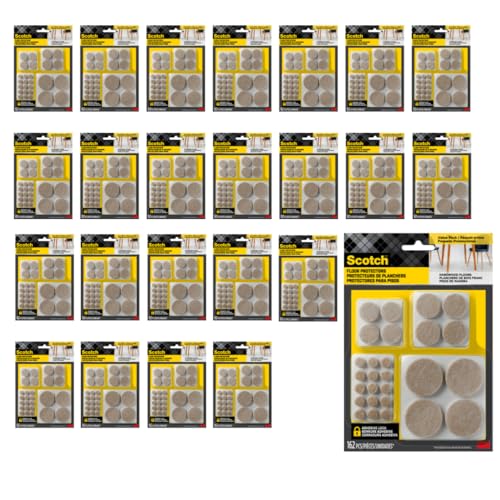
Applying felt pads beneath the legs of your pieces significantly reduces contact with surfaces, preventing wear and tear. These simple additions absorb impact and help maintain the integrity of your walls while providing a cushion between the two.
Using corner guards is another effective method. These protective foam or rubber strips shield corners from occasional bumps, maintaining both the beauty of your decor and the structure of your living space. Positioning them strategically at vulnerable points can make a notable difference.
For larger items, such as cabinets or bookshelves, securing them to the wall with brackets can eliminate the risk of shifting. This practice not only keeps your pieces stable but also adds an extra layer of protection for painted or wallpapered surfaces.
Custom solutions, like using sliders designed specifically for your appliances or larger constructs, also serve to lower friction and impact. These products allow smooth movement across floors, minimizing any potential scuff marks or indentations on your interior.


Preventing Damage to Decorative Surfaces
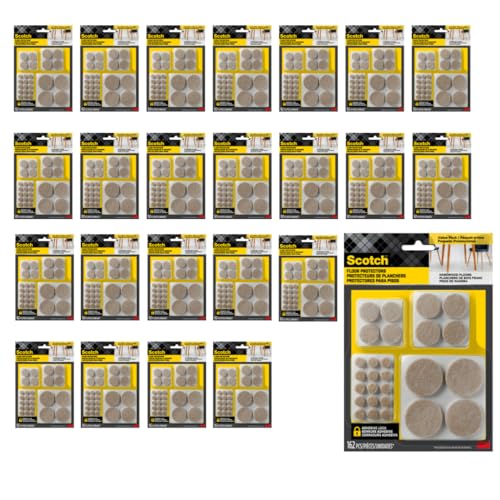
I recommend applying soft felt pads to the bottom of each leg of your pieces. These pads create a barrier that absorbs shocks and prevents marks. Ensure the pads are clean and intact, replacing them as needed.
<p.Another effective strategy involves using corner guards. These protect vulnerable areas by covering the edges of walls where contact is likely. Select designs that complement the room's décor while adding protection.
<p.Padding the sharp corners of items with foam or rubber can reduce the impact when pushed against the adjacent surface. This simple addition can make a noticeable difference in preserving the condition of both the object and the walls.
<p.Positioning a decorative throw or fabric between the back of the item and the wall can absorb friction. This method works well for pieces that slide or shift frequently, adding an extra layer of protection.
<p.Revisiting placement is beneficial; ensuring enough space for movement naturally reduces potential harm. Evaluating traffic flow and spacing can prevent accidental collisions.
Choosing the Right Furniture Placement
Position items strategically to minimize contact with surfaces. Start by determining the most frequented pathways in the room. Ensure that larger pieces do not block these routes, which can lead to accidental bumps and wear on the walls.
Optimal Arrangement Strategies
- Utilize corner spaces for bulkier items, providing both stability and protection for your surroundings.
- Position soft furnishings, like couches or armchairs, away from edges to create a buffer zone.
- Consider asymmetrical layouts; they can enhance flow and reduce risks of impact.
Creating Buffer Zones
Incorporate smaller accessories like side tables or ottomans between larger units and walls. This addition not only protects surfaces but also enhances usability and aesthetics.
Regularly reassess the arrangement to adapt to changes in function or room usage, ensuring that the setup remains practical and safe for all users.
Installing Wall Protectors or Bumpers
Consider attaching wall protectors or bumpers to areas where contact with heavy items is frequent. These accessories serve as a buffer between your decor and the surface, significantly reducing damage.
Types of Protectors
Various styles are available, including adhesive pads, rubber bumpers, and corner guards. Adhesive pads can be easily applied and come in different thicknesses. Rubber bumpers provide excellent cushioning and are ideal for more frequently used areas. Corner guards protect vulnerable edges from impact damage, especially in busy spaces.
Installation Process
Start by cleaning the surface where the protective material will be affixed to ensure proper adhesion. Measure and mark the desired positions, then peel and stick the pads or bumpers directly onto the marked spots. For corner guards, use a strong adhesive or mounting tape for stability. Ensure a firm press for several seconds during application.
Regularly check the condition of the protectors and replace them as needed to maintain their effectiveness. This simple addition greatly enhances the longevity of your walls and minimizes wear and tear from everyday interactions.
Utilizing Furniture Pads and Sliders
Applying furniture pads under chair and table legs is a straightforward way to prevent marks on surfaces. These pads, available in felt, rubber, or cloth, create a barrier between the furniture and the wall, minimizing contact and friction. When selecting pads, focus on those with adhesive backing for secure attachment and a smooth surface for easy movement.
Types of Pads
Felt pads are ideal for wood and laminate floors, as they provide a soft surface while still allowing for easy gliding. Rubber pads offer more grip, suitable for heavier items that might be moved frequently. For adjustable tables, using pads with varying thicknesses can accommodate different heights and prevent wobbling.
Sliders for Larger Pieces
For large items like couches and cabinets, sliders can be particularly effective. These enable effortless movement during cleaning or rearrangement, protecting both the items and the surrounding surfaces. Choose sliders that match the weight of the item; heavier pieces may require stronger, sturdier sliders designed to withstand wear without cracking.
Regular Maintenance of Furniture Feet
Inspect the bottom of each item regularly for wear and tear. If I notice any rough edges or damage, I take action immediately to prevent potential harm to my walls. Sanding down uneven or sharp areas helps create a smooth surface that reduces the risk of marks.
I also ensure that the feet are free from dirt and debris, as accumulated grime can scratch surfaces when the item is moved. A simple wipe with a damp cloth keeps them clean.
Applying a protective coating, such as clear varnish or a sealant, adds an extra layer of defense against scratches. I make sure to reapply this coat periodically, especially if the item sees heavy use.
If the feet are adjustable, I double-check their height and stability. Any instability could lead to uneven pressure against the wall. Tightening or repairing adjustable mechanisms helps maintain balance and minimizes contact with the wall surface.
When adjusting the placement of my pieces, I always lift rather than drag them. This practice prevents unnecessary contact with the walls, preserving both the furniture and the surrounding area.
Implementing Movement Cautions During Cleaning
Always ensure the work area is clear and organized before starting the cleaning process. I recommend marking a clear path to guide anyone moving heavy items.
Preparation Steps
- Use light, portable tools for dusting and cleaning to minimize the need for repositioning bulky pieces.
- Assign tasks to multiple people, coordinating movements to reduce the risk of unintentional bumps.
- Keep an eye on narrow passages and corners where collisions are likely to occur.
Technique Tips
- Employ slow, deliberate movements while shifting any household objects.
- Utilize furniture slides or pads during the cleaning routine to facilitate smoother transitions.
- Regularly assess the surrounding area for obstacles or hazards to prevent scratches.
Following these guidelines not only preserves the integrity of the walls but also promotes a safer cleaning environment.
Educating Household Members on Considerate Movement
I often emphasize the importance of mindful navigation within our living spaces. By directly addressing family members about the consequences of careless movements, I find it beneficial to establish a culture of awareness. Here are specific strategies for effective communication:
Clear Guidelines
It helps to set straightforward rules for handling items in our home. For example, always lift rather than drag objects, especially those with weight. Placing signs near frequently used areas can serve as constant reminders.
Involve Everyone
Involving all household members in this conversation cultivates a sense of responsibility. Host a brief gathering to discuss the impact of careless actions on both our possessions and home aesthetics. Encourage input on effective solutions, fostering ownership of protective measures.
| Action | Impact |
|---|---|
| Lift items instead of dragging | Reduces wall damage and scuff marks |
| Use protective covers | Helps prevent scratches and dings |
| Communicate openly | Builds a culture of respect for shared spaces |
| Designate specific paths | Minimizes accidental contact with surfaces |
Regular reminders and discussions can solidify these habits. Sharing knowledge about proper techniques ensures that everyone understands their role in maintaining a damage-free environment.
Using Decorative Elements for Protection
I recommend incorporating decorative elements such as wall art, decorative mirrors, or frames to enhance aesthetics while providing a buffer. These items can act as a shield, absorbing any impact before it reaches your wall’s surface. Choose pieces with a thick frame or a cushioned backing to maximize their protective qualities.
Consider Using Removable Adhesive Strips
Adhesive strips designed for mounting artwork can serve a dual purpose. By affixing them near furniture corners, they can absorb shocks and prevent damage. These strips are easy to remove and reposition, offering flexibility in design and protection.
Wall Decals and Padding
Applying wall decals not only adds character but also softens potential impacts. For higher traffic areas, padded wall panels or upholstered boards can be stylishly integrated. Look for options in various colors and textures to match your interior style while providing a practical solution.
Using these decorative elements not only beautifies the space but also creates a functional barrier against any unwanted marks. A thoughtful combination of design and defense can lead to a harmonious and safe living environment.


