
 Caleb Turner
Begin with thorough inspection of your wooden assets. Look for tiny holes, powdery residue, or unusual patterns on the surface, which indicate the presence of these damaging pests. Once identified, isolate the affected piece to prevent spreading.
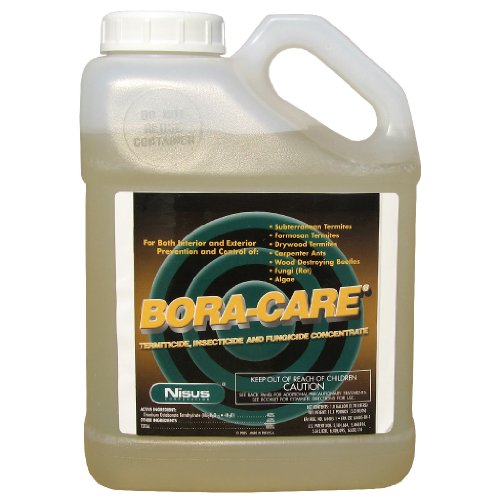
Apply a specialized treatment designed to penetrate deeply into the structure. Borate solutions are highly recommended, as they not only eradicate existing infestations but also act as a preventive barrier. Ensure the product is compatible with your item and follow the instructions closely.
Consider using heat or cold as an alternative method. Exposing the infected object to temperatures above 120°F (49°C) or below 0°F (-18°C) for several hours can effectively kill any hidden insects. This approach is often preferred for valuable antiques where chemical treatments may be unsuitable.


Maintain a dry environment, as moisture attracts infestations. Regularly check humidity levels in storage areas and consider using silica gel packs or dehumidifiers to keep conditions unfavorable for any pests.
Finally, routine maintenance plays a critical role in prevention. Regularly applying protective finishes and conducting inspections help to ensure lasting integrity of your cherished wooden items.
Identifying Signs of Infestation in Wooden Furniture
The first indication of an invasion often presents as small, round exit holes in the surface. These openings serve as a clear signal of activity beneath. Inspecting the wood closely for these punctures is crucial.
Next, hearing a soft crunching sound while tapping on the surface might confirm the presence of these pests. This noise occurs as they feed on the cellulose within the wood. Employing a flashlight to illuminate suspected areas may reveal noticeable sawdust or fine powder accumulating at the base of furniture; this accumulation indicates ongoing damage.
Another sign includes weakened structural integrity, which manifests as sagging or soft spots. Probing areas with a sharp object, like a screwdriver, will help identify compromised sections. If the wood feels spongy or breaks easily, immediate action is necessary.
Additionally, detecting unusual odors–a musty or organic smell–can point toward an infestation. Such scents arise from the frass and decaying wood material.
Regular inspection of antiques, heirloom pieces, or frequently used items is vital in maintaining the integrity of your belongings. By acting quickly upon noticing these symptoms, you can take necessary measures to prevent further damage.
Choosing the Right Treatment Method for Wood Infestations
I recommend considering the material composition and the extent of the infestation when selecting a treatment. For minor cases, I often use natural solutions such as a mixture of neem oil and water. This method is not only safe for the environment but also less aggressive on the wood itself.
If the damage is more severe, professional-grade insecticides can be effective. Borate-based treatments penetrate the wood fibers, providing long-lasting protection and killing any larvae present. It’s crucial to apply these chemicals in a well-ventilated area, using protective gear to avoid inhalation.
Another alternative is freezing. For smaller items, placing them in a freezer for at least two weeks can eliminate pests effectively. This method preserves the integrity of the wood while ensuring all life stages of the insects are eradicated.
Heat treatment is also an option I employ, where raising the temperature of the wood to a certain threshold effectively kills the infestations. This process should be performed by a professional to ensure safety and efficacy.
Lastly, preventive measures should not be overlooked. Regular inspections and proper storage conditions help maintain the integrity of wooden items. Using furniture polish with insect-repelling properties can act as a barrier against future invasions.
Applying Chemical Solutions Safely on Furniture
Before applying any chemical treatments, I ensure to wear protective gloves and a mask to shield myself from fumes and skin contact. Adequate ventilation is crucial; thus, I work in a well-ventilated area or near an open window.
Choosing the right product is essential. I always read the label carefully to confirm it targets the specific pests I’m dealing with. I opt for products with minimal odor and lower toxicity to minimize any health risks.
I apply the solution using a brush or spray bottle, ensuring an even distribution while avoiding excessive pooling. Areas where the infestation is most visible receive a little extra attention. After treating the item, I seal it in a plastic cover, allowing the chemicals to permeate thoroughly for the specified duration outlined in the instructions.
Post-treatment, I air out the item for a day or two before use, ensuring that any residual chemicals dissipate. Regular checks after application help determine if additional treatments are necessary. Keeping records of the actions taken allows me to track effectiveness over time.
Using Natural Remedies to Combat Wood Infestations
I found that several natural solutions effectively address invasive larvae. Here are the most reliable methods I’ve tested:
- Essential Oils: Clove oil is particularly potent. Mixing it with water at a 1:10 ratio and applying directly to affected areas helps eliminate these pests.
- Vinegar: A 50/50 mixture of white vinegar and water can penetrate wood and kill larvae on contact. I apply it with a spray bottle and leave it to dry naturally.
- Borax: This mineral is a natural insecticide. I dissolve borax in water and use it as a treatment. It works by dehydrating insects that come into contact with it.
- Salt: A saline solution can deter and kill larvae. I mix salt with water and soak a cloth, which I then wipe on affected furniture.
- Neem Oil: This natural pesticide disrupts the lifecycle of larvae. I mix neem oil with water and spray it directly on the infested wood.
Regular application of these remedies can significantly reduce infestations. Always ensure to conduct a small patch test first to prevent unforeseen damage to the wood’s surface.
Preventive Measures to Avoid Future Infestations
Regularly inspect wooden items for signs of damage, especially in environments with fluctuating humidity. Maintain consistent indoor humidity levels between 30-50% using dehumidifiers or humidifiers as needed.
Seal woodworking projects and restore finishes to create a barrier against pests. Use varnish, lacquer, or paint, ensuring all surfaces are covered, including corners and joints.
Store wooden materials in climate-controlled spaces, away from damp areas. Avoid keeping untreated lumber or any wood products in basements or attics prone to moisture.
Implement a routine cleaning schedule to remove dust and debris, as pests can thrive in neglected spots. Pay attention to floorboards and hidden nooks where eggs might be laid.
Consider using insect repellent powders proactively around storage areas. Boric acid, diatomaceous earth, or natural oils like neem oil can deter infestations when sprinkled or applied regularly.
For antique or valuable pieces, enlist a professional for periodic assessments and treatments, ensuring thorough protection against potential threats in the long term.
When to Consult a Professional Exterminator
If the damage from the infestation is extensive, I recommend reaching out to an experienced exterminator. Signs like significant structural compromise or frass accumulation indicate that DIY methods may not suffice.
Additionally, if I detect any of these early warning signs: unusual tunneling patterns, live insects, or an unmanageable number of larvae, it’s time to seek expert assistance. Professionals possess specialized tools and products designed for severe cases.
For historic or high-value pieces, consult with an expert instead of attempting treatment. Preserving the integrity of the item should take precedence over any DIY methods.
Should an infestation reoccur despite my efforts, enlisting a professional can provide a deeper understanding of the issues at hand and ensure a lasting solution.
Lastly, engaging a specialist is advised if health concerns arise from exposure to treatments or substances used during the eradication process. Ensuring safety while managing infestations is paramount.


