 Caleb Turner

Providing suitable scratching posts is an immediate step worth taking. Ensure these alternatives are sturdy and enticing. Different surfaces – sisal, cardboard, or carpet – can appeal to varying preferences. Position several in areas where your companion enjoys scratching, enticing them to use these instead.
Positive reinforcement works wonders. When your pet chooses a designated area to scratch, reward them with treats or affection. This approach builds a connection between the desired behavior and a positive experience, making it more likely they will continue this habit.
Environmental adjustments can also play a key role. Cover upholstered surfaces with protective slipcovers or utilize furniture sprays designed to deter scratching. Some types of deterrent sprays contain scents that cats find unpleasant but are safe for them and won’t damage your home.


Engaging your pet with interactive toys can redirect their energy. Investing time into play sessions not only distracts them from destructive habits but also reinforces your bond. Regular exercise through play helps reduce the inclination to scratch out of boredom.
Strategies to Protect Your Furnishings
Place scratching posts near your pet’s favorite spots. I found that selecting a variety of materials, such as sisal or carpet, attracted my feline. Position them close to pieces they usually target; this gives them an enticing alternative.
Consider using deterrents. Spraying a mixture of water and vinegar around the edges of your items discourages scratching. Citrus-scented repellents are also effective, as many felines dislike those aromas.
Behavior Modification Techniques
- Reward your companion when they use their designated posts. Treats and praise create positive reinforcement, encouraging repeat behavior.
- Redirect their focus during moments of interest in the furniture. Gently guide them toward a scratching surface and reward them once engaged.
Protective Measures
- Use furniture covers or slipcovers to protect high-risk areas until your furry friend learns acceptable alternatives.
- Apply double-sided tape on surfaces prone to scratching. The sticky texture deters them from making further attempts.
Consistency is key. Regularly assess and alter your approach as needed to achieve your desired outcome. Patience pays off in maintaining your home’s aesthetics while keeping your companion content.
Understanding Why Felines Scratch
The first step in addressing this behavior involves recognizing its natural instincts. Scratching serves multiple purposes for our furry companions. It allows them to maintain their claws, stretching their muscles while also marking territory through scent glands in their paws.
One of the primary reasons for this action is the need for physical exercise. Engaging in vigorous scratching helps tone muscles and keeps them active, especially in indoor environments where movement might be limited. Providing alternatives like scratching posts encourages this beneficial activity.
Moreover, stress relief plays a significant role. When feeling anxious or bored, many pets turn to scratching as a way to release pent-up energy and feel more secure in their environment. Observing specific times when this behavior increases can assist in identifying triggers and managing those situations.
Lastly, this behavior is instinctual and derived from their ancestors who used similar actions for survival. Understanding these roots can help in creating an environment that fulfills these needs through appropriate outlets, ensuring peace in the living space.
Choosing the Right Scratching Post
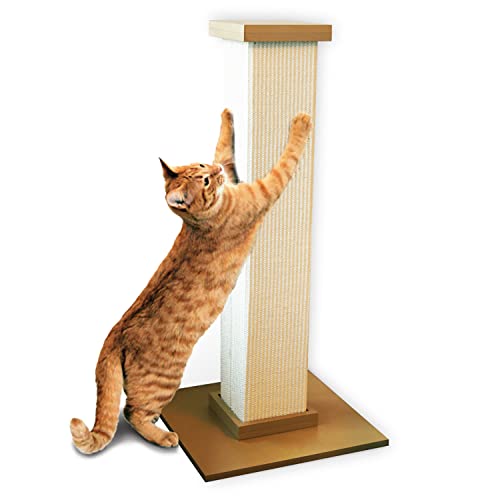
Select a scratching post that meets your feline’s preferences. Vertical and horizontal options are both great, but many felines prefer tall structures that allow for stretching. A post should be sturdy enough to withstand their weight while they scratch.
Materials matter. Sisal is a popular choice for its durability, while carpet can be appealing but may wear down faster. Find a mix of textures to keep your companion interested. Avoid plastic materials as they are often less satisfying for scratching.
Consider the height of the post. It should be at least as tall as your furry friend when standing on their hind legs. Additionally, wider bases ensure stability during vigorous scratching. A heavy base prevents tipping, enhancing their experience.
Evaluate designs. Some posts come with additional features like perches or toys, which can attract attention and encourage usage. Posts that incorporate platforms provide multiple scratching options and lounging spots, catering to dynamic behaviors.
Placement is key. Position the scratching post in an area where your four-legged friend spends most of their time. If they’re drawn to specific furniture, place the post nearby to redirect their behavior effectively.
| Feature | Recommendation |
|---|---|
| Material | Sisal or natural fibers |
| Height | At least the height of the pet on hind legs |
| Stability | Wide and heavy base |
| Design | Multi-functional with toys or platforms |
| Placement | Near favorite resting or play areas |
Placing Scratching Posts Strategically
Positioning scratching structures is critical for redirecting your feline’s attention away from your belongings. Here are specific placement strategies to consider:
Proximity to Favorite Areas
- Identify your pet’s preferred lounging spots. Place a scratching post nearby to encourage interaction.
- Position the post in high-traffic areas where your furry companion enjoys playing or resting.
- If they often stretch or scratch on furniture, place the post close to those locations for easier access.
Avoiding Hidden Corners
- Avoid placing the post in secluded areas. Visibility is key; ensure it’s in an open space where it can be easily seen.
- Ensure the scratching post isn’t blocked by furniture or obstacles, making it hard to approach.
- Consider placing multiple posts in various rooms to reduce the likelihood of boredom.
Experiment with different locations to find the most effective spots. Observe your companion’s behavior to adjust as necessary. Patience and monitoring will lead to successful outcomes.
Using Furniture Covers and Protectors
To safeguard surfaces from sharp claws, consider utilizing high-quality furniture covers. These can be easily fitted over sofas, chairs, and other upholstery types, acting as a barrier against any damage. Look for machine-washable and durable options to ensure long-lasting protection.
Applying Adhesive Strips
Transparent adhesive strips can deter scratching. By placing these along the edges of furniture, I make surfaces less appealing. Cats typically dislike the sticky texture, which encourages them to redirect their attention elsewhere.
Choosing Protective Throws
Investing in stylish protective throws can enhance a space while offering a reliable defense. Choose materials that are both attractive and tough, capable of withstanding daily wear. These can be draped over a couch or chair, easily removed for cleaning.
Regularly rotating and washing these covers and throws can help maintain their appearance and function, providing continuous defense against unwanted marks. By incorporating these strategies, I create an environment that minimizes damage while accommodating my feline companion’s natural behaviors.
Applying Cat-Repellent Sprays
Choose a spray specifically designed to deter felines from engaging in unwanted behavior. Look for formulations that incorporate natural ingredients like citrus or vinegar, as many animals find these scents off-putting.
Before applying, test a small, inconspicuous area of the item to ensure there’s no discoloration or damage. Once confirmed, I spray generously on the targeted surfaces, allowing it to dry. Application frequency should increase during initial use and can be reduced over time as the habit diminishes.
Reapply the repellent after cleaning, as many cleaning products can remove protective barriers. Be mindful of maintaining a pleasant environment; excessive application can lead to overwhelming scents. Monitoring reactions to the spray is essential–if I notice signs of stress in my pet, I might consider switching to a different natural deterrent.
In addition to commercial sprays, homemade alternatives can be effective. Mixing water with essential oils like lavender or lemon in a spray bottle provides an aromatic solution that many animals dislike. Testing different recipes allows for a customized approach suited to my specific household.
Finally, consistency is key. Frequent and regular use, combined with positive reinforcement strategies–such as providing scratching posts–ensures better outcomes in encouraging preferred behaviors while safeguarding valued belongings.
Training Techniques to Redirect Scratching
Introduce a reward-based approach to guide your feline companion toward appropriate scratching behavior. Whenever I catch my pet using a scratching post instead of the couch, I promptly offer a treat. This positive reinforcement encourages a preference for designated areas.
Utilizing Clicker Training
Implement clicker training for more structured learning. Start by rewarding the desired action, like approaching or touching the scratching surface. Each successful interaction gets a click and a treat, solidifying the connection between the action and the reward.
Creating a Routine
Establish a consistent schedule for interactive play sessions. During these times, incorporate scratching post usage as part of the play. Engaging your pet with toys near the post draws attention to it, reinforcing the habit of using that instead of household items.
| Technique | Description |
|---|---|
| Reward-Based Method | Provide treats for using appropriate surfaces. |
| Clicker Training | Use a clicker to mark desired behavior and follow with rewards. |
| Playtime Integration | Incorporate scratching posts into interactive play sessions. |
Consistency in these methods yields positive results over time. Make sure to monitor progress and adjust techniques as needed to maintain your pet’s interest in practicing good habits.
Positive Reinforcement for Good Behavior
Implement rewards immediately after desired actions. Observing your pet using the scratching post or engaging in appropriate behavior allows for timely reinforcement. Treats or verbal praise can effectively encourage this action.
Here are specific strategies to enhance positive behaviors:
- Offer a treat after each successful use of the designated scratching structure.
- Utilize a clicker or similar sound to signal approval when the animal scratches the right surface.
- Provide extra playtime or attention when the animal avoids undesired scratching areas.
Consistency is key. Maintain the same rewards and cues to establish clear understanding. Documenting behaviors can help identify patterns and effectiveness of various strategies.
Incorporate environment enrichment to keep interest high. Interactive toys or climbing structures will shift focus away from unwanted behaviors. Make time to play regularly for enhanced engagement.
Engagement fosters trust, which improves compliance. Building a strong bond can lead to shared understanding of boundaries and desired actions.
Maintaining Your Cat’s Claws
Regular trimming is a straightforward approach to manage your feline’s nails effectively. Aim to trim every 2-4 weeks, using specialized clippers designed for this purpose. Keep a styptic powder nearby in case of minor bleeding. Gently press on the paw pads to expose the claws, making sure to avoid the quick, the pink area, which is sensitive and should be left untouched.
Providing Scratching Options
Encouraging healthy claw maintenance involves offering various surfaces to scratch. Sisal, cardboard, and carpet are excellent materials. Set up multiple scratching avenues around the living space to cater to different preferences. I have noticed that my pet likes to choose specific textures depending on their mood.
Engaging Through Play
Incorporate play sessions with feather wands or laser pointers to redirect your companion’s energy. This will naturally encourage their need to sharpen claws on appropriate objects rather than unsuitable ones. A tired pet is less likely to seek out furniture to scratch.
Avoid frequent punishment as it can create stress, which may lead to more scratching. Instead, be patient and consistently redirect your companion towards their designated scratching locations.
Lastly, consider consulting a veterinarian for advice tailored to specific needs, particularly if nail care is a concern for overall health.
Creating a Stimulating Environment for Felines
Introduce various forms of enrichment like interactive toys, puzzle feeders, and climbing structures. These can significantly divert attention away from your belongings. Regularly rotate toys to maintain interest. Incorporating scratchers made from different materials, such as sisal or cardboard, can also enhance their appeal.
Engage with Regular Playtime
Dedicate daily sessions to play. Use feather wands, laser pointers, or balls to ignite their hunting instincts. Engaging directly will reduce their desire to scratch other surfaces. Vary the duration and type of play to prevent boredom.
Encourage Exploration
Set up vertical spaces like cat trees or shelves, allowing exploration high above the ground. Certain felines enjoy observing from heights, which can keep them entertained and engaged. Create cozy hiding spots with blankets or boxes, promoting a sense of security and curiosity.
By fostering an environment rich in stimulation, it becomes less tempting for them to focus on your furnishings. Redirecting their natural behaviors through these unconventional strategies can lead to a harmonious living space for both parties.
FAQ:
What are some reasons why cats scratch furniture?
Cats scratch for various reasons, primarily to maintain their claws, mark their territory, and stretch their muscles. Scratching helps them remove the dead outer layer of their claws, keeping them sharp and healthy. Additionally, cats have scent glands in their paws, and scratching leaves their scent on the furniture, marking it as their own. This behavior is instinctual and is part of their natural habits.
How can I prevent my cat from scratching my furniture without punishment?
One effective way to prevent scratching is to provide appropriate alternatives such as scratching posts or pads. Place these items near the furniture your cat tends to scratch. Encourage your cat to use these alternatives by rubbing them with catnip or playing with your cat around them. Consistently rewarding your cat with treats or praise when it uses the scratching post can reinforce positive behavior. Additionally, consider using furniture covers or sprays designed to deter scratching.
Are there any training methods to discourage scratching on furniture?
Training your cat to avoid scratching furniture can be done through positive reinforcement. You can start by redirecting your cat towards a scratching post whenever you catch them scratching the furniture. You may also use double-sided tape on the furniture surfaces; most cats dislike the sticky texture. Providing distractions, such as toys or engaging play sessions, can also redirect their energy. Patience is key—cats can learn over time with consistent guidance and encouragement.
What are some protective measures I can take for my furniture?
To safeguard your furniture from scratching, you can use protective covers or slipcovers that are designed to resist claw marks. Furniture protectors made from durable materials can also be placed on areas prone to scratching. Another option is to apply a spray deterrent specifically designed to discourage cats from scratching. Ensure that the products used are safe for both furniture and pets. Regular nail trimming can also reduce damage, as shorter claws are less likely to cause significant scratches.