Caleb Turner

Begin with a fine-grit sandpaper, gently working the edges and corners of your newly coated item. This action unveils the original surface beneath, providing that coveted aged appearance.
Next, apply a layer of clear wax to seal the surface. Opt for a soft cloth to buff it in, ensuring a smooth finish that enhances the texture you’ve just created. This step protects your piece while retaining a matte look.


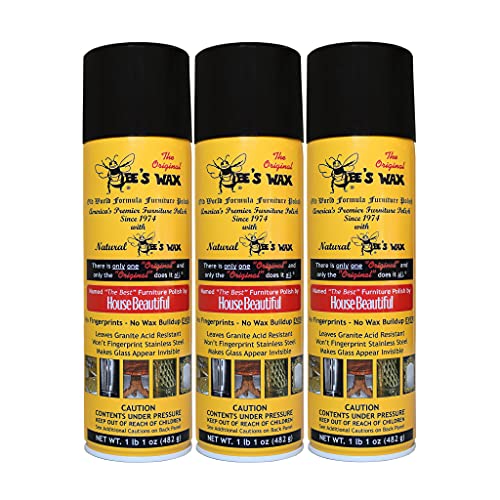
Consider using a contrasting color of wax to highlight specific areas, adding depth and character. This technique can emphasize details like carvings or hardware, enriching the overall aesthetic.
Finally, utilize a damp cloth to wipe away any excess wax, achieving a balanced patina that feels authentic. Regular upkeep with a soft microfiber cloth will maintain that refreshed allure, keeping your item looking stylishly weathered.
Techniques for Weathering Your Pieces
I recommend using sandpaper of varying grits for a refined look. Start with a coarse grit (around 80) to remove some of the finish from the edges and raised areas. Progress to a finer grit (like 220) to smooth out surfaces after your initial pass.
Consider applying a wax or glaze after achieving the desired worn effect. These products can add depth and protect your item. For best results, use a soft cloth to buff the surface, enhancing its allure.
- Use a sanding block for even pressure and control.
- Concentrate on corners, knobs, and other high-contact areas.
- Experiment with different sanding techniques, such as circular motions and straight lines.
Another approach includes utilizing a wet cloth or sponge. Lightly dampen the surface before scrubbing in areas where wear would naturally occur. This technique can create a softer, more organic appearance.
- Identify spots that would exhibit signs of age, such as edges or handles.
- Apply gentle pressure while dampening to avoid excessive removal of the base layer.
Finally, acrylic stains can add character to your creation. Carefully apply a stain with a brush in selected areas to enhance crevices. Wipe off excess immediately to prevent overwhelming the finish.
Test blends on an inconspicuous spot before committing to the entire piece. This allows you to gauge the outcome and adjust accordingly.
Selecting the Right Tools for Distressing
For achieving an authentic worn appearance, I prioritize a few key instruments. First, I select various grits of sandpaper–start with 120-grit for smoothing edges and then progress to 220-grit for finer touch-ups.
Next, I reach for a sanding sponge. It conforms to curves and intricate areas, ensuring no surface is overlooked while creating subtle texture changes.
A putty knife or scraper is invaluable for removing unwanted paint buildup, particularly in crevices. This tool helps me achieve precise detailing without damaging the underlying layer.
I also find a wire brush handy for giving surfaces a more rustic feel, allowing the wood grain to emerge beautifully. It’s excellent for larger flat areas where I want to create more impact.
Finally, I utilize a soft cloth to remove dust and debris between steps, ensuring my progress remains clean and sharp. Keeping my workspace organized also enhances the overall output.
Choosing the Best Chalk Paint for Distressing
I recommend selecting a paint designed specifically for achieving that vintage, worn look. Look for a product that offers a matte finish, as glossy options will hinder the desired appearance during the aging process. Ideally, the paint should have a thick consistency, which allows for better coverage and easier manipulation when working on surfaces.
Key Features to Consider
Opacity is vital; opaque formulations ensure fewer layers and reduce the time spent on each project. Additionally, consider a paint that dries quickly. This feature allows for efficient layering and gives you the ability to experiment without extensive waiting periods. Furthermore, look for a range of colors that inspire creativity, as these tones play a significant role in achieving a naturally aged effect.
Brands Worth Trying
Be sure to explore popular brands known for their reliability and user-friendly products. Some of my favorites include Annie Sloan, Rust-Oleum, and Duckback. These brands offer a variety of shades and textures that facilitate an outstanding outcome. Always check for customer reviews or sample pots to ensure the chosen product meets your expectations before committing to larger quantities.
Ultimately, the right choice can significantly enhance the final result, making it easier to achieve the rustic charm that complements your decor.
Preparing Your Furniture Surface Before Distressing
Before beginning the aging process on your item, ensure the surfaces are clean and primed for optimal results. A clean base helps in achieving a seamless finish.
- Clean Thoroughly: Use a damp cloth to wipe away any dust and dirt. For stubborn stains, a mild soap solution can be effective. Allow the piece to dry completely before proceeding.
- Sand Rough Areas: Gently sand any rough spots with fine-grit sandpaper. This smooths out imperfections and prepares the surface for a more refined look.
- Fill in Imperfections: If your piece has chips or holes, utilize wood filler. Once dried, sand it lightly to ensure a smooth transition with the surrounding areas.
- Test for Adhesion: If unsure about existing finishes, perform a small adhesion test. Apply a bit of your new finish to an inconspicuous spot to check for compatibility.
- Ensure Good Ventilation: Workspace ventilation is key. Ensure that you have adequate airflow to prevent any buildup of fumes from products used during the process.
Taking these steps guarantees a solid foundation for achieving that beautifully weathered effect.
Applying the Distressing Technique with Sandpaper
To achieve a worn look, I use fine-grit sandpaper (220-grit) for subtle effects and a coarser option (120-grit) for more pronounced wear. Choose sandpaper that fits the areas of your piece–round edges benefit from flexible sheets, while flat surfaces can utilize blocks or sanding pads.
I start by lightly sanding corners and edges where natural wear would typically occur. This enhances the depth of character. I move in circular motions or along the grain of the surface to create an organic look. It’s important to periodically check my progress, ensuring that I don’t overdo it. A dust mask is a good idea to keep particles at bay.
Refining the Technique
If I prefer a more dramatic appearance, I switch to the coarser sandpaper to quickly remove more of the finish. After that, I can return to the finer grit to smooth out rough spots. I also make use of a sanding sponge for uneven surfaces, which conforms to the shape and allows for better control.
Final Touches
Once I’m satisfied with the achieved look, I remove any dust using a damp cloth and allow it to dry. If desired, I apply a wax or sealant afterward for protection and added luster, which also gives the piece a more polished finish.
Using a Dark Wax to Enhance Distressed Look
To achieve a rich, aged appearance on your upcycled pieces, applying a dark wax can significantly deepen the visual impact. Choose a wax that complements your underlying base tones; for instance, a walnut or espresso wax works beautifully with light or pastel bases.
Before application, ensure the surface is clean and dry. Use a soft cloth or a brush to apply the wax in small sections. Start with a minimal amount, as it’s easier to add more than to remove excess. Focus on the nooks and crannies where natural wear would occur, such as edges and corners.
After applying the dark wax, let it sit for approximately 10 to 15 minutes. Then, buff the surface using a clean, soft cloth in circular motions. This will not only enhance the depth but also create a subtle sheen.
For a more pronounced effect, layer the wax after the first application has dried for about 24 hours. This technique will allow for greater contrast and a richer texture. Keep in mind that the choice of wax will alter the final tone, so test on a hidden area first to ensure satisfaction with the final look.
| Wax Type | Base Color Compatibility |
|---|---|
| Dark Walnut | Light Colors, Whites |
| Espresso | Pale Pastels |
| Black | Bright Colors, Bold Tones |
| Antique Brown | Natural Wood, Earthy Tones |
By utilizing dark wax judiciously, the antiqued charm of your projects can be significantly amplified, resulting in a sophisticated finish that tells a story.
Experimenting with Different Distressing Methods
To achieve a unique aesthetic, I often experiment with various techniques. Each method can yield distinctive outcomes, so I recommend trying a few to see what resonates best with your vision.
Common Techniques
Here are some popular approaches that I find effective:
| Technique | Description |
|---|---|
| Sandpaper | Using fine or medium grit to remove layers in specific areas creates a natural, worn appearance. |
| Color Washing | Applying a diluted paint mixture can allow the original hue to peek through for depth. |
| Dry Brushing | By lightly brushing on a contrasting color, I add highlights that accentuate details. |
| Chisel Tool | Scraping edges or corners with a chisel gives a rugged look reminiscent of aging. |
| Stains | Applying a darker stain can enhance shadows and add richness to the texture. |
Testing Combinations
Combining methods can lead to even more intriguing results. For instance, I often sand meticulously before applying a color wash. This technique allows the base to shine through and creates a multi-dimensional look.
Don’t hesitate to be unconventional; experimenting with different tools or mixing techniques can lead to something truly unique. What I’ve found is that documenting each method helps track how changes affect the final outcome, enabling better adjustments in the future.
Sealing and Protecting Distressed Furniture
Applying a protective finish is crucial for maintaining the aesthetic and durability of your newly treated surfaces. I recommend using a clear sealer that is compatible with your chosen topcoat, such as polyurethane, water-based sealers, or wax. Each type has its own benefits and application methods, so choose according to your desired outcome.
For a matte finish and slight sheen, I find that a water-based poly offers a simple application and dries quickly. It’s non-yellowing, which keeps colors true over time. Always apply a thin layer with a high-quality brush or foam applicator to avoid bubbles and streaks.
Wax is an excellent choice for a more vintage look, as it enhances the texture while allowing the underlying tones to show through. Apply it with a lint-free cloth, working it into the surface in small sections. After application, buff it with a clean cloth for a soft sheen. Keep in mind that furniture treated with wax may require reapplication every few months, depending on usage.
Regardless of the sealant you opt for, ensure proper ventilation during the application process. Allow adequate drying time between layers to achieve a smooth and even finish. After sealing, test the surface for durability by gently scratching it with a fingernail to ensure it holds up to daily wear.
Lastly, consider the environment where the piece will reside. If it’s in a high-traffic area or exposed to moisture, a more robust seal will offer better protection. Evaluating your space and the expected wear will guide you in selecting the most suitable protective method for your piece.
Maintaining Your Distressed Finish Over Time
To keep the aged look intact, I recommend applying a clear topcoat specifically designed for furniture. This will protect the layer underneath and combat wear from everyday use. Choose a matte or satin finish to maintain the original look while providing durability. A light application every few months will prolong the life of the surface without compromising the aesthetic.
Regular Cleaning Techniques
When it comes to cleaning, use a soft, damp cloth instead of harsh chemicals. Mild soap mixed with water can effectively remove dirt without stripping the finish. Avoid abrasive sponges, as they may scratch the surface and disrupt the texture I worked hard to achieve. For stubborn stains, gently wipe with vinegar mixed with water, then dry immediately.
Environmental Factors
Positioning your item away from direct sunlight and heat sources helps prevent fading or damage. Temperature fluctuations can cause the materials to expand or contract, which may affect the overall integrity of your work. Keeping the piece in a stable environment will preserve the character I’ve created.