
 Caleb Turner
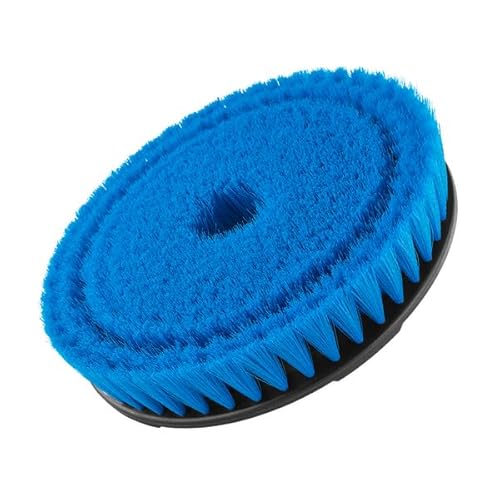
For best results, I recommend soaking the fabric in a solution of mild detergent and warm water for about 30 minutes. This initial step helps to loosen dirt and grime embedded in the textiles. A soft-bristled brush can gently lift stubborn stains without damaging the material.
After soaking, rinse thoroughly with a garden hose to remove soap residues. Make sure to let the pieces dry completely in direct sunlight, as UV rays assist in killing any lingering bacteria and mold. This simple drying technique also helps to keep the items fresh and smelling pleasant.
For persistent stains, I find that a mixture of vinegar and baking soda creates an effective paste. Apply this to the affected areas, let it sit for a while, and then scrub gently with a damp cloth. The natural properties of these ingredients work wonders on tough marks without harsh chemicals.
Protecting these accessories from future stains is equally crucial. I often recommend using a fabric protector spray after cleaning. This adds an extra layer of defense against moisture and pollutants, keeping my items looking new for a longer time.
Cleaning Tips for Outdoor Furniture Cushion Fabric
I recommend using a mild detergent mixed with warm water as the initial solution. Apply it to any stains with a soft cloth or sponge, gently blotting and avoiding harsh scrubbing to prevent fabric damage.
For tougher spots, consider a mixture of white vinegar and water in equal parts. This homemade solution can help lift stubborn marks without chlorine bleach, which can weaken fibers over time.
A soft-bristle brush is useful for loosening dirt embedded in the seams or textures. Rinse thoroughly with clean water after treating the fabric and allow it to air dry completely in a shaded area to prevent fading.
If cushions are machine washable, check labels for specific guidelines. Using a gentle cycle with cold water can be ideal, and ensuring they are completely dried before use helps prevent mold and mildew.
Making a habit of regularly vacuuming to remove dust and debris can extend the life of the material. Consider storing them indoors or using protective covers when not in use, which can drastically reduce accumulated dirt and weather exposure.
Assessing the Material of Your Cushion Covers
Identify the fabric type before any maintenance process. Common materials include polyester, acrylic, cotton, and vinyl. Each has unique properties that dictate the right care methods.
Common Materials and Their Properties
- Polyester: Water-resistant and durable, often easy to wipe clean. Avoid excessive heat during washing.
- Acrylic: Fade-resistant and breathable. Hand-wash or machine-wash on a gentle cycle with cold water.
- Cotton: Soft and comfortable, but absorbs moisture. Use mild detergents and dry thoroughly to prevent mildew.
- Vinyl: Hydrophobic and simple to clean with a damp cloth. Avoid harsh chemicals to maintain its finish.
Identifying Care Labels
Check for care labels that provide specific washing instructions. Understanding these can prevent damage and ensure longevity. If the label is missing, conduct a patch test on a discreet area to examine colorfastness and material integrity.
Regularly inspecting these covers for wear and tear helps in deciding if it’s time for a deeper clean or replacement. This awareness enhances the overall appearance and lifespan of my external furnishings.
Preparing Your Cleaning Solution
I recommend mixing a solution of warm water and mild detergent for optimal results. Begin by filling a bucket with about a gallon of warm water. Then, add approximately two tablespoons of a gentle liquid soap, ensuring it’s free of dyes and fragrances that could cause irritation or damage to materials.
Alternative Solutions
If stubborn stains are present, consider incorporating white vinegar into the mix. Combine one part vinegar with three parts water in a separate container and gently stir. This mixture can effectively tackle mildew, mold, and other tough spots without harsh chemicals.
Testing the Mixture
Before applying any solution, test it on a small, inconspicuous area of the fabric. This step is crucial to ensure colorfastness and to avoid any potential discoloration. Allow the test area to dry and check for adverse reactions before proceeding with the entire area.
Always have a soft-bristled brush or sponge on hand for application. This will help to ensure a thorough yet gentle cleaning without damaging the fabric’s surface.
Removing Loose Dirt and Debris
I recommend using a soft-bristle brush to gently sweep away any loose dirt and debris. Hold the cushion at an angle to let the particles fall off easily. A handheld vacuum can also be beneficial for this step, especially for reaching into seams and crevices.
If available, a leaf blower works effectively for larger areas and can quickly remove dust and leaves. For stubborn grime, I might tap or shake the cushions lightly to dislodge particles before moving on.
Don’t forget to check both sides of each piece; debris often collects on the underside as well. After this step, the surfaces will be primed for the next stage of the cleaning process.
Spot Cleaning Stains on Cushion Covers
Blot stains immediately with a clean cloth to prevent them from setting. For oil-based stains, sprinkle cornstarch and let it absorb for 15 minutes. Afterward, brush off the powder gently.
For food or drink spills, mix a solution of mild dish soap and warm water. Use a soft sponge to apply the mixture directly to the stain, working from the outside inward to avoid spreading. Rinse with a clean damp cloth.
Ink stains require rubbing alcohol. Dab a cotton ball with alcohol and carefully blot the area. Avoid rubbing, as it can spread the ink further.
Mildew can be treated with a mixture of equal parts water and white vinegar. Apply to the affected area, let it sit for 10-15 minutes, then rinse thoroughly.
For stubborn stains, a mixture of baking soda and water can be effective. Create a paste, apply it to the stain, allow it to dry, then brush it off.
Always test any cleaning solution on a small, inconspicuous area before applying it to the stain to ensure it doesn’t cause discoloration or damage.
Machine Washing vs. Hand Washing Techniques
For those unsure whether to machine wash or hand wash their seat padding fabric, I recommend assessing the material first. If it’s durable and machine-safe, go ahead with the washing machine. Use a gentle cycle and cold water to prevent damage.
Machine Washing Method
When using the washing machine, consider the following steps:
- Place the fabric in a laundry bag to protect it during the wash.
- Add a mild detergent that’s suitable for the specific fabric type.
- Set your washer to a gentle cycle to minimize wear.
- Let it air dry instead of using a dryer to maintain shape and avoid shrinking.
Hand Washing Method
If machine washing seems risky, hand washing is a reliable alternative. Here’s how:
- Fill a tub or large basin with lukewarm water and add a few drops of mild soap.
- Immerse the material and gently scrub with your hands or a soft brush.
- Rinse thoroughly with clean water to remove soap residue.
- Blot excess moisture with a towel and let it air dry in a shaded area.
Both methods have their merits. Choose the one best suited to the specific needs of your fabric while keeping durability in mind.
Drying Methods for Cushion Covers
Air drying is the preferred method for moisture removal. Lay the fabric flat on a clean, dry surface outdoors, ensuring it’s in a shaded area to prevent fading. Avoid direct sunlight to preserve color and prevent shrinkage.
Using a Dryer
If the care instructions permit machine drying, select a low-heat setting. For best results, use dryer balls to help the material maintain its shape and prevent clumping.
Quick Dry Techniques
For a quicker drying process, place cushions on a drying rack or a laundry line. If using a fan or a dehumidifier, ensure they circulate air effectively around the fabric. This encourages faster evaporation without heat damage.
| Method | Time | Notes |
|---|---|---|
| Air Drying | 4-8 hours | Best for preserving fabric quality |
| Dryer | 1-2 hours | Use low heat; add dryer balls |
| Quick Dry with Fan | 1-3 hours | Enhances airflow; prevents dampness |
Maintaining Cleanliness and Preventing Future Stains
I recommend applying a fabric protector spray specifically designed for outdoor textiles after washing and drying the items. This creates a barrier that repels moisture and dirt, making future cleanup easier.
Regularly check for any signs of mildew or discoloration. Promptly addressing these issues can prevent further damage. Utilize a mixture of water and vinegar for spot treatment, as it can effectively remove early signs of mold.
Storing these items in a protective cover or designated storage area during the off-season is beneficial. Keeping them out of direct sunlight prevents UV damage and fading, which can weaken the fibers over time.
Whenever possible, shake out or vacuum any loose debris weekly. This simple task not only helps maintain appearance but also extends the lifespan of the fabric.
For additional protection, consider choosing fading-resistant fabrics that are specifically designed for prolonged exposure to the elements. If new items are on your horizon, explore options with outdoor ratings for durability and resilience.
FAQ:
What materials are outdoor furniture cushion covers typically made from?
Outdoor furniture cushion covers are commonly made from synthetic fabrics such as polyester, acrylic, or vinyl. These materials are designed to be durable and resistant to fading, water, and mildew, making them suitable for outdoor conditions. There are also some covers made from natural fabrics like cotton, but these may not perform as well in harsh weather.
How can I remove tough stains from my outdoor cushion covers?
To tackle tough stains on outdoor cushion covers, first check the care label for any specific cleaning instructions. For general stains, mix a solution of mild dish soap and warm water. Apply it to the stained area using a soft brush or cloth, scrubbing gently. For stubborn stains like grease or wine, you can use a mixture of baking soda and water to create a paste. Let it sit for about 15 minutes before rinsing with cool water. Always test any cleaning solution on a small, hidden area first to ensure there is no damage to the fabric.
Can I machine wash my outdoor cushion covers?
Many outdoor cushion covers are machine washable, but it’s important to check the manufacturer’s care instructions first. If they are machine washable, use a gentle cycle with cold water and a mild detergent. Avoid using bleach or fabric softeners as these can damage the fabric. After washing, let the covers air dry or tumble dry on a low heat setting. Be sure to reshape them while damp to maintain their original form.
What can I do to prevent mold and mildew on my cushion covers?
To prevent mold and mildew growth on outdoor cushion covers, it’s best to store them in a dry, cool place when not in use. Regularly clean the covers using a mild soap solution and ensure they are completely dry before putting them away. If you live in a very humid climate, consider using protective sprays that are designed to repel moisture and mildew. Additionally, during wet weather, make sure to cover or bring in the cushions to minimize exposure to moisture.
Is there a special way to clean waterproof cushion covers?
Waterproof cushion covers typically require less maintenance, but they can still attract dirt and grime. For cleaning, simply wipe them down with a damp cloth and mild soap. If there are stubborn spots, a soft brush can be used to scrub the surface gently. Avoid aggressive scrubbing to prevent damaging the waterproof coating. Rinse the covers with clean water afterward and allow them to air dry completely before using them again.
What are the best methods to clean outdoor furniture cushion covers?
To clean outdoor furniture cushion covers, you have a few effective methods. First, check the care label for specific cleaning instructions. For a general clean, you can mix mild soap or detergent with warm water in a bucket. Using a soft brush or cloth, scrub the covers gently to remove dirt and stains. Rinse thoroughly with a hose to avoid soap residue. For machine washable covers, follow the manufacturer’s guidelines and use a gentle cycle. If there are stubborn stains, a mixture of white vinegar and water can also be effective. Always let the covers air dry in a shaded area to prevent fading from direct sunlight.


