Caleb Turner
To ensure the longevity of your high-quality seating, I recommend using a mild soap solution mixed with water for surface wiping. Dampen a soft cloth with this mixture and gently rub the area, avoiding soaking the fabric.
After treating the surfaces, apply a conditioner specifically designed for this type of material. This helps restore moisture, reducing the chances of cracking or drying out. I find that doing this every few months keeps the natural luster intact.
In cases where stains occur, it’s best to act quickly. Blot the stain with a clean cloth–never rub it, as that may spread it further–and use a dedicated stain remover meant for this material. Following these steps yields impressive results without damaging the surface.
Cleaning and Sanitizing Upholstered Surfaces
Mix equal parts distilled water and white vinegar in a spray bottle. Lightly mist the solution onto a soft cloth rather than directly onto the material. Wipe the surface gently, ensuring not to oversaturate. The vinegar aids in eliminating bacteria while being safe for the material.
For stubborn stains, consider a mixture of mild soap and water. Use a clean cloth to apply the soapy water and gently scrub. Rinse with a damp cloth afterward to avoid residue buildup.
Once the cleaning process is complete, it’s advisable to apply a specialized conditioner specifically made for your item. This will help maintain its suppleness while creating a barrier against spills and dirt.
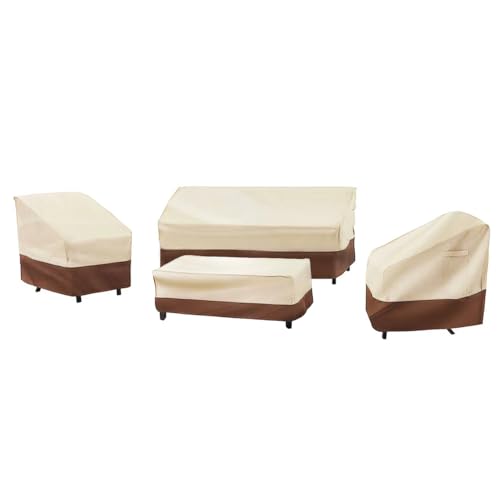
When not in use, protect these surfaces from sunlight to prevent fading and cracking. Place a soft throw blanket or sectional cover for extra protection against everyday wear and tear.
Regular checks for any signs of damage or wear are beneficial, allowing for timely repairs. If any area begins to show significant wear, consider reaching out to a professional for restoration services.
To maintain freshness, I suggest ventilating the space adequately. Keep windows open at times to allow natural air flow, which helps reduce odors.
Understanding Different Types of Leather
Recognizing the distinctions among various kinds of hides is key for proper maintenance. The most common options include full-grain, top-grain, corrected-grain, and bonded types. Each possesses unique characteristics that influence care strategies.
Full-Grain
Full-grain is the most robust variety, retaining the hide’s natural texture. This type ages beautifully and develops a patina over time. For upkeep, a gentle approach is necessary; specialized products designed for natural finishes are ideal to prevent damage.
Top-Grain
Top-grain is sanded and treated to achieve a smoother surface, making it more resistant to stains than full-grain. Though slightly less durable, it remains sophisticated. Use mild pH-balanced solutions for upkeep, ensuring to test any agent in a discreet area first.
Corrected-grain involves a more manipulated surface to remove imperfections. It’s often less expensive but may not have the same longevity. Seek out specific conditioners made for treated surfaces. Lastly, bonded leather comprises scraps glued together, being the least durable option. It’s advisable to avoid moisture to maintain its integrity.
Gathering the Right Cleaning Supplies
For maintaining the quality of your seating and upholstery, assembling the proper items is critical. Here’s what I recommend.
Must-Have Items
- A microfiber cloth is non-abrasive and ideal for wiping surfaces.
- A soft-bristle brush can help remove dust from crevices.
- A dedicated leather conditioner promotes suppleness and prevents cracking.
- A gentle soap, like castile, effectively removes dirt without damage.
- A spray bottle for mixtures to avoid oversaturation.
- Distilled water prevents mineral deposits from tap water.
Optional Supplies
- White vinegar acts as a natural disinfectant and can be mixed with water.
- A specialized leather cleaner may offer targeted solutions for stubborn stains.
- Accessories like cotton swabs assist with intricate or hard-to-reach areas.
Ensure that all items are compatible with your material type to prevent any potential harm. Having the right supplies will make the process smoother and ensure lasting results.
Preparing Furniture for Cleaning
Before I begin working on my seating, I ensure to remove all items placed on or around it. Cushions, throws, and any other accessories should be taken away. This step creates an unobstructed area, allowing me to thoroughly inspect the surface for stains or damage.
Inspecting for Damage
I closely examine the material for any cracks, tears, or other signs of wear. If I spot any issues, I consider consulting a professional before moving forward, as improper handling could exacerbate the condition. Noticing these details aids me in determining the best approach for maintenance.
Testing Products
Prior to applying any cleaning agents, I perform a patch test on an inconspicuous spot. This way, I can check for adverse reactions without risking visible areas. Once I confirm safety, I proceed with confidence, equipped to tackle the cleaning process effectively.
Removing Dust and Debris
I recommend using a soft, microfiber cloth to gently wipe down the surface of your seating pieces. This material effectively traps dust without scratching the surface. Start high and work downwards to avoid redistributing dirt.
Regular Maintenance
Schedule regular dusting, ideally once a week, to prevent buildup. For stubborn particles, I lightly dampen the cloth with plain water, ensuring it is not overly wet. Excess moisture can harm the material.
Using the Right Tools
A soft-bristled brush can be beneficial for crevices and seams where dust tends to accumulate. I use an old toothbrush or a specialized upholstery brush for this purpose. This helps reach areas that cloths can’t, ensuring a thorough removal of debris.
If your seating features removable cushions or covers, I take the opportunity to clean them separately. Vacuuming these parts can provide an additional layer of cleanliness by removing trapped dust and allergens.
Utilizing these techniques keeps your seating looking fresh and prolongs its lifespan. Regular upkeep aids in maintaining its appearance and enhancing comfort.
Cleaning Stains: Methods for Different Types
For grease marks, blot excess immediately with a cloth, then apply talcum powder or cornstarch. Let it sit for a few hours before gently brushing off with a soft brush. If any residue remains, a small amount of mild soap diluted in water can be used for further treatment.
Alcohol-based stains like ink require swift action. I dab the area with a cotton ball soaked in rubbing alcohol, using gentle pressure. Avoid soaking; instead, let it air dry completely. Follow with a leather conditioner to restore moisture.
Water-based stains, such as drinks, are treated differently. I blot spillages without rubbing and let the area dry naturally. If a watermark appears, a mix of equal parts vinegar and water can help. Apply it sparingly, and always follow up with a conditioner once dry.
For dried stains like food, use a soft brush to remove debris. A damp cloth with a slight soap mixture can then be applied gently. Always test any solution on an inconspicuous area first.
While cleaning specifics may vary, the key is to be gentle and consistent across methods. Each treatment ensures surfaces remain intact and maintains the aesthetic appeal.
| Stain Type | Method |
|---|---|
| Grease | Blot, apply powder, brush off |
| Ink | Apply alcohol, air dry |
| Water | Blot, vinegar-water solution |
| Food | Brush, damp cloth with soap |
Disinfecting Leather: Safe Solutions to Use
I prefer using natural options for sanitizing surfaces made from animal hide. Vinegar diluted with water serves as a powerful, yet gentle cleaner. Mix equal parts of white vinegar and distilled water in a spray bottle, lightly mist the surface, and wipe with a soft cloth.
Essential Oils for Added Protection
Incorporating essential oils can enhance the efficacy of the vinegar solution. Tea tree oil and lavender oil are particularly useful due to their antimicrobial properties. Add 10-15 drops of your chosen oil to the vinegar mixture for an aromatic touch and additional defense against germs.
Alcohol-Based Solutions
Isopropyl alcohol is another effective agent. Combine one part of alcohol with two parts of water. Use this solution to lightly dampen a cloth for wiping down surfaces. Avoid soaking, as excess moisture can damage the material.
Safety Precautions
Before applying any substance, always test it on an inconspicuous area to ensure it doesn’t cause discoloration or damage. Ventilation is key; ensure the space is well-aired during application. Vacuum prior to applying solutions to remove loose particles which could scratch the surface.
- Avoid bleach and harsh chemicals, as they can harm the texture.
- Store cleaning mixtures in a cool place to maintain their effectiveness.
Consistent maintenance with these methods will keep items in excellent condition while ensuring a hygienic environment.
Maintaining Leather After Cleaning
Regular conditioning is vital to keep the material supple and prevent drying. I use a high-quality conditioner suited for the specific type of hide I have. Applying it every 3-6 months helps retain moisture and adds a protective layer. Always follow the instructions on the product for the best results.
Protecting from Future Damage
To shield the surface from stains and scratches, I place throws or decorative blankets in high-traffic areas. Additionally, using coasters and trays for drinks prevents accidental spills. I make it a habit to reposition items like lamps and vases occasionally to avoid uneven fading.
Routine Care Tips
I find that dusting with a soft, dry cloth weekly maintains the appearance. For small scuffs, a damp cloth often works wonders. When I notice any marks, I address them as soon as possible to avoid permanent damage. It’s helpful to maintain a consistent environment with temperature and humidity control to minimize wear on the hide.
FAQ:
What are the best cleaning products for leather furniture?
When choosing cleaning products for leather furniture, it’s advisable to select those specifically formulated for leather. Look for a pH-balanced cleaner that does not contain harsh chemicals or solvents. Natural options like a mixture of mild soap and water can be effective as well. Also, consider using a dedicated leather conditioner after cleaning to preserve the material’s suppleness and appearance.
How do I remove stains from my leather couch?
To remove stains from leather, act quickly by gently blotting the stain with a clean cloth. For water-based stains, a damp cloth can help. For oil-based stains, use a leather cleaner or a small amount of cornstarch or baby powder to absorb the grease. Allow the powder to sit for a few hours before brushing it off. If the stain persists, consider consulting a professional cleaner to avoid damaging the leather.
How often should I clean and disinfect my leather furniture?
Regular cleaning of leather furniture is important for maintaining its appearance and longevity. It’s typically recommended to clean your leather furniture every 1-3 months, depending on usage and exposure to dirt or spills. Disinfecting can be done less frequently, perhaps every 6-12 months, or as needed, especially in high-traffic areas or after a cold or flu season.
Can I use vinegar to clean leather furniture?
Using vinegar on leather can be risky, as its acidity can damage the leather’s finish. If you choose to use it, it’s advisable to dilute the vinegar with equal parts water and test it on a hidden area first. A mixture of vinegar and water can help remove some stains, but it should be used sparingly and never replaced as the primary cleaning method.
What should I do if my leather furniture has scratches?
Minor scratches on leather furniture can often be minimized using a leather conditioner or cream that matches the color of your furniture. Gently rub the scratched area with a soft cloth in circular motions until the scratch blends with the surrounding leather. For deeper scratches, filling them with a leather repair kit may be necessary, or professional assistance might be needed for more significant damage.
What are the best products to use for cleaning leather furniture?
When it comes to cleaning leather furniture, it’s best to choose products specifically designed for leather care. A gentle leather cleaner is ideal, as it can effectively remove dirt and grime without damaging the material. Additionally, a pH-balanced solution can help maintain the leather’s natural oils. It’s also possible to use a homemade solution of equal parts distilled water and white vinegar, which can be effective for light cleaning. Always test any cleaner on a small, inconspicuous area first to ensure it does not discolor or damage the leather.