
 Caleb Turner
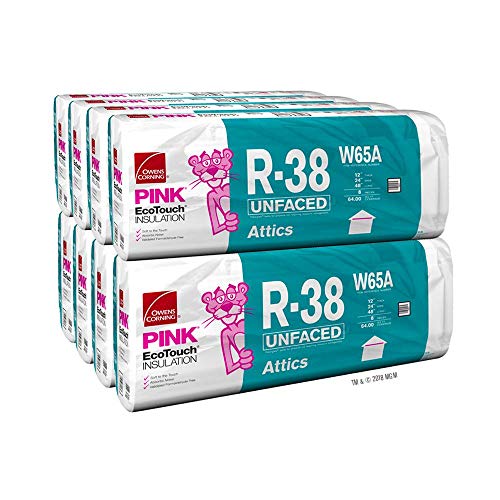
Maintain a minimum distance of at least 10 to 15 centimeters from the apex of the roof structure to ensure proper airflow and prevent moisture buildup. This spacing allows for adequate ventilation, which is crucial in retaining energy efficiency and prolonging durability of the building materials.
Placement beyond this threshold can lead to issues like condensation, mold growth, and reduced thermal performance. To achieve maximum effectiveness, I use a measurement technique that involves aligning the insulating material precisely without obstructing airflow from existing vents or soffits.
A common practice is to install a barrier along the rafters, ensuring a consistent thickness while leaving space for airflow channels. Ensuring that air can circulate freely will enhance the overall performance and comfort of the space beneath.


How Close to the Eaves Should Loft Insulation Be
Positioning the thermal barrier at least 10 centimeters away from the roofline maximizes airflow and minimizes moisture buildup. This gap is critical, as it allows for proper ventilation, reducing the risk of mold and structural damage.
In attics with sloped ceilings, maintaining a similar distance helps prevent cold spots and promotes uniform temperature distribution. I find that using ventilation channels or baffles to ensure this space remains unobstructed guarantees healthy air circulation throughout the area.
Always check local building regulations; they might dictate specific requirements for this setup. By adhering to these guidelines, I ensure long-lasting performance and enhanced energy efficiency.
Regular inspection and maintenance of this spacing are key. When I make adjustments or conduct repairs, I verify that insulation is correctly placed, ensuring that building integrity and comfort are upheld.
Understanding the Importance of Eaves Clearance
Maintain a minimum gap of 10 cm between your thermal material and the lower edge of the roof structure. This distance permits adequate air circulation and prevents moisture buildup, which can lead to mold growth and structural issues. Proper ventilation is necessary to allow warm air from the living space to escape and avoids overheating of the upper attic region.
Incorporate ventilation baffles or channels if your thermal layer extends to meet the edge. These items facilitate airflow from the soffits, preventing insulation from blocking the flow while ensuring fresh air enters the attic space. Using these aids keeps the environment dry and healthy.
Consider an inspection of existing vents before applying any covering materials. Adequate airflow is critical in maintaining the longevity of roofs. Lack of it can result in increased energy costs and potential damage to other structural elements, such as rafters and sheathing.
Regularly check for signs of condensation or dampness near the edges. If you find problems, assess the ventilation system promptly and make necessary adjustments. This proactive approach helps maintain integrity and comfort within the home, contributing to overall energy savings and performance.
Recommended Distance for Insulation Material
Maintain a gap of at least 50mm from the underside of the roof decking to ensure proper ventilation. This distance allows air to circulate, preventing moisture buildup and avoiding potential damage to roofing materials.
Key Dimensions to Remember
- Minimum clearance: 50mm from roof decking.
- Aim for a minimum airflow space of 25mm along the perimeter.
- Consider an expansion allowance to adapt to seasonal changes.
Additional Guidelines
- Install breathable membrane to support ventilation.
- Use insulation boards that fit snugly without compressing.
- Ensure no blockages in ventilation channels throughout the structure.
Common Mistakes in Insulation Near Eaves
Many overlook the need for ventilation while placing materials adjacent to the roofline. Blocked airflow can lead to moisture accumulation, fostering mold growth and structural damage.
Another frequent error is using inappropriate types of materials. Not all substances perform well in cooler areas close to the roof, diminishing their effectiveness over time.
Recklessly compressing insulation can cause significant thermal bridging, undermining energy efficiency. Always maintain proper thickness for optimal performance.
Failing to create a barrier between insulation and roofing systems is another pitfall. This can allow for harmful interactions that promote decay.
Inadequate knowledge of local building codes may lead to non-compliance issues. Familiarize yourself with regulations to avoid complications during inspections.
Many individuals underestimate the importance of aligning insulating materials properly. Misalignment can create gaps, which diminishes the overall energy performance of the space.
Concealing existing structural elements, like rafters or vents, can also hinder functionality. Always ensure that critical components are free from obstruction.
Regular inspections post-installation are often neglected. Checking the setup periodically prevents small issues from evolving into major problems.
Local Building Codes and Regulations
Local regulations typically require that materials used in attic spaces maintain a minimum distance from roof edges to prevent moisture issues and allow for proper ventilation. Depending on jurisdiction, this distance can vary from 25mm to 100mm. Adhering to these specifications is crucial for compliance.
Many municipalities may specify types of materials permitted for installation near rooflines. It’s essential to consult these local guidelines to ensure chosen products meet safety standards and do not pose risks such as fire hazards or mold growth.
Building inspectors often review installations to verify adherence to relevant codes. Documentation such as installation manuals and product data sheets may be requested during inspections to validate compliance with prescribed standards.
Periodic updates to local building codes can introduce new standards or modify existing ones. Staying informed about these updates ensures ongoing compliance and can prevent potential penalties or required rework.
Before beginning any project, reviewing local regulations with a professional or specific building authority guarantees all aspects of your work adhere to the latest requirements. This proactive approach saves time and resources while ensuring a safe environment.
Impact of Insulation on Roof Ventilation
Maintaining proper airflow in the attic space is critical for the longevity of roofing materials and overall home health. Insulation placement directly influences ventilation, as it can obstruct airflow paths if not done correctly.
Installed too closely to roofing edges, thermal barriers can lead to moisture buildup, resulting in mold and deterioration. Keeping a gap of at least 50mm (2 inches) from the bottom of the rafters allows air to enter from soffit vents and exit at ridge or gable vents.
The following factors illustrate how thermal barriers affect airflow:
- Moisture Management: Improper airflow traps moisture, risking structural damage.
- Temperature Regulation: Unobstructed airflow helps in regulating attic temperatures, preventing heat buildup.
- Pest Prevention: Good ventilation deters pest infestations, which thrive in damp environments.
To maximize airflow:
- Install baffles or vent chutes to direct airflow from soffits.
- Ensure vents remain clear of debris.
- Regularly inspect the attic for signs of moisture or pest activities.
Efficient ventilation paired with appropriate thermal barriers enhances energy efficiency and fosters a healthier living environment. Always consult with an expert to ensure compliance with local standards and best practices regarding ventilation and insulation interaction.
Choosing the Right Insulation Type for Eaves
Mineral wool or fiberglass are preferred materials for optimal performance near boundaries. Consider using a rigid foam board for energy efficiency. Both types offer distinct advantages such as moisture resistance and superior thermal properties.
Evaluate the R-value necessary for your climate. Higher R-values provide better thermal resistance, which is significant in regions with extreme temperatures. For instance, an R-value of 38 is commonly recommended for colder climates.
Installation method can impact overall results. Ensure snug fits to minimize air gaps, which can lead to inefficiencies. Proper layering and staggered joints enhance thermal performance and limit thermal bridging.
Moisture control is paramount. Choose materials with vapor barriers that suit your specific environment. This prevents condensation, mold growth, and damage to structural components.
Utilizing soundproofing options may be beneficial for residential structures. Mass-loaded vinyl or resilient channels can aid in sound attenuation while also contributing to thermal management.
| Insulation Type | Advantages | Considerations |
|---|---|---|
| Mineral Wool | Fire-resistant, moisture-wicking | Higher cost, requires professional installation |
| Fiberglass | Cost-effective, wide availability | Potential for airborne particles, requires protective gear |
| Rigid Foam Board | High R-value, moisture-resistant | More expensive, challenging to install without gaps |
Regular inspection is vital. Look for signs of wear or moisture damage, ensuring longevity of materials used in this area. A proactive approach to maintenance preserves home integrity and efficiency.


