
 Caleb Turner
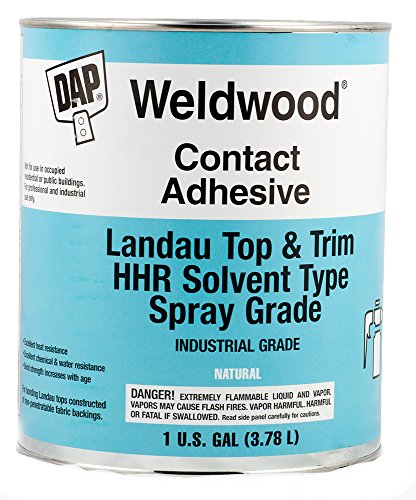
To restore deteriorating upholstery, I recommend utilizing a specialized repair kit, which includes adhesive and patches designed specifically for synthetic materials. Start by cleaning the affected area with a mild soap solution to remove any dirt and oils that may hinder adhesion.
After ensuring the surface is dry, carefully apply the adhesive included in your kit to the damaged section. Press a patch over the area, ensuring it’s well-adhered and smoothing out any air bubbles. For a seamless finish, trim the patch carefully to match the contours of your item.
Once the adhesive is cured, consider applying a color-matched dye or sealer to blend the repair with the original fabric. This step not only enhances appearance but also provides an extra layer of protection from future wear and tear.


Restoring Damaged Upholstery
I recommend using a high-quality vinyl repair kit to restore the damaged areas. These kits typically include a color-matched adhesive, patches, and tools for application. Begin with cleaning the surface to remove any dirt and grease. Apply the adhesive according to the instructions, ensuring a smooth, even layer. If using a patch, carefully place it over the damaged area and press it down firmly. Allow it to cure completely before handling.
Color Matching and Finishing Touches
Select a color that closely resembles the original finish. Many repair kits offer color blending options, which allows for better integration with the surrounding material. After the adhesive dries, consider applying a protective sealant to enhance longevity. A sealant can provide added resistance against wear and tear, ensuring the repair blends seamlessly with the overall appearance.
Identify the Type of Damage on Your Synthetic Upholstery
Examine the surface closely to determine the specific issue affecting your material. Look for distinct characteristics that can guide your repair process.
- Surface Flaking: If you notice small pieces of the top layer coming off, this suggests the coating is damaged. This type may be treated with a restorative product.
- Cracking: Cracks usually indicate wear and the material’s plasticity has departed. Lightly flex the area to see if the cracks widen, which could suggest a deeper issue.
- Stains or Discolorations: Various stains indicate more than just cosmetic issues. Identify substances causing the discoloration for proper cleaning or treatment plans.
- Rips or Tears: For larger cuts, inspect the surrounding area to assess if the integrity is still intact, which may influence how I need to repair it.
- Color Loss: If fading occurs, consider whether it’s from sunlight exposure or cleaning agents. Treatment will vary based on the underlying cause.
After identifying the type of damage, I can decide on the right approach to restore the integrity and appearance of the upholstery.
Gather Necessary Repair Materials and Tools
I recommend assembling the following materials for a successful restoration task:
Adhesives and Filler
Strong adhesive specifically formulated for synthetic materials is vital. Look for a flexible glue that accommodates movement without compromising the bond. Additionally, a filler or patch kit will help address deeper damage, allowing for seamless repairs.
Repair Kits and Coloring Agents
Purchase a repair kit designed for artificial coverings, which typically includes various colors, patches, and application tools. Color-matching agents can ensure that any touch-up blends perfectly with the existing surface, enhancing the overall appearance.
Prepare tools such as a utility knife, scissors, and clean cloths to trim and apply materials neatly. A small sponge or brush aids in even distribution of adhesives and fillers. Don’t forget to wear gloves for protection during the process.
Clean the Affected Areas Before Repairing
The first step I take is to thoroughly clean the damaged spots. I use a mild soap and warm water solution, applying it with a soft cloth to remove any dirt or oils. It’s crucial to avoid harsh chemicals that can worsen the condition of the material. I gently scrub the area, ensuring I reach any cracks or crevices.
Dry the Surface
Once I’ve cleaned the areas, I ensure they dry completely. A dry towel helps absorb excess moisture. This step is important, as any remaining dampness can affect the adhesion of the repair products later on.
Inspect for Residue
After the cleaning process, I inspect for any residues that might remain. If I see anything sticky or greasy, I repeat the cleaning to ensure the surface is pristine. A clean area is vital for achieving a smooth repair.
Choose the Right Repair Method for Peeling
Selecting the appropriate technique to address the deterioration of your synthetic upholstery is crucial for achieving lasting results. First, assess the extent of the problem and choose from the following approaches:
- Patch and Adhesive: For small areas of damage, using a patch along with a strong adhesive can be effective. Cut a piece of matching material to size and apply it with fabric glue.
- Heat and Bonding: For slightly larger tears, a heat-activated tape can be beneficial. Carefully place the tape beneath the damaged section and use a heat source to bond it.
- Fabric Paint: If the surface has a few scuffed areas, fabric paint or dye can conceal the imperfections. Ensure the product is compatible with synthetic materials for optimal results.
- Full Restoration Kit: For extensive wear, consider a complete restoration kit specifically designed for synthetic surfaces. These kits typically include fillers, colorants, and tools.
Evaluate the damage before moving forward. For minimal scratches, a simple touch-up can suffice, while larger issues might require a more complex solution. Always test any new products on an inconspicuous area first to ensure color matching and adhesion.
Consider Professional Help
If the damage is severe or your attempts do not yield satisfactory outcomes, consulting with a specialist may be necessary. Professionals often have access to advanced materials and techniques unavailable to consumers.
Apply Repair Products and Techniques Accurately
I recommend using a small brush or applicator for precision when applying repair products. This helps target the damaged areas without affecting the surrounding surface. Choose adhesives or coatings designed specifically for synthetic materials, ensuring compatibility with the texture and color of your item.
Layering for Durability
For best results, apply the repair material in thin layers. Allow each layer to dry completely before applying the next one. This not only strengthens the overall repair but also provides a smoother finish. After the final layer, use a gentle sanding block or sponge to blend any uneven edges.
Sealing the Repair
Once satisfied with the appearance, seal the repaired section with a clear protective finish. This step guards against future damage and enhances durability. Always test the sealant on a small, inconspicuous area first to ensure compatibility and desired results.
Maintain and Protect Material After Repair
Regular care is key to extending the longevity of your renovated item. Start by avoiding direct sunlight exposure, as UV rays can cause fading and deterioration of the surface. Use protective covers when not in use to minimize wear and tear.
Routine Cleaning
Dust the surface weekly with a soft, dry cloth. For deeper cleaning, mix mild soap with water and gently wipe down the area using a damp cloth. This removes grime without damaging the surface. Always dry the area immediately to prevent moisture absorption.
Conditioning and Guarding
Applying a suitable conditioner every few months will keep the texture supple. Look for conditioners specifically designed for synthetic materials. After applying, buff the surface with a clean cloth to achieve a uniform finish. Additionally, use a protective spray to create a barrier against stains and spills, ensuring the finish remains pristine.
| Maintenance Task | Frequency |
|---|---|
| Dusting | Weekly |
| Deep Cleaning | Monthly |
| Conditioning | Every 3 months |
| Applying Protective Spray | Every 6 months |
By integrating these practices into your routine, you will enhance the durability of the material and maintain its aesthetic appeal long after the repair process.


