
 Caleb Turner
Pour a small amount of water onto the affected area, ensuring it is damp but not soaked. Place a clean, dry cloth over the spot and gently press an iron set to low heat on top. The moisture will help relax the fibers, allowing them to return to their original shape. Be cautious to avoid direct contact between the iron and the cloth.
If the initial attempt doesn’t yield the desired results, consider using a soft-bristle brush to fluff the fibers. Gently rub the area in different directions to restore the pile. For persistent impressions, a mixture of vinegar and water can be sprayed lightly to help rejuvenate the texture before repeating the heating method.
Regular maintenance and immediate attention to these impressions can prevent them from becoming permanent. Alternating the arrangement of heavy objects can also reduce the chances of indentations forming in the future, preserving the integrity of your flooring.
Repairing Indentations on Your Rug
Moisten a clean cloth with water and gently rub the affected area to relax the fibers. This method helps to restore the original shape. After this, use a soft-bristle brush to lift the fibers back up to their intended height.
Utilizing Ice Cubes
For deeper impressions, place ice cubes in the dent and allow them to melt. The moisture will help the fibers expand. Once the area is wet, fluff it with your fingers or a brush to revitalize its texture.


Heat Application
If the previous methods don’t yield satisfactory results, a warm iron can come in handy. Place a thin cloth over the area and press the iron on low heat for a few seconds. The steam will rejuvenate the fibers. Be cautious to avoid direct contact between the iron and the fabric.
Identifying the Type of Carpet Fibers
To effectively address issues with deep-set impressions on your flooring, begin by determining the fiber type. The most common materials include nylon, polyester, wool, and olefin. Each has unique characteristics that affect their responsiveness to care methods.
Nylon
Nylon is renowned for its durability and resilience, which makes it a popular choice in residential settings. It often bounces back after pressure is released, but can be prone to staining if not cleaned promptly. A gentle brushing with a soft bristle brush can help lift the fibers back into place.
Polyester
Polyester boasts vibrant color retention and is resistant to fading. While relatively soft, it can flatten more easily under weight. To rejuvenate these fibers, using steam may assist in restoring the original shape by relaxing the fibers without damaging their structure.
Wool fibers are naturally resilient, providing excellent recovery from compression while also being resistant to dirt and stains. A mixture of water and vinegar applied lightly can help release crumpled areas and maintain their quality.
Lastly, olefin, which is often found in outdoor carpets, is moisture resistant but less durable. Manipulating the fibers manually combined with low heat can help restore their shape without risking damage.
Ultimately, understanding which fiber you have will guide you in selecting the most appropriate restoration method, ensuring your flooring remains in good condition.
Choosing the Right Tools for Repair
I recommend gathering a few specific items to tackle those unsightly impressions left by heavy pieces. First, a steam iron is indispensable; it effectively revitalizes the fibers through gentle heat. Ensure you have a clean cloth or towel to protect the carpet while utilizing steam.
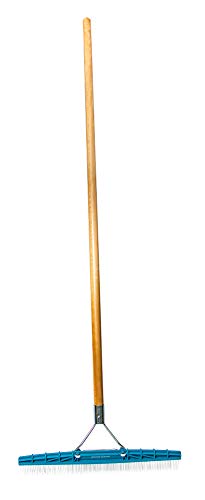
A soft-bristle brush is also crucial. This tool can help lift the flattened fibers during the restoration process. Additionally, a pair of tweezers can assist in rearranging stubborn strands. For certain carpets, a specialized carpet rake can add an exceptional finish by aligning the fibers seamlessly.
Another practical item is a spray bottle filled with water, which helps to slightly dampen the area before applying heat. In some cases, a mild fabric cleaner can be beneficial if stains accompany the impressions; test it in an inconspicuous area first.
Lastly, having a pair of scissors on hand may come in handy for trimming any stray or excessively frayed fibers after restoration. With these tools, I feel confident in addressing those unwanted indentations effectively and restoring the look of the flooring surface.
Using Ice Cubes to Remove Indentations
To eliminate depressions on your flooring, I recommend using ice cubes. This method effectively rejuvenates the fibers, making them stand upright again.
Here’s how I do it:
- Gather a few ice cubes and place them directly into the indented areas.
- Let the ice melt completely. This typically takes about 30 minutes, giving moisture time to seep into the fibers.
- After the ice has melted, take a clean, dry cloth or paper towel and gently blot the area to absorb any excess water.
- To enhance the process, gently rub the fibers with your fingers or the edge of a spoon. This helps fluff them up further.
It’s important to allow the spot to dry completely before walking on it, which might take a few hours. If necessary, repeat the process for deeper impressions until the appearance improves. This technique is simple yet effective in restoring the look of your flooring.
Applying Steam for Stubborn Indentations
Utilizing steam is an effective method for addressing persistent depressions left by heavy objects. A garment steamer or steam iron can work wonders in restoring the fibers to their original shape.
Begin by ensuring the carpet is clean and dry. If using a steam iron, set it to a low heat setting without steam for initial preparation. Hold the appliance a few inches above the affected area to prevent scorching.
Once prepped, direct steam onto the indentation for a few seconds. This process loosens the fibers. Immediately after steaming, use a soft brush to gently fluff the area. This action helps lift the fibers while they are warm and pliable.
Tips for Effective Steam Application
1. Maintain a safe distance to avoid damage to the material.
2. Pat the area with a clean cloth after steaming to absorb excess moisture.
3. Allow time for the area to dry completely before walking on it.
Common Mistakes to Avoid
| Common Mistake | Advice |
|---|---|
| Too much steam applied | Keep the steam brief and controlled to avoid saturation. |
| Using high heat | Always opt for lower settings to prevent burning fibers. |
| Ineffective brushing | Brush gently and consistently to encourage fibers to stand upright. |
By following these steps and tips, I’m confident that restoring those stubborn depressions can be accomplished successfully.
Brushing Techniques for Restoring Carpet Pile
After addressing the indentation issue, I focus on revitalizing the fiber texture. One effective method is brushing, which can reinstate the original appearance of the flooring material.
Here’s how I approach this:
- Choose a brush with soft bristles; a carpet rake or a grooming brush works well without damaging the fibers.
- Begin at the outer edges of the affected area, moving toward the center. This helps to lift the fibers gradually.
- Use a gentle lifting motion rather than a scrubbing action. This prevents further flattening of the fibers.
- For looped materials, combing with a wide-toothed tool can help to untangle and raise the loops.
- After brushing, I often vacuum the area to remove any loosened debris and further enhance the overall look.
Brushing not only restores the pile but can also improve the tactile quality of the surface, making it feel fresher and newer.
Preventing Future Furniture Imprints
Utilizing furniture coasters is a practical step to avoid indentations. These small discs evenly distribute the weight, reducing pressure on your flooring.
Regularly rotate and rearrange furniture can also help. Shifting pieces every few months minimizes the chances of permanent deformations by exposing different carpet areas to weight.
Consider using area rugs beneath heavier items. This additional layer acts as a buffer, preserving the integrity of the underlying fibers and offering a decorative touch.
Opt for lightweight alternatives for frequently moved items. By selecting lighter materials, I can easily shift furniture, preventing prolonged pressure on any spot.
Maintain consistent humidity levels in the space. Low humidity can cause fibers to become brittle, making them more prone to damage from weight. A humidifier can assist in maintaining balance.
Periodic cleaning is also crucial. Dirt and debris can settle in high-traffic areas, weakening fibers over time. Vacuuming regularly keeps the surface healthy and resilient.


