
 Caleb Turner
Begin with a simple cleaning process to remove dust and debris from the affected area. A soft cloth dampened with a mild soapy solution works well for this. Ensure the surface is dry before proceeding further.
Next, assess the extent of the damage. For minor imperfections, a matching wood filler or putty can effectively conceal the flaw. Choose a product that closely resembles the original finish to ensure a seamless appearance. Apply it carefully, using a putty knife to smooth the surface.
Once the filler is applied and has dried completely, lightly sand the area with fine-grit sandpaper to achieve a smooth finish that blends with the surrounding surface. Clean off any dust created during sanding before moving on to the next step.
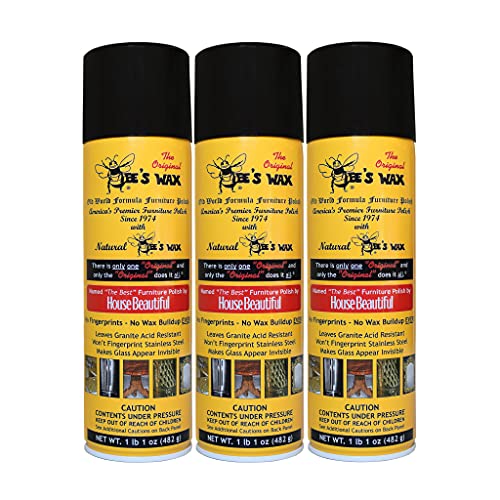
To restore the original shine, I recommend using a high-quality furniture polish or a clear coat to protect the repair. Apply the product evenly and buff it gently with a soft cloth to enhance the overall look. This approach not only makes the repair less noticeable but also revitalizes the entire piece.
Repairing Damaged Laminate on Your Wood Surfaces
Gather your materials: wood glue, a putty knife, and a clamp. Clean the area around the damaged part thoroughly to ensure proper adhesion. Apply a small amount of glue to the backside of the loose section and press it firmly against the surface. Use a putty knife to remove excess glue.


Secure the repair with a clamp, maintaining consistent pressure throughout the drying time, usually about 30 minutes. While waiting, prepare a matching wood filler to conceal any visible gaps. Select a filler that blends well with the existing color and grain of the wood.
After the glue has dried, apply the wood filler to any remaining imperfections. Smooth it out with the putty knife and allow it to dry completely. Once dried, sand the area gently with fine-grit sandpaper until it’s flush with the surrounding surface.
To complete the restoration, use a wood finish or polish that matches the original sheen of the piece. Apply it with a clean cloth, allowing it to dry thoroughly. This final touch enhances durability and appearance.
- Ensure the workspace is well-ventilated.
- Test finishes in an inconspicuous area before full application.
- Keep the wood grain direction in mind when sanding and finishing.
Identifying the Type of Veneer Damage
Assessing the extent of the impairment is crucial. First, visually inspect for surface irregularities such as peeling, cracks, or missing sections. Lightly run your fingers over the area; this will help detect any roughness or breaks that aren’t immediately visible. A thorough examination under natural light can reveal subtle flaws.
Types of Damage
Surface scratches might appear as fine lines and can often be polished out or colored in with a touch-up marker. On the other hand, deep gouges require more extensive intervention, as they penetrate through the finish and into the substrate.
Environmental Factors
Consider the environment where the item is located. Damage from moisture exposure may manifest as warping or bubbling, whereas extreme dryness can lead to cracking. Identifying these conditions not only clarifies the nature of the damage but also informs future preventative measures.
Gathering Necessary Tools and Materials
Ensure you have a wood glue that is suitable for the task. I recommend using a high-quality, waterproof formulation for durability. Along with the adhesive, a small paintbrush will help in applying the glue accurately.
Tools You’ll Need
A utility knife is essential for trimming any excess material around the affected area. Make sure to use a sharp blade for precise cuts. Additionally, having a pair of clamps or weights will assist in securing the patch while the glue dries, ensuring a strong bond.
Materials to Prepare
Gather some matching wood filler or a color-matched wax stick to blend the repair with the existing surface. I also find it beneficial to have sandpaper (fine and medium grit) for smoothening out any rough edges post-repair. Finally, consider a suitable finish, such as a stain or lacquer, to restore the original appearance after completing the repair.
Preparing the Chipped Area for Repair
I begin with a thorough cleaning of the affected region. Using a damp cloth, I remove any dust, dirt, or grease that could hinder adhesion during the restoration process. It’s essential to ensure the surface is dry before continuing.
Next, I gently sand the perimeter of the damaged section using fine-grit sandpaper. This step helps to smooth out any rough edges and creates a better bonding surface for the repair material. I make sure to sand lightly to avoid further damage.
Assessing Adhesion Points
I examine the area for any loose pieces of laminate or surface that need to be secured. I use a small amount of wood glue to reattach any lifted sections. I apply pressure until the glue sets, frequently checking for any signs of movement.
Preparing for Filler Application
After the adhesive sets, I wipe the surface one last time to ensure it’s free of dust and debris. If any gaps remain after the initial repair, I prepare a suitable filler, matching the color and texture of the original finish as closely as possible. I then apply the filler into the chipped area, making sure to level it to the surrounding surface.
Applying Wood Glue for Veneer Repairs
For adhesion in the damaged area, using high-quality wood glue ensures a strong bond. I recommend a PVA (polyvinyl acetate) or yellow carpenter’s glue for this purpose.
Steps for Application
- Prepare the adhesive: Shake the glue bottle if it’s not a squeeze tube. Dispense a small amount onto a disposable surface or palette.
- Apply to the surface: Use a small brush or wooden stick to evenly spread the adhesive on both the exposed substrate and the underside of the veneer piece.
- Align the piece: Carefully position the veneer back onto the substrate, ensuring correct alignment with the surrounding area.
- Clamp securely: Utilize clamps or a heavy object to apply even pressure to the repair, ensuring a tight bond. Maintain this pressure for the recommended curing time stated on the glue packaging.
Tips for Effective Bonding
- Ensure surfaces are clean and free from dust or old adhesive.
- Consider using a toothpick for precision, especially in small or intricate areas.
- Don’t over-apply adhesive; a thin layer is sufficient to achieve a strong bond.
- Keep the area undisturbed until the glue cures completely to avoid any shifts.
Monitor the repair periodically during the curing phase to confirm proper adherence. Once fully dry, proceed to finish the area as desired.
Finishing Techniques for a Seamless Look
After addressing the surface damage, selecting the appropriate finish is vital for a unified appearance. Begin by matching the original stain or color. I typically utilize a small sample area to test how the finish interacts with the existing wood. This prevents any surprises on the main surface.
Once satisfied with the color match, I apply the finish using a fine brush or cloth, ensuring even coverage. Feather the edges to blend seamlessly into the surrounding area. It’s beneficial to apply multiple thin coats rather than one thick layer. This approach enhances the finish, allowing for a deeper color while maintaining control over the coverage.
After the final coat dries, light sanding with fine-grit sandpaper levels the surface. I often wipe the area with a damp cloth to remove any dust particles, ensuring a smooth application. Finish with a protective layer, such as varnish or lacquer, which not only enhances durability but also adds a layer of sheen that can replicate the original look of the piece.
Finally, allow adequate drying time between each step and consider using a polish for an added luster. Regular maintenance post-repair will help in keeping the appearance pristine. This method guarantees a polished, cohesive look that blends seamlessly with the rest of your valuable piece.
Maintaining Repaired Veneer Over Time
To extend the life of your restored surface, regularly clean with a dry microfiber cloth to remove dust. Avoid abrasive materials that can damage the finish.
For moisture control, place coasters and mats under drinks and hot items to prevent water rings and heat marks. If you notice any signs of wear, address them immediately to prevent further damage.
Applying a thin layer of furniture polish every few months can enhance sheen and protect against wear. Ensure the polish is compatible with the finish of your surface.
Check humidity levels in the environment; ideally, maintain them between 30-50%. An overly dry atmosphere can cause the adhesive beneath the surface to degrade over time.
Consider using a protective sealant designed for wood surfaces, as this can add an additional layer of defense. Reapply as necessary according to the manufacturer’s recommendations.
Inspect for signs of peeling or lifting periodically. For minor instances, a small amount of wood glue can make a quick repair. For more extensive issues, re-evaluate previous repairs and make adjustments as needed.
Table maintenance suggestions:
| Maintenance Task | Frequency |
|---|---|
| Dusting | Weekly |
| Polishing | Every 3 months |
| Moisture Checks | Monthly |
| Humidity Monitoring | Regularly |
Following these practices will help ensure your restored wooden surface remains looking its best for years to come.


