
 Caleb Turner

To restore the pristine look of a marred surface, I recommend gathering the necessary materials first. You’ll need fine-grit sandpaper, a clean cloth, an appropriate touch-up solution, and a brush or applicator for precision. Make sure the area is well-ventilated to facilitate the drying process.
The initial step involves carefully sanding the damaged sections to create a smooth base. Gently remove any loose particles or irregularities, being cautious not to damage the surrounding areas. Following this, wipe the surface with a clean cloth to eliminate dust and ensure a clean application.
Select a suitable touch-up solution that matches the original hue. Dab a small amount onto the brush and apply it to the prepped area. Use short strokes and blend the edges to achieve a seamless finish. Once completed, allow sufficient drying time as per the manufacturer’s instructions to achieve optimal results.
For added durability, consider applying a clear protective coat once the touch-up solution has dried completely. This extra layer not only enhances the finish but also guards against future damage. Regular maintenance and immediate attention to any new imperfections will help keep the surfaces looking their best.
Repairing Damage on Light-Toned Surfaces
To address the damaged area, I prefer using a small artist’s brush for precision. First, I ensure the surface is clean and free of dust or debris. For minor issues, I apply a matching hue directly onto the exposed area, feathering the edges to blend seamlessly with the surrounding finish. I always allow sufficient drying time between coats to achieve a smooth result.
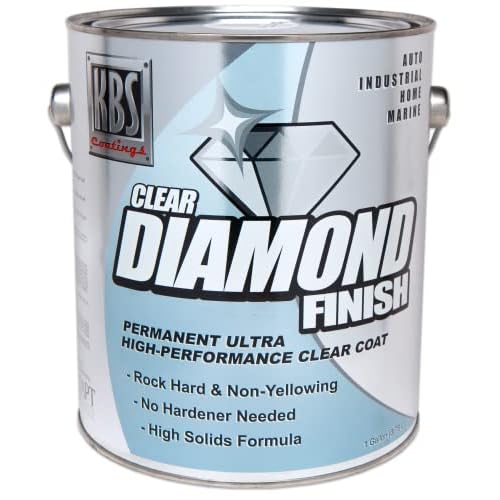


If the issue is more extensive, I gently sand the surrounding area with fine-grit sandpaper until it is smooth. Then, I clean the dust away with a damp cloth. After this, I proceed with applying primer before using the matching color, as it provides a uniform base.
After achieving the desired look, I seal the repair with a clear topcoat to protect against future wear. This ensures durability and maintains the sheen of the finish. Regular maintenance and touch-ups can keep the appearance fresh over time.
If I have to deal with a more significant blemish, I might consider stripping the affected area down to the bare material before repainting. It’s key to follow up with a primer to help the new layer adhere and to prevent peeling.
Assessing the Damage and Preparing Your Workspace
Begin by evaluating the extent of the deterioration. Look closely at the affected area to determine if only the surface layer is compromised or if deeper layers are exposed. Use a soft cloth to clean the surface and ensure it is free of dust and debris. This will help in identifying any additional imperfections that may need attention.
Gather Necessary Tools
Collect all required tools and materials before starting. You’ll need sandpaper, a small brush or spatula, primer, and the matching coating. Having everything at hand prevents unnecessary interruptions. Choose a well-ventilated area to minimize exposure to fumes from chemicals. If you’re working indoors, consider using a drop cloth to protect surrounding surfaces from accidental spills.
Ensure Proper Lighting
Good lighting is vital during this process. Illuminate the workspace adequately to spot any inconsistencies and to achieve an even application later on. A well-lit environment allows for better precision when addressing problems, ensuring a smoother finish once completed.
Make sure to wear suitable protective gear, including gloves and a mask, particularly if sanding or using any harsh substances. This prepares you for a safe and efficient repair process.
Gathering Necessary Tools and Materials
I recommend collecting the following supplies before beginning the repair process. You will need a fine-grit sandpaper, ideally around 220-grit, to smooth out any rough edges. A putty knife or a small application tool is necessary for applying any filler or compound. Choose a suitable wood filler that matches the texture and color of your item. Additionally, get a high-quality primer and a matching topcoat to achieve a seamless finish.
A clean cloth and some mild soap or wood cleaner will help prepare the surface before any repair work. Have a pair of gloves handy to protect your hands from chemicals and keep the area tidy. For the best results, a small brush for precise application can be invaluable. A paint tray will also aid in holding the liquid materials neatly as I work.
If I have access to a vacuum or a brush, I should use them to eliminate dust and debris from the area and ensure a clean workspace. It’s beneficial to gather newspaper or drop cloths to protect surrounding areas from any accidental spills. Having these items ready will make the entire process smoother and more efficient.
Cleaning the Affected Area Before Repair
To ensure a successful restoration, I thoroughly clean the damaged section to remove dirt and debris. This step is critical for the adhesion of the new coating. I begin by using a soft cloth dampened with mild soap and water. I gently wipe down the area, taking care not to saturate the wood.
Tools for Cleaning
| Tool | Purpose |
|---|---|
| Soft Cloth | To remove dust and grime without scratching the surface |
| Mild Soap | To break down any oils or sticky residues |
| Water | To rinse off soap and ensure no residues are left |
| Dry Cloth | To thoroughly dry the area before proceeding |
After cleaning, I dry the surface completely using a separate dry cloth to prevent moisture damage. This preparation assures that the new layer bonds effectively with the existing surface. In case of stubborn spots, I might use a gentle scrub brush, ensuring it is soft enough not to mar the finish.
Choosing the Right Paint for Touch-Ups
Opt for a high-quality acrylic or latex-based finish for the best results. These types blend well and provide a durable coating, ideal for quick corrections. Ensure to select a product specifically designed for household applications to achieve a seamless repair.
Color Matching
Use color-matching tools or swatches to achieve an accurate hue. Bring a sample of the existing coating to your local hardware store, or utilize smartphone applications that assist with color identification. This step is crucial for achieving a uniform appearance.
Finish Type
Choose a finish that aligns with the original look of the item. For glossy surfaces, a glossy or semi-gloss option will maintain a consistent sheen. Alternatively, consider matte finishes if the original look is more subdued. Test small areas to confirm compatibility before proceeding.
Applying the Paint to the Chipped Area
First, I ensure that the chosen color closely matches the existing finish. Next, I take a fine brush, typically a small artist’s brush, to achieve precision. Using the brush, I gently apply the solution to the damaged section, using light strokes to build up the color without overwhelming the surrounding area.
It’s important to avoid excessive amounts of the liquid, so I dab off any surplus on the edge of the container. I let the first layer dry completely before assessing for further touch-ups. If the initial application appears uneven or thin, I apply a second coat. This approach allows for gradual layering, preventing drips or uneven textures.
After ensuring the area matches seamlessly, I carefully examine the finish for any imperfections. If any remain, I can gently sand them down using a fine-grit sandpaper once the coating is dry. The goal is to blend the touch-up with the surrounding surface, ensuring a cohesive appearance.
Finally, to protect the area from future damage, I may apply a coat of clear sealant over the repair. This step enhances durability and helps maintain the overall aesthetic of the piece.
Blending and Smoothing the Repaired Spot
To achieve a seamless integration of the repaired section, I ensure that the touch-up paint closely matches the surrounding area. I use a small, fine brush for application, which allows for precision without over-applying the substance.
After applying the new layer, I wait for it to dry completely. Timing is critical–rushing this step may lead to uneven textures.
Once dry, I gently assess the transition between the newly painted area and the original surface. If there are noticeable differences in texture or sheen, I level them out:
- Using a fine-grit sandpaper, I lightly buff the edges of the repair, feathering it into the existing finish. This helps soften any harsh lines.
- To further refine the appearance, I might apply a very thin layer of clear coat or varnish over the repair, ensuring it mimics the shine of the untouched areas.
- For an even smoother finish, I can rub the area with a soft cloth in a circular motion, blending the edges while the final coat is still slightly tacky.
Regularly stepping back to examine my work from different angles allows me to detect any imperfections in the blend. Patience and careful observation are key to making a successful repair virtually invisible.
If needed, I can repeat the process of applying paint and smoothing until I’m satisfied with the result, ensuring that the repair looks as good as new.
Protecting the Repaired Area After Drying
Once the applied solution has fully dried, it’s crucial to safeguard that area to maintain its integrity. Consider the following steps:
Sealing the Repair
- Use a clear topcoat or sealant specifically designed for the type of material you’re dealing with. This will help in shielding the area from future damage.
- Apply the sealant with a clean brush to ensure even coverage and to prevent any drips.
- Allow the sealant to cure completely as per the manufacturer’s instructions. This will offer maximum durability.
Avoiding Direct Contact
- Keep items away from the repaired section for at least a few days to ensure the repair remains undisturbed.
- Consider using coasters or mats in the area around the repair to prevent accidental scratches or damage.
- Regularly monitor and touch up the area if signs of wear begin to appear, ensuring the longevity of your work.
By implementing these protective measures, I ensure that my restoration lasts and remains visually appealing for longer periods.


