
 Caleb Turner

To restore a warped or distorted surface, I recommend using a hot iron and a damp cloth. Place the cloth over the affected area, then apply the iron for a few seconds. The heat will cause the adhesive to soften, allowing the layer to realign. Ensure you don’t leave the iron in one spot for too long to prevent further damage.
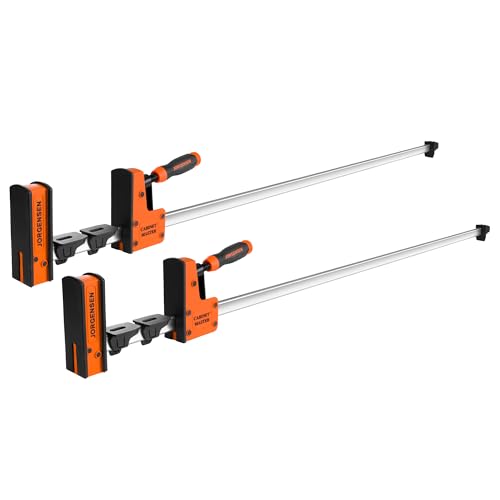
After reshaping the material, it’s essential to reinforce the area. I often use wood glue or a strong adhesive suitable for particle materials. Apply a small amount into any gaps and press the surfaces together firmly. Use clamps if necessary to hold them in place while the glue sets.



Once the adhesive has dried completely, I recommend sanding down any uneven spots for a smooth finish. Use fine-grit sandpaper to avoid scratching the surface. After sanding, a coat of matching veneer or paint can help restore the aesthetic appeal and protect the surface from future issues.
Repairing Damaged Surfaces of Composite Materials
Begin with a gentle sanding of the affected area to remove the raised surface. Use fine-grit sandpaper to create a smooth finish, taking care to avoid damaging the surrounding areas.
Apply a suitable adhesive designed for composite materials directly onto the exposed core. Choose a product that provides a strong bond yet remains flexible enough to accommodate movement.
After applying the adhesive, press down firmly to ensure a tight seal. Use clamps or heavy objects to hold the surface in place while the adhesive cures according to the manufacturer’s instructions.
Once fully cured, use a putty knife to carefully spread wood filler over the repaired section if there are any gaps. After the filler dries, sand the area again to ensure it blends seamlessly with the surrounding surface.
Finish by applying touch-up paint or varnish that matches the original finish, restoring the appearance and providing additional protection to the repaired surface.
Identify the Cause of Bubbling
To address the issue of swelling in a composite surface, I first determine the underlying reason for the damage. Typically, moisture exposure is a leading factor, as excessive humidity or spills can penetrate the surface, causing the material to expand. It’s crucial to inspect the area surrounding the affected section; check for leaky plumbing nearby or inadequate sealing where water might enter.
Additionally, I consider thermal changes. Extreme heat from appliances placed on or near the structure can lead to warping and bubbling. Evaluating the environment helps pinpoint this cause, especially in areas subjected to direct sunlight or intense temperature fluctuations.
Wear and tear from everyday use can also contribute to deterioration. Scratches or impact damage may allow moisture to seep in, prompting the need for immediate repair. By assessing usage habits and the overall condition of the item, I can understand how physical stressors play a role.
Finally, reviewing the quality of the materials used is vital. Some lower-grade composites might not withstand regular use as well as higher-grade options. If my item is from a manufacturer known for subpar production methods, this might explain the issues encountered. Identifying these elements will guide me in properly addressing the situation.
Gather Necessary Tools and Materials
Begin this process by assembling the following tools and materials:
- Wood glue or adhesive for strong bonding
- Clamps to hold the surfaces together during drying
- Utility knife for trimming excess material
- Putty knife for applying glue
- Sandpaper (medium and fine grit) to smooth the surface
- Paint or veneer to match the original finish, if needed
- Rags for cleaning up excess glue
- Protective gloves to keep hands clean
Ensure that the workspace is clear and well-ventilated for the best results. Having these items on hand will streamline the restoration process and lead to a more satisfying outcome.
Prepare the Affected Area for Repair
Ensure the damaged region is clean and dry before proceeding. I first remove any loose debris or peeling laminate. A soft cloth takes care of dust, while a light sanding smooths the surface edges for a better bond. I keep a vacuum handy to eliminate any fine particles that may hinder adhesion.
Next, I assess the extent of the damage. For minor issues, I gently probe the area to determine if there are soft spots indicating further deterioration. If I notice significant weakness, I plan for reinforcement using wood glue or small brackets, ensuring the structure remains sound during the repair process.
After this assessment, I apply a small amount of moisture if the surface feels excessively dry. This helps the adhesive bond properly with the material. I wait a few minutes for it to absorb before applying any sealant or repair materials.
Lastly, I choose an appropriate workspace that minimizes movement and dust interference. A well-lit area makes visualization easier, helping to achieve a neat and straight application of repairs.
Apply Heat to Restore Original Shape
For this method, I utilize a heat source like a hairdryer or heat gun. The key is to apply warm air directly to the affected area for a few minutes. This softens the adhesive and allows the surface to regain its original form.
Follow these steps:
- Set the device to a low or medium setting to control the heat intensity.
- Hold the tool about 6 inches away from the surface, ensuring not to overheat any specific spot.
- Gently move the heat source across the area, focusing on the edges of the lift to promote even softening.
Once the adhesive begins to loosen, carefully press the bubbled area back into position. I use a soft cloth to protect my hands and to apply even pressure. In some cases, placing a weight on top while the glue cools can help secure the repair.
Allow the temperature to settle and the adhesive to harden. Wait at least a few hours before testing the surface. This method is efficient for minor damages and can greatly enhance the appearance of my displaced surfaces.
Finally, if needed, I can apply a sealant or finishing coat to prevent future issues and ensure durability.
Use Adhesive for Permanent Attachment
To achieve a stable bond, I apply a strong adhesive specifically designed for wood or composite materials. This ensures the layers remain firmly attached. First, I choose a PVA glue or an epoxy, as these options provide durability and resistance to moisture. I carefully spread a generous amount of the adhesive on the affected area, ensuring complete coverage.
Application Technique
When applying the glue, I utilize a small brush or a spatula for precision. It’s crucial to avoid excess, as that can lead to a messy finish. After applying the adhesive, I press the layers back together, aligning them carefully to restore the original structure. To secure the bond, I use clamps or heavy weights to hold the pieces in place while the adhesive dries. Following the manufacturer’s instructions for drying time is essential for achieving maximum strength.
Final Steps
Once fully cured, I inspect the repaired area for any gaps or imperfections. If necessary, I can fill in any inconsistencies with an appropriate wood filler, then sand it smooth for a seamless appearance. This results in a sturdy repair that withstands daily use.
Repair the Surface Finish
To restore the exterior, I recommend using a wood veneer or laminate patch. Begin by measuring the damaged area accurately, ensuring the patch will cover it completely without overlapping the edges.
Applying the Patch
Cut the veneer or laminate to size slightly larger than the damaged section for a clean fit. Use a sharp utility knife for precision. Apply a suitable adhesive to both the back of the patch and the surface of the item. Firmly press the patch into place, ensuring there are no air bubbles trapped beneath. Clamp it down if necessary until the adhesive cures completely.
Finishing Touches
After the adhesive has dried, use sandpaper to smooth the edges of the patch, ensuring it blends seamlessly with the surrounding surface. Wipe the area clean and apply a matching stain or finish to achieve uniformity. If needed, a topcoat can enhance durability and provide a protective layer.
Inspect for Additional Damage
I recommend examining the surrounding areas of the affected section closely. Look for any signs of swelling, cracks, or loose seams that may indicate further deterioration. Such imperfections can compromise the overall stability and appearance of the structure.
Key Areas to Check
Pay special attention to:
| Area | Potential Issues |
|---|---|
| Edges and Corners | Separation at joints, chips, or splintering |
| Surfaces | Scrapes, dents, or water damage |
| Internal Structure | Loose fasteners or broken supports |
After identifying any additional flaws, assess the impact on the repair process. Some may require more extensive repairs or replacement of materials. Document these findings for reference during the restoration phase to ensure all aspects are addressed efficiently.
Seal and Protect the Furniture
After addressing the deformation, securing the surfaces is crucial for longevity. First, apply a protective sealant designed for wooden products. This prevents moisture penetration and reduces future damage risks.
Follow these steps for optimal results:
- Choose a sealant compatible with the original finish, such as polyurethane or acrylic.
- Use a clean cloth or a soft brush to apply an even layer. Ensure all exposed areas are covered.
- Allow the first coat to dry completely based on the manufacturer’s instructions, usually around 2-4 hours.
- Sand lightly with fine-grit sandpaper between coats to enhance adhesion. Clean any dust afterward.
- Apply at least one additional coat for increased protection.
Additional Protective Measures
To further safeguard the piece, consider these tips:
- Avoid placing hot items directly on surfaces; use coasters or trivets.
- Keep the furniture away from direct sunlight to prevent fading and warping.
- Regularly dust and clean with appropriate, non-abrasive cleaners.
- Use felt pads under items to minimize scratches causing surface wear.
Implementing these measures ensures that the repaired structure remains in excellent condition for years to come.
Prevent Future Bubbling Issues
Regular maintenance is key. To ensure longevity and avoid future deformation, consider using a protective cover. This barrier can shield surfaces from moisture and heat, which are primary culprits in causing issues.
Control the environment where these items are placed. Maintain a stable temperature and humidity level. Try using a dehumidifier in damp areas and avoiding direct sunlight exposure.
When cleaning, utilize gentle, non-abrasive solutions. Harsh chemicals can deteriorate finishes, making the material more susceptible to damage. A mild soap and water mixture is often sufficient.
Occasionally check for signs of wear or early deformation. Early detection allows for prompt action. Address any irregularities like chips or soft spots immediately to prevent escalating problems.
Ensure heavy items are not placed on surfaces for prolonged periods. Distribute weight evenly and avoid overloading corners. This practice can help maintain structural integrity.
| Action | Frequency |
|---|---|
| Inspect for wear | Every 3 months |
| Clean with mild solutions | Monthly |
| Check weight distribution | As needed |
| Use protective covers | Always |
Lastly, consider applying a quality sealant periodically. This can add an extra layer of protection against moisture and improve the overall durability of the surfaces.
FAQ:
What are the common causes of bubbling in particle board furniture?
Bubbling in particle board furniture usually occurs due to moisture exposure, poor quality adhesives, or excessive heat. When particle board absorbs moisture, it swells and causes the surface laminate to bubble. Additionally, low-quality adhesives may break down over time, leading to separation between the laminate and the board. Heat can also cause the adhesive to melt, resulting in similar issues.
Can I fix bubbling on my particle board furniture without special tools?
Yes, you can fix bubbling on particle board furniture with minimal tools. Most commonly, you’ll need a sharp utility knife, wood glue or PVA glue, clamps or weights, sandpaper, and possibly a veneer touch-up pen. The process doesn’t require advanced skills but following the steps carefully will yield better results. These tools help to neatly cut away the damaged area and reattach the bubbling laminate at home.
What is the step-by-step process to repair bubbled areas on particle board furniture?
To repair bubbled areas, start by carefully cutting the bubble with a utility knife to release trapped air. Apply wood glue underneath the bubbled laminate, smoothing it out with a small brush. Press the laminate back into place and use clamps or heavy objects to hold it in place as it dries. After the glue is dried, sand the edges of the repaired area to ensure a smooth finish. If needed, apply a veneer touch-up pen to blend the repair with the surrounding surface.
Is it possible to prevent bubbling from happening again in the future?
Preventing bubbling involves proper care and maintenance. Keep your furniture away from moisture sources, such as drinking glasses or wet items. Use coasters and placemats to protect surfaces from heat and spills. Additionally, ensure that the furniture is kept in a climate-controlled environment, as extreme temperatures and humidity can deteriorate the adhesive and the board itself. If you notice any signs of damage early, addressing them can prevent larger issues down the line.
How can I identify the right type of glue for repairing particle board furniture?
For repairing particle board furniture, a high-quality PVA (polyvinyl acetate) glue is often the best choice. This type of glue is specifically designed for porous materials like wood and particle board. It dries clear and provides a strong bond. Some wood glues come in different formulations, so opt for one that is waterproof or water-resistant if the furniture will be exposed to moisture. Always check the packaging for compatibility and drying time to ensure the best outcome for your repair.


