Caleb Turner

For optimal results, I recommend beginning with a thorough sanding process using progressively finer grits, starting from 120-grit up to 320-grit. This step eliminates any surface imperfections and prepares the wood for optimal absorption of stains and sealants.
Next, consider applying a quality wood conditioner to enhance color uniformity and prevent blotching. After the conditioner has dried, select a high-quality stain that complements the natural beauty of your item. I prefer oil-based stains for their depth and richness; apply with a clean cloth and ensure even coverage.
Following the staining process, leave the piece to cure fully. Once dry, I always opt for a protective finish–such as polyurethane or varnish–using a brush or spray method for a smooth application. For a natural look, I often choose a satin or semi-gloss sheen. Allow appropriate drying time between coats, generally 4-6 hours, and lightly sand between layers for an ultra-smooth finish.


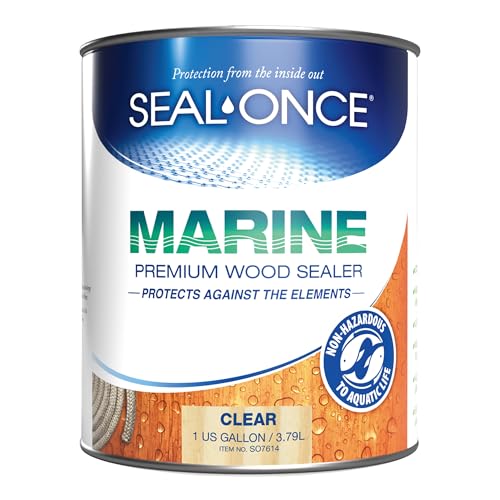
Applying a Protective Coat to Exotic Wood
Select an appropriate oil for treatment, such as tung or Danish oil. These oils penetrate deeply, enhancing the natural grain while offering a protective layer against moisture and wear. I prefer to apply several thin coats rather than one thick layer. Use a clean, lint-free cloth to apply the oil, following the wood grain to ensure even coverage.
After the initial application, allow the oil to sit for about 15 minutes before wiping off any excess. Repeat this process every 24 hours until reaching the desired sheen and depth of color.
Once the last coat has dried, provide a final buff with a soft cloth. This step not only enhances the appearance but also ensures a smooth finish that feels pleasant to the touch.
Consider incorporating a wax finish after the last coat of oil has dried overnight. Soft paste wax creates an additional barrier against scratches and UV damage and can elevate the glow of the wood even further.
| Step | Action |
|---|---|
| 1 | Select oil (tung or Danish). |
| 2 | Apply oil with a lint-free cloth. |
| 3 | Allow to sit for 15 minutes; wipe off excess. |
| 4 | Repeat every 24 hours for desired effect. |
| 5 | Buff with soft cloth after last coat. |
| 6 | Optionally, apply soft paste wax. |
Regular maintenance is crucial. Reapply oil or wax as needed, typically every few months, to preserve the beauty and durability of the wood.
Choosing the Right Finish for Rosewood
I recommend using a clear lacquer for its durability and ability to enhance the natural beauty of this hardwood. For a more traditional approach, oil-based varnishes provide a warm glow and deep color saturation, accentuating the grain patterns effectively.
If you’re leaning towards a matte appearance, consider a matte polyurethane. This option protects the surface while offering a subtle sheen that doesn’t overpower the wood’s inherent character.
An alternative is to apply a penetrating oil, such as tung or Danish oil. These products nourish the timber and create a natural look, making them ideal for pieces that will see frequent use.
It’s advisable to conduct a test on a small, inconspicuous area before full application. This ensures that the chosen product achieves the desired effect without unexpected results. A consistent application technique is key; using a brush or cloth in the direction of the grain will yield the best outcome.
For additional protection, a topcoat of wax can be applied after the initial layer has fully cured. This adds a soft luster and acts as a barrier against moisture and fingerprints, preserving the aesthetic charm of the piece.
Preparing the Surface for Staining
Begin with cleaning the surface thoroughly. Use a lint-free cloth to remove dust and debris. A damp cloth can help lift any stubborn particles, but ensure the wood is completely dry before proceeding.
Next, inspect for imperfections. Fill any holes or cracks with an appropriate wood filler. Allow it to dry fully, then sand it down until level with the surrounding area.
Sanding Techniques
Select sandpaper with varying grits, starting with 120-grit and moving up to 220-grit. Sand with the grain, maintaining even pressure to prevent unevenness. Wipe down with a tack cloth after each sanding to remove any residual dust.
- 120-grit for initial smoothing and leveling.
- 150-grit for refining the texture.
- 220-grit for final preparation before staining.
After sanding, it’s beneficial to condition the wood. This step helps to achieve an even stain application and prevents blotchiness. Apply a pre-stain wood conditioner with a brush, following the manufacturer’s guidelines.
Final Check
Examine the surface one last time. Ensure it is free from dust and debris. A clean, well-prepared surface is crucial for a uniform and appealing application of stain.
Selecting Stain Colors for a Rich Look
For a deep, luxurious appearance, selecting the right tint is key. I favor dark tones like walnut or mahogany, which bring out the natural beauty and grain of the wood. These shades provide an elegant contrast, highlighting the intricate patterns typically found in high-quality timber.
Consider the Ambiance
Think about the overall ambiance you want to create. If aiming for warmth, I opt for rich amber or chestnut hues. These colors infuse spaces with a cozy vibe, making them inviting. For a more sophisticated look, ebony or espresso offers a refined aesthetic that elevates the space.
Test Before Committing
Always test the stains on a small, inconspicuous area first. This allows me to see how the color interacts with the wood grain and existing finishes. I take notes on drying times and final appearances under different lighting conditions, ensuring that I make an informed choice before applying to the entire piece.
Applying Stain Evenly on Rosewood
To achieve an even stain application on your dark hardwood, follow these precise steps:
Preparation of Materials
- Select a high-quality brush or foam applicator for even coverage.
- Have clean rags or paper towels on hand for wiping excess stain.
- Use a rag for blending to avoid streaks.
Application Technique
- Apply the stain in manageable sections to maintain a wet edge.
- Start from one end and work your way to the other, using long, even strokes.
- Immediately wipe off excess stain after applying, ensuring it doesn’t pool.
- For deeper color, allow the first coat to dry before applying a second.
- Blend sections with a clean rag for uniformity, feathering edges to prevent marks.
Inspect the surface frequently during the process to ensure consistency. Pay attention to corners and intricate details, applying stain carefully to avoid uneven spots. Always follow with a sealer to protect the wood and enhance its natural beauty.
Sealing with a Suitable Finish
For achieving a lasting protective layer on your hardwood, I recommend using high-quality varnish or polyurethane. These products offer superior moisture resistance while enhancing the natural beauty of the grain. Opt for a water-based version to minimize odor and drying time, making application more convenient.
Before applying, ensure the surface is clean and free of dust. Sandlightly with fine-grit paper to achieve a smooth finish that promotes adhesion. Test the sealant on a small, inconspicuous area first to evaluate compatibility and appearance. Apply multiple thin coats rather than a single thick application to avoid runs and ensure an even layer. Allow adequate drying time between coats, as specified by the manufacturer.
Applying the Sealant
Use a high-quality brush or foam applicator for application, which helps in achieving an even coat. Start from one corner and work your way to the opposite side, maintaining a wet edge to prevent lap marks. After the final coat, allow it to cure completely before placing any items on the surface, which can take several days depending on the product used.
Maintenance Tips
Regular maintenance is key to longevity. Clean the surface with a damp cloth and avoid harsh chemicals. Reapply the sealant every few years, depending on wear and tear, to keep the surface looking pristine and protected.
Techniques for Applying Polyurethane Coating
I prefer to use a high-quality brush, specifically a foam or natural bristle type, to apply polyurethane. This helps achieve a smooth, even layer without leaving brush strokes. I always make sure to stir the polyurethane gently to avoid bubbles.
Before I begin, I set up a well-ventilated workspace. Proper airflow is crucial to minimize the strong fumes associated with the product. I also lay down drop cloths to protect the surrounding area from drips.
To start applying, I dip the brush into the polyurethane, removing excess by tapping it against the container’s edge. Then, I apply a thin coat in long, even strokes, following the grain of the wood. Using a light hand helps prevent the formation of runs and sags.
I allow the first coat to dry according to the manufacturer’s instructions, usually about 4-6 hours. Once dry, I lightly sand the surface with fine-grit sandpaper to ensure adhesion of the subsequent layer and to smooth out any imperfections.
For the next layers, I repeat the application process. Typically, I apply at least three coats, sanding between each layer. This builds up a durable and protective finish that enhances the natural beauty of the wood.
After the final coat, I allow the piece to cure for several days before using it. This gives the polyurethane enough time to harden, ensuring longevity and resilience against wear. Regular maintenance and occasional reapplication will keep the surface looking pristine.
Buffing and Polishing Finished Pieces
Begin buffing with a random orbital sander equipped with a soft pad for smooth surfaces. Select a fine grit (around 1200-1500) for an optimal sheen without risking surface damage.
Apply a compatible polishing compound, such as a wax-based product that complements the existing topcoat. Use a clean, lint-free cloth to evenly distribute the compound while working in small sections.
Steps for Buffing
| Step | Action |
|---|---|
| 1 | Ensure the surface is dust-free; wipe with a microfiber cloth. |
| 2 | Apply the polishing compound in circular motions. |
| 3 | Increase pressure slowly for a high-gloss finish. |
| 4 | Buff out using a clean section of the cloth to remove excess compound. |
Final Touches
After buffing, finish with a high-quality paste wax to enhance shine and protection. Allow it to dry according to manufacturer instructions, and then lightly buff again for a uniform finish.
Regular maintenance is key; consider a light buffing every few months to extend the beauty and integrity of your fine pieces.
Maintenance Tips to Preserve the Finish
I recommend dusting regularly with a soft, lint-free cloth to prevent dirt buildup on the surface. This simple action helps maintain the sheen and keeps the wood looking its best.
For deeper cleaning, use a damp cloth with a mild soap solution, ensuring to wipe off any excess liquid immediately to prevent moisture damage. Always follow up with a dry cloth to eliminate any residue.
Avoid placing hot items directly on the surface; use coasters and mats to protect against heat and moisture. This habit reduces the risk of damage over time.
Apply a thin layer of polish or wax every few months to enhance shine and create a protective barrier. Choose products specifically designed for wood, as they nourish the grain without leaving sticky residue.
Consider repositioning objects such as lamps or decorative pieces periodically to avoid uneven fading due to sunlight exposure. Keeping this in mind prolongs the visual appeal of the stain and finish.
If scratches occur, I suggest using a wood filler or crayon that matches the color to minimize visibility. This quick fix helps maintain the overall appearance without extensive repairs.
Lastly, control the room’s humidity and temperature to ensure stability. A range of 40-60% humidity keeps the wood from warping and losing its natural beauty.
Repairing Scratches on Rosewood Surfaces
To effectively address scratches on your treasured hardwood, consider using a blend of oil and wax. This combination fills in the damaged areas, blending seamlessly with the surrounding finish.
Materials Needed
- Boiled linseed oil or mineral oil
- Beeswax or a furniture wax of your choice
- Soft cloth or fine steel wool
- Wood filler (if scratches are deep)
Steps to Repair
- Clean the area around the scratch with a damp cloth to remove dust and debris.
- If the scratch is deep, apply wood filler that closely matches the color of your piece, using a putty knife to smooth it out. Allow it to dry thoroughly.
- Mix equal parts of boiled linseed oil and beeswax. This creates a suitable paste for the surface.
- Using a soft cloth or fine steel wool, apply the mixture directly onto the scratch in a gentle circular motion.
- Buff the area until you achieve a smooth surface that blends with the rest of the piece.
- If necessary, repeat the process until the scratch is less noticeable.
For deeper or more extensive damage, consider sanding lightly around the scratch to even out the surface before applying the oil and wax mixture.
Regular maintenance with a soft cloth and a light application of the oil and wax mixture will keep the surface looking pristine and help prevent future scratches.