Caleb Turner
For achieving a durable and appealing look on untreated wooden surfaces, I recommend utilizing a blend of high-quality oils and protective lacquers. Start with a thorough cleaning of the surface to remove dust and impurities, which can hinder adherence and finish quality.
Applying a penetrating oil, like tung or linseed oil, enhances the natural grain while providing water resistance. Use a lint-free cloth to apply the oil in the direction of the grain, letting it soak in, and wipe off excess after 15-30 minutes to prevent sticky residues. This step not only enriches the color but also nourishes the fibers, ensuring longevity.
After the initial oil has cured, consider layering a polyurethane or varnish for added protection. Choose a matte or satin finish depending on the desired aesthetic. Applying this topcoat with a foam brush prevents bubbles, allowing for a smoother finish. It’s crucial to allow each layer to dry completely before adding the next, as this ensures a robust barrier against wear and tear.
Surface Treatment Techniques
I recommend using oil finishes like tung oil or linseed oil for a deep, rich sheen. These penetrate effectively, enhancing the grain without creating a film on the surface.


After applying oil, let it cure for at least 24 hours. Wipe off any excess and buff the surface with a clean cloth to bring out the luster.
Applying Protective Coatings
For additional protection, a top layer of polyurethane can be beneficial. Choose between water-based and oil-based options: water-based dries faster and has less odor, while oil-based provides a more durable finish.
- Stir gently, avoiding bubbles.
- Apply thin coats using a high-quality brush.
- Sand lightly between applications for a smooth surface.
Color Enhancement Techniques
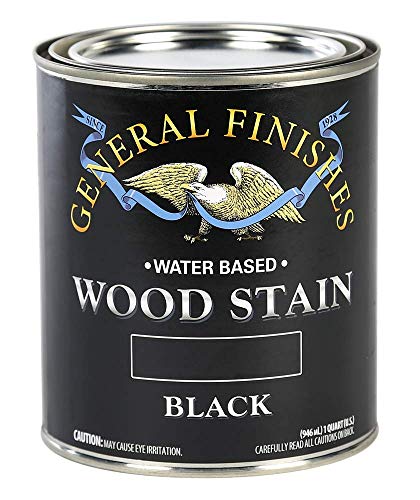
If adding color appeals to you, consider using stains. Pre-test shades on a scrap piece to ensure the desired effect. Apply with a clean cloth, working it into the grain.
- Select a stain that complements the natural tone.
- Allow it to penetrate for 5-15 minutes.
- Wipe off excess to avoid blotchiness.
Maintenance Advice
To maintain the elegance of your pieces, regularly dust with a soft cloth. Reapply oil or protective coating every 6-12 months, depending on use.
Should scratches occur, a simple touch-up with matching stain can restore the finish. For deeper scratches, sand gently and reapply the protective layer.
Choosing the Right Finish for Your Wood Type
For oak, I prefer a penetrating oil because it highlights the grain beautifully. Tung oil or Danish oil works well here, providing a rich look while allowing the surface to breathe.
For softer varieties like pine, I lean towards water-based acrylic. It dries quickly and resists yellowing, maintaining the light color of the timber. Such options also effectively resist scratches.
In the case of cherry, I opt for a clear varnish that enhances its warm tones without masking the natural beauty. A polyurethane option provides durability, making it suitable for high-use items.
If I’m working with walnut, I usually choose an oil finish combined with a hard wax. This approach not only enriches the hue but also creates a soft, natural feel that is pleasing to touch.
Teak benefits immensely from a simple teak oil application, which helps maintain its resilience to moisture while preserving its signature golden hue.
Experimenting is crucial. Testing a small area or a scrap piece helps me see how different substances react with each type, ensuring I achieve the desired outcome every time.
Finally, don’t overlook maintenance. Periodic reapplication of specific coatings prolongs the lifespan of any surface treatment, keeping it fresh and vibrant for years to come.
Preparing the Surface Before Applying Finish
I always begin by ensuring the surface is completely clean. Use a vacuum or a soft brush to remove any dust and debris from the surface. Follow this up with a damp cloth to eliminate any remaining particles, and allow it to dry thoroughly.
Sanding the Surface
Sanding is critical; I choose the right grit for the task. For initial smoothing, I often start with 120-grit sandpaper, progressing to 220-grit for a finer finish. I always sand along the grain to avoid scratches. After sanding, I wipe the surface again with a damp cloth to clear away sawdust.
Sealing Open Grain
If the material has an open grain, like oak, applying a grain filler may be necessary. I mix the filler according to the manufacturer’s instructions and use a putty knife to spread it evenly into the grain. After it has dried, I lightly sand it again before moving on to the next step.
Techniques for Applying Finish Evenly
To achieve a smooth and uniform appearance on any piece, I recommend using a high-quality synthetic bristle brush or a foam applicator. These tools help in distributing the liquid evenly across the surface, reducing the likelihood of streaks and bubbles.
Control Your Environment
Maintaining a consistent temperature and humidity level is crucial. I ensure my workspace is free from dust and fully ventilated. This helps the coating cure properly and promotes adhesion. Avoid direct sunlight, as it can cause rapid drying and lead to an uneven coat.
Layering Technique
Applying thin layers is more effective than trying to achieve a full coverage in one go. I focus on applying a light coat first, allowing it to dry fully before lightly sanding with a fine-grit paper. This enhances adhesion for subsequent layers. Repeat this process until the desired sheen is achieved.
Understanding Different Types of Wood Finishes
Each product offers unique properties that suit various aesthetics and protection levels. Here’s a breakdown of the most common options:
Oils
Oils, such as linseed and tung, penetrate deeply, enhancing the grain while providing a warm, natural appearance. They require regular reapplication but are easy to work with.
Varnishes
These create a hard, protective layer on the surface, offering excellent durability and weather resistance. Available in glossy, semi-gloss, and satin options, varnishes are ideal for surfaces exposed to moisture.
Lacquers
Lacquers dry quickly, creating a durable finish that is resistant to scratches. However, they may produce fumes and require proper ventilation during application.
Shellac
Shellac provides a unique, warm finish with a natural amber tone. It is less water-resistant than other options but can be easily repaired and is non-toxic.
Stains
Stains add color while allowing the grain to show through. They come in various shades and can be topped with a protective coat for durability. The choice between oil-based and water-based stains depends on the desired drying time and finish look.
| Type | Key Properties |
|---|---|
| Oils | Enhances grain, requires frequent reapplication |
| Varnishes | Durable, moisture-resistant, available in multiple sheens |
| Lacquers | Quick drying, scratch-resistant, requires good ventilation |
| Shellac | Warm finish, easy to repair, non-toxic |
| Stains | Colors the surface, highlights grain, can be oil or water-based |
Choosing the right product depends on your project’s requirements, including the desired appearance, the level of protection needed, and the maintenance you’re willing to undertake.
Drying Times and Curing for Various Finishes
For optimal results, understanding drying times and curing processes for different coatings is key. Here’s a breakdown of typical durations for selected options:
| Finish Type | Touch Dry (Hours) | Recoat Time (Hours) | Cure Time (Days) |
|---|---|---|---|
| Oil-based Polyurethane | 6-8 | 24 | 30 |
| Water-based Polyurethane | 1-2 | 2-4 | 7 |
| Spar Varnish | 4-6 | 6-12 | 14 |
| Lacquer | 30 mins – 1 hr | 1-2 | 7 |
| Shellac | 20-30 mins | 1 hr | 5 |
Factors Influencing Drying and Curing
Temperature and humidity play significant roles in drying and hardening. Warmer environments generally speed up evaporation, while higher humidity can slow the process. Always monitor the conditions for best outcomes.
Tips for Ensuring Proper Curing
Ensure adequate ventilation during application to help avoid issues with trapped solvents. Avoid heavy use of the item for at least the full curing period to maintain the integrity of the surface. Patience is key; allowing finishes to fully cure enhances durability and aesthetics.
Repairing Mistakes in the Finishing Process
If I notice runs or drips in my applied coating, I immediately use fine-grit sandpaper to smooth the surface. After sanding, I clean the area meticulously with a damp cloth to remove any dust or debris, then proceed with another coat, ensuring an even application.
In case of uneven color or sheen, I often apply a compatible stain or topcoat in a thin layer to balance the finish. Before I do this, I test the product on a scrap piece to confirm the desired effect.
Dealing with Bubbles
For bubbles that appear during the drying phase, I lightly drag a fine brush or a credit card across the surface. This action can break the bubbles and smooth out any imperfections. After addressing the bubbles, I allow sufficient time for the product to dry before further treatment.
Fixing Shrunken Finish
If I encounter shrunken spots, I sand down the affected areas and reapply the layer, making certain to feather the edges for seamless integration. I find that patience during drying times prevents many of these issues from arising.
Maintaining Your Finished Furniture Over Time
Regular care is necessary to preserve the appearance and longevity of your treated pieces. Apply a soft, lint-free cloth to clean dust and grime, ensuring the surface remains free from abrasives that can damage the layer.
Cleansing Techniques
- Use a mixture of mild soap and warm water to address stubborn stains, avoiding harsh cleaners.
- For oily fingerprints, opt for a solution of vinegar and water, and wipe gently.
Periodic Checks
Inspect your items for signs of wear every few months. Look for scratches, dull spots, or areas where the coating might be peeling. Early detection allows for timely repairs, prolonging the life of your pieces.
Reapplication Strategies
- Consider applying a new layer of protective substance every 1-3 years, depending on use intensity.
- Before reapplication, ensure the surface is properly cleaned and lightly sanded to promote adhesion.
Environmental Considerations
Keep your items away from direct sunlight and avoid extreme humidity. These conditions can distort the structure and finish. Use coasters or mats under items like plants or beverages to minimize heat or moisture transfer.
Storage Recommendations
- When storing, use breathable covers and avoid plastic that traps moisture.
- Keep items in stable temperature conditions, away from drafts or fluctuating environments.
By maintaining attention and care, your pieces can continue to enhance your space, ensuring both aesthetic appeal and functionality for years to come.
Tools and Supplies You Need for a Professional Finish
Gathering the right equipment is crucial for achieving a high-quality outcome. Begin with a selection of sandpaper, ranging from coarse (80 grit) to fine (320 grit) to smooth the surface. I recommend using a sanding block for even pressure and better results.
Finishing Materials
Choose a finish suitable for your piece, such as oil, lacquer, or polyurethane. I often opt for a clear polyurethane for its durability. Make sure to have a high-quality brush or foam applicator to apply these products evenly. Also, consider having a lint-free cloth on hand for polishing or wiping excess material.
Preparation Essentials
Prepare a clean workspace with proper ventilation and all necessary tools within reach. Protect surrounding items with drop cloths. I suggest using a vacuum or tack cloth to remove dust particles before applying any finishing product. For mixing purposes, a container and stir stick can be very handy, while gloves are essential to keep your hands tidy. Finally, a respirator mask can provide crucial protection when working with certain volatile finishes.
Safety Precautions When Finishing Wood Furniture
Before starting the process of treating your pieces, ensure adequate ventilation in your workspace. Open windows and use fans to facilitate air circulation, which helps disperse fumes that can be harmful.
Protective Gear
- Wear a respirator mask to filter out harmful vapors.
- Use safety goggles to protect your eyes from splashes.
- Don gloves to prevent skin irritation from chemicals.
Handling Chemicals
Read labels carefully before using products. Some finishes contain solvents that can be flammable or hazardous. Keep flammable materials away from open flames and heat sources.
- Store chemicals in a cool, dry place, and ensure they are tightly sealed.
- Do not mix different types of finishes unless specified by the manufacturer.
Have a fire extinguisher nearby, and familiarize yourself with its use. In case of a spill, clean it immediately using appropriate materials, and dispose of them according to local regulations.
Taking these precautions ensures a safer and more enjoyable experience while enhancing your beloved pieces.