Caleb Turner

To achieve a durable and appealing surface on your dyed timber creations, I recommend opting for a polyurethane finish. This choice not only serves as a protective coat but also enhances the natural beauty of the grain. It’s essential to select the right sheen; satin or semi-gloss options provide a warm, inviting appearance while maintaining a robust layer of defense.
Before application, ensure the surface is clean and smooth. Sanding with fine-grit paper will create a conducive base for the coating to adhere effectively. I prefer to apply the polyurethane using a high-quality brush to avoid any bubbles and ensure an even layer. Maintaining a wet edge while applying helps eliminate streaks.


Allow adequate drying time between coats, typically 4-6 hours, depending on environmental conditions. A light sanding with very fine grit after each coat enhances adhesion for subsequent layers, ultimately leading to a more resilient finish. Aim for at least three coats for optimal protection and aesthetic appeal.
How to Complete Your Project on Colored Timber Surfaces
Choose a high-quality clear coat such as polyurethane or varnish to protect the color and highlight the grain. Apply a test coat on a scrap piece to confirm the visual results.
Ensure the surface is clean and dry before application. Follow these steps to achieve a great outcome:
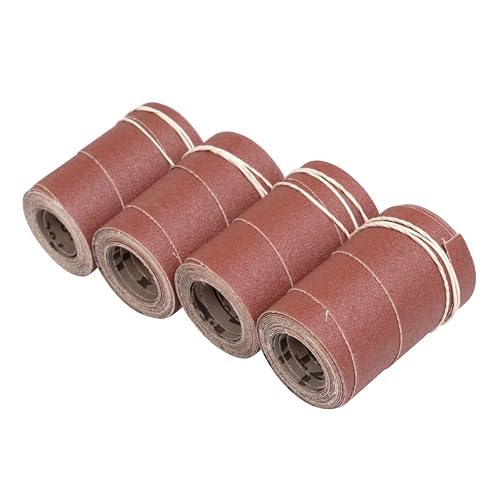
- Lightly sand the surface with fine-grit sandpaper (220 grit) to promote adhesion.
- Wipe the surface with a lint-free cloth to remove dust and particles.
- Using a high-quality brush or foam applicator, apply the clear coat evenly, working in the direction of the grain.
- Allow the first coat to dry according to the manufacturer’s instructions. This may take a few hours.
- Sand lightly again between coats to ensure smoothness. Clean the surface thoroughly.
- Apply a second coat for optimal protection and finish; repeat the drying and sanding process.
- For additional protection, a third coat may be beneficial, especially for high-use items.
Consider using a satin or semi-gloss finish depending on the desired look. Ensuring proper ventilation while working with clear finishes will also promote a better cure and minimize fumes.
After final application, allow ample curing time before putting the item to use. This can take up to several days for full hardness and durability to set in.
Choosing the Right Finish for Your Stained Furniture
Opt for polyurethane if durability is a priority. It’s resistant to scratches and moisture, making it a suitable choice for surfaces that will see regular use. Select between oil-based for a warm hue and water-based for a clearer look and faster drying time.
Lacquer as a Solution
Lacquer offers a high-gloss appearance and dries quickly. It’s ideal for achieving a smooth, professional finish on your piece, but requires careful application. Ensure you have proper ventilation due to fumes during the process.
Oil and Wax Considerations
If a natural look is preferred, consider using an oil and wax combination. This approach allows the grain to shine through while providing a rich, satin finish. It’s best for low-traffic items, as it requires regular reapplication to maintain the look.
Preparing the Surface for a Smooth Finish
Begin with thorough cleaning. Remove dust, grime, and debris using a damp cloth or tack cloth. Ensure that the surface is free from any residues that can interfere with adherence.
After cleaning, evaluate imperfections. Inspect for scratches, dents, or rough patches. Use sandpaper with a fine grit, typically 220-grit, to smooth out the surface. Work in the direction of the grain and avoid excessive pressure to prevent damage.
For stubborn areas or deeper marks, consider a coarser grit, such as 120-grit, followed by a finer grit to refine the texture. Ensure all sanding dust is removed before proceeding.
To enhance adhesion, apply a pre-treatment. A wood conditioner is beneficial, especially for porous species, ensuring uniform absorption of the subsequent coating. Follow the product instructions for application and drying times.
Lastly, verify the integrity of joints and connections. Tighten any loose parts to reinforce stability. This step eliminates potential issues during application and enhances the durability of the final treatment.
Following these steps leads to an optimal surface, priming it for subsequent applications.
Applying Topcoat: Techniques and Tips
Choose a high-quality brush or foam applicator for even distribution. I often prefer a synthetic brush for water-based finishes and a natural bristle brush for oil-based products, as they provide different results. Ensure the tool is clean to avoid imperfections.
Apply a thin coat, working in sections. I find a methodical back-and-forth motion helps maintain a wet edge and prevents streaks. Avoid overloading the brush; too much product can lead to drips and uneven surfaces.
Allow adequate drying time between coats. I typically wait at least 2-4 hours, depending on humidity and temperature, before applying the next layer. Always read the manufacturer’s guidelines for specific recommendations.
Lightly sand between applications with fine-grit sandpaper. This scuffing creates a better bond for the subsequent coat and eliminates imperfections. I generally opt for 220-grit paper and wipe down the surface with a tack cloth afterward to remove dust.
Experiment with different application techniques. For example, spraying can result in a smooth finish, though it requires practice. If using a spray, I prefer a well-ventilated area and wear a mask for safety.
Each environment is unique. Watch the local conditions when applying; high humidity can prolong drying times while low humidity may accelerate them. Adjust your approach based on these factors.
After the last coat, avoid placing items on the surface for at least a week to allow the finish to cure fully. This I find critical for maintaining the integrity of the coating.
Understanding Drying Times and Curing Processes
Observe that each type of applied coating requires specific drying and curing timelines. For instance, water-based finishes can dry within 1 to 2 hours, but they might need anywhere from 24 to 48 hours to fully cure. On the contrary, oil-based coatings typically dry to the touch in 6 to 8 hours and can take up to several days for complete curing.
Monitor humidity and temperature as these factors directly impact drying rates. Ideal conditions for application range from 65°F to 75°F with moderate humidity levels. High humidity can prolong drying times, while excessive heat may cause the finish to set too quickly, leading to imperfections.
Testing with a finger or a clean cloth can indicate readiness. If the surface feels sticky or leaves a residue, it requires more time. I often wait for a minimum of 48 hours before applying additional coats to ensure proper adhesion and strong protection.
Understanding the difference between drying and curing is paramount. Drying refers to the process when a coating becomes touch-dry, while curing signifies the chemical hardening that enhances durability. Ignoring this distinction can lead to unsatisfactory results, including peeling and dull appearances.
For optimal results, maintaining patience throughout the drying and curing phases is essential. I recommend allowing at least 2 weeks for complete curing before exposing the surface to frequent use. In this period, avoid placing heavy objects or exposing it to moisture, ensuring the longevity of the applied finish.
Maintaining and Caring for Finished Furniture
Regular cleaning is key. I use a damp cloth with a mild soap solution to wipe surfaces, ensuring no water damage. Afterward, I dry the surface with a soft, lint-free cloth to avoid streaks or spots.
Protecting from Damage
To prevent scratches, I place coasters under drinks and felt pads under accessories. Direct sunlight can fade colors, so I keep items away from windows or use curtains to filter light.
Rejuvenating the Surface
Every few months, I apply a furniture polish or beeswax to maintain shine and provide a barrier against moisture. It rejuvenates the appearance and adds protection from wear and tear.
Troubleshooting Common Issues in Finishing
If you encounter cloudy spots in your application, it may indicate inadequate drying between coats. Ensure each layer fully dries before adding another. Use a heat gun or hairdryer on low to assist drying, but keep the tool at a safe distance to avoid damage.
Runs and drips are usually caused by excessive application. To resolve, wait for the top layer to cure, then sand the affected area gently with fine-grit paper and reapply a thin coat. Apply with a steady hand and use a quality brush or cloth to control the amount of product released.
If you notice bubbles forming as you work, it’s often the result of an agitated surface or improper application technique. Avoid shaking the container; instead, stir gently. Allow the product to sit undisturbed for a few minutes before application to let air escape.
For streaking, a likely issue could be a dirty applicator or a surface that hasn’t been adequately prepped. Clean your brush or rag thoroughly before starting. If streaks persist, consider sanding the area lightly and applying the compound again with consistent, even strokes.
Uneven sheen can arise from varied application techniques or different drying conditions. Observe the workspace’s humidity and temperature. Use a controlled environment to maintain consistent results. A final buff with a soft cloth after curing may help achieve uniformity.
| Problem | Solution |
|---|---|
| Cloudy Spots | Ensure complete drying; use heat if necessary. |
| Runs and Drips | Sand affected area and reapply thin coat. |
| Bubbles | Stir gently; allow product to settle before application. |
| Streaking | Clean applicator and prep surface adequately; reapply. |
| Uneven Sheen | Maintain consistent environmental conditions; buff after curing. |