
 Caleb Turner
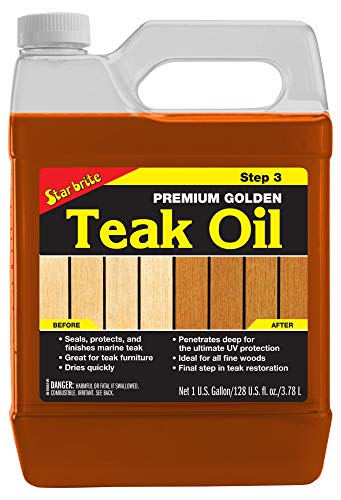
Opt for a high-quality teak oil to bring out the natural sheen of your creations. Apply it generously across all surfaces using a clean cloth, ensuring even coverage. Wait for a couple of minutes, then buff off any excess oil for a smooth finish that enhances the grain.
Consider sanding the surfaces lightly with fine-grit sandpaper before applying any treatment. This step helps remove old finishes and prepares the surface to absorb the oil better. Always sand in the direction of the grain to prevent scratches and achieve a perfect texture.
Maintenance is key to preserving the beauty of your pieces. Regularly wipe down the surfaces with a damp cloth to remove dust and dirt. Reapply the oil every six months to a year, depending on exposure to sunlight and moisture, to keep the wood looking fresh and vibrant.


Achieving Beautiful Results on Your Teak Installations
Begin with thorough cleaning. I utilize a mixture of mild soap and water to remove grime and oils. After scrubbing gently with a soft cloth, I ensure the surface is completely dry.
Next, I carefully sand the surface using fine-grit sandpaper, which helps in achieving a smooth texture. I always sand in the direction of the grain, which prevents any scratches or damage to the natural finish.
Once smoothed, I choose a protective coating that suits my needs. For outdoor pieces, I prefer a high-quality marine varnish, as it provides longevity against sun and moisture. For indoor items, a natural oil, like tung oil, penetrates well and enhances the rich color.
Applying the protective layer involves using a clean cloth or brush. I start with a thin coat, ensuring even distribution. After drying, I lightly sand between coats for optimal adhesion. Two or three coats usually yield a superb result, depending on desired gloss levels.
To maintain the natural beauty, regular upkeep is essential. Periodically, I lightly clean and reapply oil or varnish as needed. This practice not only preserves its appearance but also prolongs the lifespan of my treasured pieces.
Choosing the Right Finish for Teak
For optimal results, I recommend using an oil-based finish like Danish oil or teak oil, which penetrates deeply and enhances the natural characteristics of the surface.
Here are key factors to consider:
- Color Enhancement: Select a finish that preserves or enhances the warm tones. Oil finishes naturally bring out the rich hues of the grain.
- UV Protection: Look for products with UV filters if the piece will be exposed to sunlight, preventing fading and discoloration.
- Durability: Choose a penetrating oil for indoor use; however, for outdoor items, a marine varnish offers superior protection against weathering.
Application tips:
- Prepare the surface by sanding with fine-grit paper to create a smooth texture.
- Apply the chosen finish with a clean cloth or brush, moving in the direction of the grain.
- Allow adequate drying time between coats; typically, two to three applications are recommended for best results.
Stored furniture can benefit from regular maintenance. Periodically reapply oil or a thin coat of varnish to preserve its appearance.
Preparing Teak for Finishing
Begin with a thorough cleaning to remove dust, dirt, and oils. Use a mixture of warm water and mild soap applied with a soft cloth. Rinse well and let it dry completely.
Sanding Tips
After drying, I proceed with sanding. Use 120-grit sandpaper to eliminate rough spots and prepare the surface. Make sure to sand in the direction of the grain to avoid scratches. Finish with 220-grit for a smooth touch.
Moisture Content Check
Assess the moisture content using a moisture meter. Aim for a reading between 8-12%. If it’s too high, allow the piece to acclimate in a well-ventilated area until it stabilizes.
Always wear appropriate safety gear, including a dust mask and goggles, to protect against particles generated during sanding. This preparatory phase is crucial for achieving a flawless application later on.
Application Techniques for Teak Finishes
Using a brush, I prefer natural bristles for even application. A foam roller is another option for larger surfaces, providing smooth coverage without leaving streaks.
Methods
- Wipe-on method: I find this technique effective for oils and some varnishes. It allows for better control and prevents pooling.
- Spray application: For achieving a flawless coat, I choose a spray system. This method ensures minimal clumping and reaches intricate details.
- Roll and tip: Using a roller to apply the finish and then smoothing with a brush minimizes bubbles and defects.
Tips
- Maintain consistent pressure during application to avoid uneven layers.
- Work in small sections, allowing proper time for drying between coats.
- Sand lightly between applications to enhance adhesion and smoothness.
Each method suits different finishes. Testing on a hidden area helps in determining the best technique for your project.
Maintaining the Finish on Teak Furniture
Regularly clean the surface using a soft, damp cloth. Avoid abrasive cleaners that might scratch the surface. For stubborn stains, a mild soap solution works effectively without harming the protective layer.
Periodically apply a suitable restorative oil specifically designed for this type of timber. This infuses moisture, enhancing the natural appearance while providing a barrier against environmental factors.
Monitor for signs of wear or fading. If the sheen diminishes, reapply the oil to rejuvenate the surface and maintain the original appearance.
| Task | Frequency | Notes |
|---|---|---|
| Wipe Down | Weekly | Use a soft, damp cloth |
| Oil Application | Every 6 months | Select a product suitable for oily surfaces |
| Inspect for Damage | Monthly | Look for scratches or fading |
Store items like beverages on coasters to avoid moisture rings. For long-term surface protection, invest in covers when not in use, especially if exposed to sunlight or extreme weather conditions.
Common Mistakes to Avoid When Finishing Teak
Avoid using products not designed for natural oils. Many commercial finishes may not bond properly, leading to peeling or poor protection.
Neglecting to thoroughly clean the surface can result in imperfections. I always ensure that all dust and debris are removed before applying anything.
Overapplying the coat is a mistake I’ve seen often. Thin layers are key for a smooth, even application that allows the surface to breathe.
Rushing through drying times can ruin the result. Patience pays off; I always allow adequate time between applications for the best adhesion and finish.
Mixing different brands or types of products frequently produces undesirable effects. I recommend sticking to one manufacturer for compatibility.
Skipping the test patch is another pitfall. I always test a small area first to make sure the finish reacts well with the grain and color.
Failing to maintain the application tools can lead to inconsistencies. I clean brushes and rollers immediately after use to prolong their life and ensure even application.
Ignoring environmental conditions can affect the outcome. I avoid working in high humidity or extreme temperatures, as they can impact drying and final appearance.
Lastly, not updating the finish regularly can lead to degradation. I keep a schedule for reapplication based on usage and environmental exposure to maintain the integrity of the surface.
Restoring Old Teak Furniture Finishes
To rejuvenate aged surfaces, I recommend starting with a thorough cleaning. Utilize a mixture of mild soap and water to remove grime, ensuring I avoid excessive moisture. After scrubbing gently, I dry the pieces with a soft cloth to prevent any warping.
Next, I assess the existing polish. If it’s flaking or dull, using a fine-grit sandpaper helps. Lightly sand the surface, following the grain to remove old layers without damaging the material beneath. I wipe down the area with a damp cloth afterward to clear away dust particles.
For conditioning, I apply a high-quality teak oil or a specialized restorative product designed for this type of material. I pour a small amount onto a clean cloth and rub it evenly across the surface. It’s crucial to allow the oil to penetrate; therefore, I wait at least 15-30 minutes before buffing the excess off with another clean cloth.
If deeper scratches or stains are present, I might consider using a wood filler that matches the color closely, applying it carefully and sanding it smooth once dried. This step enhances the overall appearance significantly.
Lastly, maintaining the new luster requires periodic reapplication of the oil. Depending on exposure to sunlight or humidity, I typically re-oil every 6 to 12 months to keep the surfaces protected and looking fresh.


