
 Caleb Turner
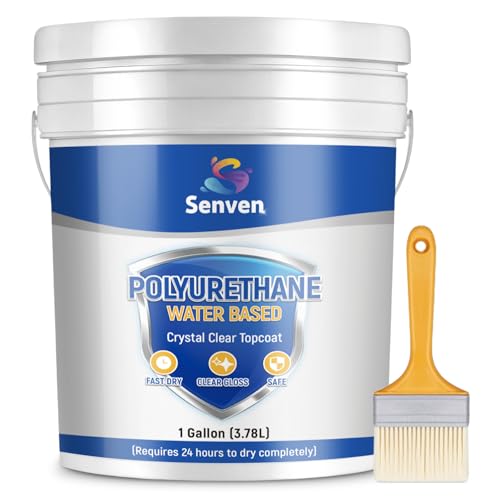
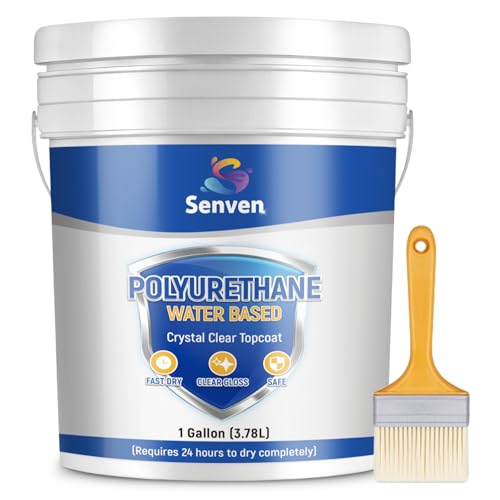
Always apply a high-quality clear coat to enhance durability and protect the newly painted surface. I prefer water-based polyurethane for its ease of application and low odor, which allows for a smoother finish without the harsh chemicals commonly found in oil-based products.
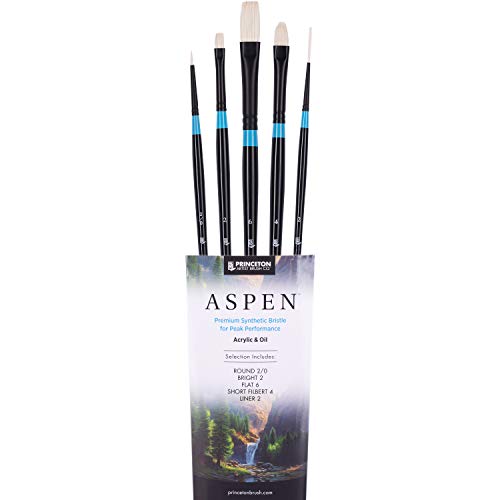
To achieve an even application, use a fine foam roller or a high-density brush, as they provide minimal texture and help eliminate brush strokes. Working in thin layers not only speeds up the drying process but also reduces the likelihood of drips and uneven patches.

After the initial coat has dried, I usually lightly sand the surface with 220-grit sandpaper. This step creates a better bond for the subsequent layers and results in a more polished look. Be sure to remove any dust with a microfiber cloth before applying additional coats.
For outdoor items, I opt for specialized exterior finishes. They offer superior protection against UV rays and moisture, ensuring that the colors remain vibrant over time. Following the manufacturer’s instructions is crucial to maintain the integrity and longevity of the finish.
Applying Protective Coating
Once the color is dry, I apply a protective layer to enhance durability. I prefer a clear polyurethane or varnish, depending on the intended use. The water-based options dry quickly and minimize odor. For high-traffic pieces, an oil-based product offers stronger protection, though it requires more drying time.
Surface Preparation
Before putting on any sealer, I lightly sand the surface with fine grit sandpaper. This ensures good adhesion. Cleaning with a tack cloth removes dust, resulting in a smoother finish.
Application Technique
I use a high-quality brush or foam applicator to apply the protective coat. I work in long, even strokes, following the wood grain. This helps to avoid bubbles and streaks. For a flawless finish, I recommend applying two to three thin coats rather than one thick layer.
Curing Time
After applying the final coat, I allow the item to cure undisturbed for a recommended period–usually 24 to 48 hours. This ensures that the protective layer has hardened completely before the furniture is put back into use.
Maintenance Tips
To keep the surface looking new, I recommend routine cleaning with a damp cloth and mild soap. Avoid abrasive cleaners and harsh chemicals to prolong the life of the finish.
Choosing the Right Topcoat for Painted Furniture
Consider water-based polyurethane for a clear finish that dries quickly and has low odor. This option offers excellent durability and is compatible with most paints. I recommend applying at least two coats, allowing sufficient drying time between applications.
If a more robust seal is required, look at oil-based polyurethane. It provides a rich, warm glow but takes longer to dry and has a stronger scent. Apply three to four coats for optimal protection.
For a matte appearance, opt for a flat or satin finish in either water- or oil-based products. These finishes conceal imperfections while still offering protection.
When working with chalk paint, a wax finish can enhance the rustic look. Apply a layer of wax with a soft cloth, buffing it in for a smooth finish. This approach provides a softer feel but may require more frequent maintenance.
Consider using shellac for a fast-drying option with a warm tone. It is perfect for enhancing the depth of color but should be avoided in high-moisture areas, as it can be susceptible to water damage.
If you prefer a unique texture or look, try gel tops. They offer a thick consistency that can add character, but they may require careful application to avoid streaks.
Ensure your workspace is well-ventilated, regardless of the product chosen. Test on a small area first to confirm compatibility and finish before proceeding with the entire piece.
Preparing the Surface for Finishing
Before applying any protective layer, ensure the base is clean, smooth, and free of imperfections. Here’s how I approach surface prep:
1. Cleaning
- Use a damp cloth to remove dust and dirt. If the surface is particularly greasy, a mild soap solution can help.
- Rinse with clean water and let the item dry thoroughly.
2. Sanding
- Employ fine-grit sandpaper (220-grit) to smooth out any brush strokes or imperfections. Sanding not only helps with adhesion but also creates a smoother finish.
- Focus on areas with rough edges or uneven surfaces, applying gentle pressure to avoid gouging.
After sanding, wipe down the surface again to eliminate any dust particles created during the process.
3. Filling Imperfections
- Use wood filler to treat dents or holes. Apply it with a putty knife and ensure it is flush with the surface.
- Once dry, lightly sand the filled areas until smooth, blending seamlessly with the surrounding material.
Following these steps will prepare your project perfectly for the protective coat, enhancing durability and appearance.
Applying the First Coat of Finish: Techniques and Tips
Prepare a clean area, ensuring proper ventilation. Gather materials: high-quality brush or foam applicator, lint-free cloths, and your selected sealant. Start with a test area to check compatibility and how the surface reacts.
Application Techniques
Apply the first layer using long, even strokes. If using a brush, work in the direction of the wood grain to prevent noticeable brush marks. For a foam applicator, avoid pressing too hard; let the product flow onto the surface. Overlapping each stroke slightly helps achieve uniform coverage.
Common Pitfalls to Avoid
Do not overload the brush or applicator; excess product may lead to drips or uneven texture. Avoid reworking areas that have started to set–patience is essential. If bubbles appear, lightly brush over them or use a fine sandpaper after it dries.
Timing is critical. Allow adequate drying time based on product specifications; this can range from a few hours to overnight. Before applying additional layers, inspect for any imperfections and sand lightly if necessary for a smooth finish.
Sand Between Coats: Why and How to Do It
To achieve a smooth texture and a professional look, I always sand between layers. This step removes imperfections, improves adhesion of subsequent coats, and minimizes the risk of visible brush or roller marks. Fine-grit sandpaper, typically between 220 to 320 grit, works best for this process.
Steps to Sanding
After the initial coat has dried completely, I take the following steps:
- Lightly Sand: Gently sand the surface using even pressure to avoid damaging the existing layer.
- Clean the Dust: Wipe the surface with a damp cloth or tack cloth to remove any dust or debris left from sanding.
- Check for Imperfections: Inspect the area; if needed, sand again to address problematic spots.
Tips for Success
Consistency is key. I make sure to sand all areas evenly to prevent any rough patches. If using power tools, a sanding sponge or orbital sander can be beneficial–but I often prefer manual sanding for more control. Lastly, always wear a mask to protect myself from dust particles during this process.
Choosing the Right Tools for Applying Finish
Selecting appropriate instruments is critical to achieving a polished outcome. I prefer using high-quality brushes for intricate surfaces and corners, while foam applicators work wonders for smooth areas. A spray gun can replace traditional methods for a consistent layer on larger sections.
| Tool Type | Best For | Recommended Use |
|---|---|---|
| Brush | Detailed edges and carvings | Use long strokes, keeping the bristles perpendicular to the surface. |
| Foam Applicator | Sleek, flat surfaces | Apply with a gentle, even pressure to avoid bubbles. |
| Spray Gun | Larger surfaces | Maintain a consistent distance for optimal coverage and avoid overspray. |
| Rag | Wax application or removal | Use a lint-free cloth for a smooth, even application without debris. |
For brush maintenance, clean them thoroughly to maintain bristle integrity. I often label my tools to prevent mix-ups and ensure I use the right one for each task. Consistent tool quality impacts the final texture and overall appearance, so I avoid cheaper options.
Making thoughtful choices regarding these implements enhances the overall process, leading to satisfying results. A combination of skills and appropriate instruments creates a strong foundation for achieving the desired aesthetic.
Understanding Drying Times for Different Finishes
When applying an overlay, knowing the drying times is critical to achieving optimal results. The drying phase varies based on the product type, environmental conditions, and application technique. Here’s a breakdown to consider:
Drying Times by Product Type
| Type of Finish | Initial Dry Time | Recoat Time |
|---|---|---|
| Water-based Polyurethane | 1-2 hours | 4-6 hours |
| Oil-based Polyurethane | 4-6 hours | 24 hours |
| Shellac | 30 minutes | 1 hour |
| Varnish | 1-2 hours | 6-8 hours |
| lacquer | 20-30 minutes | 1-2 hours |
Environmental Factors
Temperature and humidity significantly impact drying times. Ideal conditions typically range from 70°F to 85°F with relative humidity between 40-60%. High humidity levels can prolong the process, while warm and dry environments can accelerate it. Always check the manufacturer’s recommendations, as formulations may vary.
Patience is key; allow ample time between coats for the best adhesion and durability. Rushing the process can lead to unsatisfactory outcomes.
Avoiding Common Mistakes in Your Final Layers
Pay close attention to environmental conditions. High humidity or temperature extremes can cause finishes to dry improperly, leading to a blotchy appearance. Always check the weather before applying your product.
Layer Application Tips
- Apply thin, even layers. Thick coats can lead to drips and uneven drying results.
- Avoid over-brushing. Too much agitation can create bubbles in the finish.
- Use a consistent technique across the surface. This ensures uniformity in texture and sheen.
Cleaning Tools
Properly clean brushes and rollers immediately after use. Residue can harden and cause streaks or uneven finishes in subsequent applications.
Aging and Compatibility
- Check the compatibility of different products. Some paints and topcoats may not adhere well to each other.
- Allow sufficient curing time between applications. Rushing this step can lead to poor adhesion.
Regularly inspect your work for imperfections. Catching issues early allows for easier corrections and a better final appearance.
Adding Decorative Elements
To enhance the appeal of the piece, consider incorporating decorative accents after the protective layer is applied. These small additions can transform the entire look and feel.
Choose Appropriate Accessories
- Knobs and Pulls: Opt for unique hardware that complements the style of the item.
- Stencils: Use stencils to add patterns or designs on surfaces for a personalized touch.
- Decals: High-quality vinyl decals offer flexibility and can be easily removed if desired.
Texture and Layering
Integrate various materials to create a multidimensional effect:
- Fabric: Add a fabric overlay or cushion for added comfort and style.
- Glass: Use glass elements for a touch of elegance and brightness.
- Metal: Incorporate metal accents to introduce a modern or rustic feel.
Always ensure these decorative elements are securely attached and harmonize with the original aesthetic of the creation. This approach not only beautifies the piece but also allows for personal expression, making the item truly one-of-a-kind.
Caring for Finished Furniture: Maintenance Tips
Regular dusting with a microfiber cloth helps prevent scratches and build-up. I use a soft cloth to gently wipe surfaces, focusing on corners and textured areas where dust accumulates. For spills, I immediately blot with a damp cloth, avoiding harsh scrubbing, which can damage the coating.
To preserve the sheen, I apply a mild furniture polish or wax every few months. This not only enhances the appearance but also adds a protective layer. I prefer natural waxes, as they are less abrasive and safe for various surfaces.
It’s crucial to avoid extreme temperatures and direct sunlight. I position items away from radiators, air conditioners, and windows to prevent warping or fading. Utilizing coasters and placemats reduces contact with moisture and heat, further safeguarding finishes.
Check periodically for nicks or scratches, and address small issues immediately using touch-up paint or markers designed for the specific color. This proactive approach keeps surfaces looking fresh.
Once a year, I inspect joints and hardware, tightening screws and hinges as necessary to maintain stability. A little upkeep goes a long way in extending the life of these items.


