
 Caleb Turner
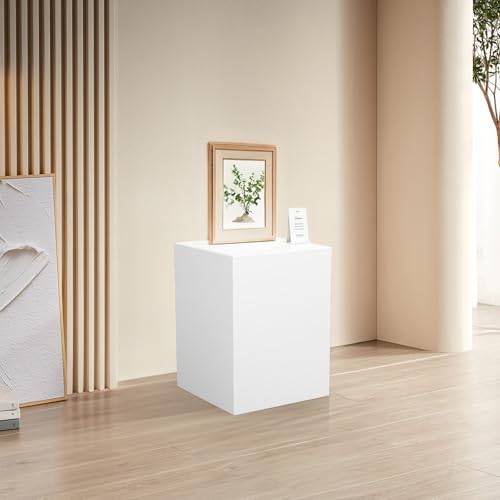
If you’re looking to locate a specific item just from a visual reference, leverage image search engines like Google Images. Upload the snapshot directly, and the search results may reveal similar products and purchasing options that suit your preferences.
Utilize mobile applications designed for visual recognition, like Pinterest Lens or CamFind. By simply pointing your camera at the object, these tools can suggest matches and vendors, streamlining the search process.


Join online forums or social media groups dedicated to interior design. Share your image and ask for assistance; often, community members can identify brands or specific models based on their knowledge and experience, enriching your hunt for that ideal addition to your space.
Lastly, don’t overlook local businesses, especially thrift stores or consignment shops. Bring a printed image to assist staff in locating items of similar style, potentially uncovering hidden gems that fit your vision.
Identification Techniques for Home Decor Items
Utilizing image recognition apps greatly simplifies the search for specific home decor items. Apps such as Google Lens or Pinterest Lens can analyze a visual and suggest similar items available for purchase. I recommend capturing a clear image, preferably with good lighting, to enhance the accuracy of results.
Online Marketplaces
Many platforms allow item searches based on visuals. Websites like Wayfair or Overstock offer visual search options. By uploading your image or entering keywords related to the item’s style and color, I can receive instant suggestions and links to potential purchases.
Social Media Tags
Leveraging hashtags on platforms like Instagram or TikTok is effective. I often search specific tags such as #homeinterior or #homedecor. Additionally, browsing similar images can lead to discovering sources and retailers frequently used by other users, which might not appear in mainstream searches.
- Use clear, well-lit images for best results.
- Check for style and color matches when uploading.
- Engage with online communities; often, others have identified similar items.
After identifying a potential match, verifying the dimensions and materials is essential to ensure that it suits my space. Visual identification is the start, but practical details confirm the choice.
Identifying Furniture Styles and Categories
Begin by examining the shape, materials, and finishes of the object in question. Distinct characteristics define various styles. For instance, mid-century modern pieces often feature clean lines, organic curves, and natural wood. In contrast, traditional designs may showcase ornately carved details, rich fabrics, and darker woods.
Key Features to Observe
Notice the legs: tapered legs indicate a mid-century modern or Scandinavian style, while turned legs suggest colonial or farmhouse aesthetics. Upholstery can also provide clues; for instance, geometric patterns may signal modern design, while floral prints often hint at vintage or country styles.
Material Considerations
Evaluate the materials used. Metal and glass are prevalent in contemporary creations, while wood types can indicate specific periods, such as oak in rustic styles or teak in Scandinavian designs. Additionally, luxurious fabrics like velvet or silk may imply an elegant or art deco influence.
Using Reverse Image Search Tools
To locate a specific item captured in a snapshot, reverse image search tools present a direct approach. Upload the image to services like Google Images, TinEye, or Bing Visual Search, and analyze the results for similar visuals. These platforms usually provide links to sites where identical or similar objects are sold, which aids in tracking down the original source.
Google Images
In Google Images, click on the camera icon to upload your photo or paste the link. The output will display visually similar items, along with the web pages they appear on. This feature helps pinpoint retailers or manufacturers featuring the same design.
TinEye
TinEye specializes in image searching. After uploading or entering a URL, it delivers results highlighting where that image appears online. It often yields unique sources that may not be found on broader searches, leading to unexpected discoveries.
Exploring Online Marketplaces for Similar Items
I recommend checking various online platforms such as eBay, Facebook Marketplace, and Craigslist to uncover alternatives that match the design you’re seeking. Use specific keywords related to the style and color that you captured in your image to maximize search results.
In addition to these, consider browsing Etsy for handmade or vintage options. Many artisans post unique creations that may closely resemble what you’re trying to replicate. Enter keywords reflecting the aesthetics, like “mid-century modern chair” or “industrial coffee table,” to yield precise results.
Another suggestion is Wayfair and Amazon, which feature extensive catalogs. Utilize filters such as material, color, and price range to narrow down what suits your budget and taste. Customer reviews and ratings can provide insights into the quality before making a purchase.
Utilizing Pinterest for visual inspiration can also be fruitful. While it might not directly sell items, it often links to stores or brands that offer similar goods, leading to additional avenues for exploration. Image searches on Pinterest can help trace back to sources of specific designs.
Using online tools that specialize in home decor, like Chairish or 1stdibs, enables access to both new and secondhand treasures. These platforms often house unique and high-quality items that traditional retailers might not carry.
Finally, consider joining online communities or forums dedicated to interior design and home decor. Engaging with fellow enthusiasts can yield recommendations for hidden gems or specific retailers that carry items closely aligned with your desired aesthetic.
Engaging with Interior Design Communities
Joining online forums and groups focused on home aesthetics can provide valuable insights. Platforms like Facebook, Reddit, and specialized design websites are excellent for connecting with enthusiasts and experts alike.
Participating in Discussions
Actively participating in discussions allows for the exchange of ideas and tips. Sharing your queries about specific items often leads to helpful responses from community members who have experienced similar searches.
Utilizing Social Media Groups
Explore dedicated groups on social media platforms where design lovers share finds and inspirations. Posting your image there can yield suggestions or even direct links to sources where you can acquire similar designs.
Collaboration is key–many community members enjoy assisting others in their quests. Engaging consistently will also update you on trends and lead you towards potential leads for your desired items.
Checking Brand and Manufacturer Details
I recommend examining labels or tags attached to the item to gather information about the brand or manufacturer. These details often reveal the company name, logo, and sometimes even the model number, which can lead to more specific inquiries.
Searching for the brand’s website can provide insights into their product range and available styles. Often, manufacturers showcase their collections online, making it easier to locate the specific item.
Social media platforms can be resourceful as well; brands frequently promote new arrivals, special editions, and collaborations. Following or searching for relevant hashtags may yield useful information.
If the object is vintage or discontinued, try contacting the manufacturer directly. Many companies have customer service representatives who can assist in identifying older models based on provided images or descriptions.
Sometimes well-known brands have distinct design elements or materials. Researching their manufacturing methods may help identify specific features that set their products apart.
Lastly, forums dedicated to enthusiasts and collectors can be invaluable. Engaging with these communities may lead to someone having expertise on the item or at least guide towards the right resources.
Utilizing Social Media for Furniture Identification
Leverage platforms like Instagram and Pinterest by searching specific hashtags related to design styles or brands. For example, using tags like #MidCenturyModern or #ScandinavianDesign can connect you with posts featuring similar items. Engaging with these posts can yield valuable leads.
Engagement Strategies
Post your image on social media, asking followers for insights. Include relevant hashtags to maximize reach. Groups on Facebook focusing on home decor or vintage items often have members knowledgeable about various styles and manufacturers, increasing the chances of a prompt response.
Use of Existing Networks
If you have connections in home design or retail, reach out directly to ask for identification help. They may recognize the style or suggest where to look. Mutual connections can provide a wealth of information quicker than broader searches.
| Platform | Strategy | Benefits |
|---|---|---|
| Search hashtags | Access to curated content | |
| Create a board | Visual comparisons across styles | |
| Join dedicated groups | Targeted insights from enthusiasts | |
| Post inquiries | Quick responses from broader audiences |
By actively participating and utilizing these methods, I’ve successfully identified numerous design elements that initially seemed elusive. Make these platforms work for you by harnessing the collective knowledge of online communities.
Visiting Local Furniture Stores for Clues
I suggest visiting nearby showrooms as an efficient way to gather information regarding a specific item. Local retailers often have knowledgeable staff who can assist with identification and provide insights into similar designs available for purchase. Carry a clear image of the object you are looking for, and don’t hesitate to ask for help. Store employees might recognize the style or the manufacturer behind it.
Making Connections with Sales Representatives
Engage with sales representatives while exploring the various collections. Share your image with them and describe any features that stand out in your mind. They may suggest items that align closely with your preferences or, at a minimum, direct you towards brands that resemble your desired style. Building a rapport with these individuals can be beneficial; they often have extensive knowledge about current trends and can hint at where to search for rare items.
Observing Showroom Displays
Take note of how different pieces are arranged in the showroom. The layout may give you ideas about the style or category of the item you’re after. Even if the specific chair or table isn’t present, seeing complementary decor can provide insights into what to look for in terms of color, texture, and overall style. Browse through similar collections, as many stores carry products from the same designers or manufacturers, increasing your chances of discovery.
Documenting Findings and Keeping Track of Options
Maintain a detailed record of every discovery, noting key aspects such as brand names, dimensions, colors, and materials. Utilize a spreadsheet or dedicated note-taking app to categorize and organize details for easier comparison later.
Create Visual References
- Take screenshots or save images of potential matches.
- Label each image with essential information: source, price, and description.
- Consider creating a digital mood board to visualize how various items align with your style.
Track Communication
Document interactions with sellers or manufacturers, including inquiries about availability, shipping options, and return policies. This can help in making informed decisions and avoiding potential misunderstandings.
- Keep emails or messages in a designated folder for easy reference.
- Note down date and time of communications for accurate follow-ups.
Regular reviews of collected data will help narrow choices and simplify the final decision-making process. It’s essential to stay organized to swiftly revisit options when required, ensuring no appealing option is overlooked.


