
 Caleb Turner

Begin by utilizing sturdy platforms such as cinder blocks or pallets to lift your belongings off the ground. Aim for a height of at least 12 inches to significantly reduce the risk of water reaching your cherished possessions.
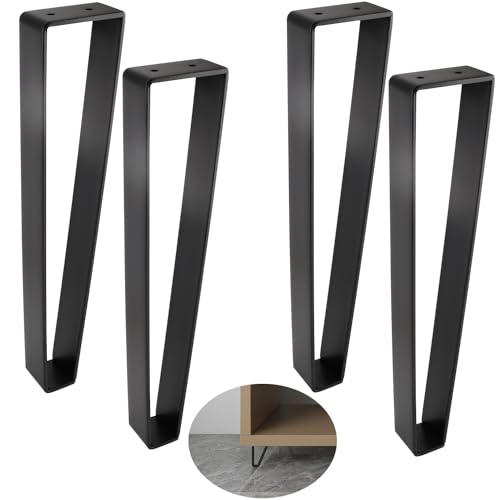
Secure large items, like sofas or dining tables, on furniture risers or platforms designed specifically for stability. This solution ensures that they remain elevated and mitigates damage from rising moisture levels.


For smaller objects, plastic bins with airtight lids provide an additional layer of protection. Store delicate or valuable items inside and place these containers on elevated surfaces. This simple strategy safeguards against unexpected water encroachment.
Additionally, consider relocating any electronics or appliances to higher levels, such as countertops or shelves. Avoid placing them on floors where standing water could cause irreparable harm. Regularly assess your environment for potential flood risks and adjust the positioning of your items accordingly.
Raising Your Belongings Above Water Levels
I recommend utilizing sturdy items like cinder blocks or wooden pallets to lift possessions off the ground. Ensure stability by arranging blocks in a solid formation. For valuable pieces, consider placing them atop multiple layers to create a buffer against potential water ingress.
Using Ramps and Platforms
Incorporate ramps using scrap wood to create a gradual incline, securing larger items in place with straps. For appliances and heavier objects, reinforced platforms can provide added height and security during rising waters.
Storage Solutions
Plastic bins with tight-fitting lids are ideal for safeguarding smaller items. Elevate these containers by stacking them on top of sturdy surfaces or each other, ensuring maximum defense against moisture. Always double-check the integrity of the chosen supports before relying on them.
Assess Your Furniture Type Before Elevation
Identify the material composition of your items. Wooden pieces, for instance, may absorb moisture, while metal items are typically more resistant. Knowing the base material aids in choosing appropriate elevation methods.
Categories of Items
- Upholstered Pieces: Consider using blocks or risers to lift sofas and chairs. These can help prevent dampness from seeping into the fabric and padding.
- Wooden Items: Elevating with sturdy platforms is advisable, as wood can swell or warp if exposed to water.
- Metal Pieces: Use adjustable stands to raise these above potential water levels. Most metals resist corrosion, but prolonged exposure should be avoided.
- Glass Structures: Handle glass carefully. Lifting them with cushioning will minimize the risk of breakage and safeguard edges from moisture.
Evaluate Size and Weight
Consider the weight of each piece. Heavier items may require stronger supports and may benefit from a more stable elevation system. Lighter components could utilize simple risers or blocks without concern for stability.
Review the design and functionality of each item. Some sections may need to be adjusted or disassembled for proper lifting. Keep practicality in mind when selecting raising solutions.
Choose Appropriate Elevation Materials
Selecting the right materials is critical for raising items above potential water damage. I recommend using sturdy plastic risers or blocks. They offer durability and resistance to moisture, ensuring items remain elevated securely. Look for those designed specifically for this purpose; they are often structured to handle significant weight.
Utilize Wooden Pallets
Wooden pallets are a practical option due to their availability and strength. Ensure they are in good condition and free from rot or damage. If needed, I suggest applying a waterproof sealant to protect against moisture. Position pallets on a flat surface to provide stability.
Consider Metal Stands
Metal stands work well for heavier items, providing robust support. Choose stands with rubber feet to prevent slipping. Options with adjustable heights are beneficial, accommodating various item sizes effectively. Just be cautious to ensure that the weight is distributed evenly across the stand to minimize risk.
Use Furniture Risers Safely and Securely
Ensure that the risers you select can support the specific weight of your items. Always check the manufacturer’s specifications, as each product has a designated weight limit.
When placing the risers, position them on a flat, stable surface. Uneven ground may lead to accidental tipping or sliding. Regularly inspect the surface to guarantee there are no cracks or debris.
Before placing items on the risers, test their stability by applying pressure. A secure fit is essential to avoid any risks. If possible, use non-slip pads to enhance grip and prevent movement.
| Tip | Description |
|---|---|
| Weight Capacity | Check specifications to avoid overloading components. |
| Stable Surface | Ensure a solid, level area for placement. |
| Stability Test | Apply pressure before fully loading to confirm steadiness. |
| Non-Slip Pads | Use pads to ensure enhanced grip and stability. |
Regularly check the risers during use. Look for signs of wear or deterioration, as this can compromise safety. Replace any damaged units immediately to maintain a secure arrangement.
If stacking risers, follow the manufacturer’s guidelines. Misalignment can increase the risk of collapse. Maintain a balanced distribution of weight across all supported areas.
Implement DIY Elevation Solutions
Creating a homemade lifting system can be a practical approach. Use sturdy blocks or repurposed pallets to raise items effectively. Ensure these materials are level and stable to prevent wobbling.
Modify Existing Items
Consider affixing casters to the bottom of heavier pieces, allowing for mobility while also achieving an upward lift. Choose wheels that lock in place to maintain stability when stationary.
Custom Build Platforms
Building wooden platforms can provide a tailored solution. Measure the dimensions of your items accurately to create a snug fit. Using pressure-treated wood will enhance longevity, especially in environments prone to moisture.
Strategically Rearrange Layout
Begin by moving large items away from vulnerable areas. Position heavier pieces against walls to provide support and stability. Group smaller items together in elevated spaces. Consider the flow of movement; ensure pathways remain clear for easy access during a crisis.
Utilize Vertical Space
In an emergency, maximize vertical storage. Shelves can hold smaller items safely above potential water levels. Keep frequently used items within reach, while seldom-used items can be stored higher. This approach not only conserves space but also protects objects from damage.
Create Zones for Protection
Designate specific areas for high-risk items like electronics and valuables. Reinforce these zones with barriers (like sandbags) to help divert water. Cluster essential items on elevated surfaces, allowing for swift relocation if necessary. This targeted strategy minimizes potential chaos during critical situations.
Protect Electrical Items from Water Damage
To safeguard electrical devices during potential inundation, I recommend relocating them to higher surfaces. Ensure that all cables are unplugged and organized, as excess length can create a risk for water exposure.
Utilize Waterproof Containers
Investing in waterproof storage bins is beneficial. I place sensitive gadgets within these containers, securing them with airtight lids. This method assists in keeping moisture at bay and can be crucial during severe weather conditions.
Employ Elevated Shelving
Installing shelves above the likely water level offers a straightforward solution. I prefer metal or heavy-duty plastic for durability. Whenever possible, keep critical items, such as surge protectors and chargers, on these high shelves. Sealing these items within a protective layer can provide an extra level of assurance against unexpected water exposure.
Consider Using Outdoor Storage Options
I recommend utilizing outdoor storage solutions to safeguard items from potential water damage. Waterproof containers are a practical choice; look for heavy-duty bins constructed from durable materials that resist elements and moisture. If possible, find raised storage units that promote airflow and prevent stagnant water accumulation.
Evaluate Available Spaces
Assess your outdoor areas, such as patios, decks, or garage, for suitable spots to place storage units. Ensure these locations remain accessible, even during inclement weather. If flooding is recurrent, investing in a shed or outdoor locker specifically designed for weather resistance may be worthwhile.
Proper Organization and Maintenance
Organize items within the storage units systematically. Use dividers or labeled bins to keep smaller belongings sorted, which can simplify retrieval when needed. Regular checks for moisture or mold will ensure that the contents stay in pristine condition. I often recommend placing silica gel packets or moisture absorbers inside to further control humidity levels.
Utilizing outdoor storage effectively can significantly mitigate risks associated with water exposure and help preserve valuable items.
Prepare for Quick Elevation When Flood Alerts Occur
I ensure a rapid response by gathering necessary materials in advance. Storing plastic bins, wooden blocks, or sturdy cinder blocks nearby allows immediate access during emergencies.
Create a Pre-Approved Plan
- I outline a systematic method for raising items, noting which pieces require priority attention based on their value and susceptibility to damage.
- A list of family members or friends ready to help during a crisis is prepared, ensuring I can coordinate efforts efficiently.
Establish a Ready-to-Go Kit
- I assemble a kit containing gloves, a flashlight, and a first aid kit for safety and preparedness.
- An extra pair of shoes and rain gear is included to keep myself comfortable and protect against wet conditions while moving items.
By maintaining this level of preparedness, I can act decisively when alerts signal potential water intrusion, protecting valuable belongings from damage before issues arise.
FAQ:
What are some effective methods to elevate furniture during a flood?
There are several practical methods to elevate furniture during a flood. One effective way is to use cinder blocks or bricks to lift furniture off the ground. If you prefer a more portable solution, furniture risers can be used to provide height and stability. Additionally, placing plastic or waterproof tarps underneath the furniture can offer extra protection against water damage. For larger items, using wooden pallets can elevate them significantly, while allowing for air circulation.
How high should I elevate my furniture to protect it from floodwaters?
The height to which you should elevate your furniture largely depends on the expected level of floodwaters. If you anticipate minor flooding, raising furniture at least 12 inches above the ground should be sufficient. However, in areas prone to more severe flooding, elevating furniture by 24 inches or more is advisable. It’s important to assess the potential water level in your area to make an informed decision.
What type of furniture is most at risk during flooding?
Furniture made from materials like particleboard, MDF, or untreated wood is particularly vulnerable to water damage because these materials can swell, warp, or disintegrate when exposed to moisture. Upholstered furniture may also absorb water, leading to mold and mildew growth. Metal furniture can rust if not properly treated, while leather furniture may stain or become discolored. Taking timely precautions to elevate or protect this type of furniture is crucial.
Can I use homemade solutions to elevate my furniture during a flood?
Yes, you can definitely use homemade solutions to elevate your furniture. For example, sturdy boxes, plastic bins, or old wooden crates can serve as effective risers. You can also stack books or magazines to create elevation, although this might not be suitable for heavier items. Just ensure any makeshift solution is stable enough to support the weight of the furniture while keeping it safely above floodwaters.
What should I do with electronics and appliances during a flood?
Electronics and appliances are particularly sensitive to flooding, so it’s important to elevate them as well. If possible, use shelves that are already elevated or create platforms using waterproof materials. If you anticipate severe flooding, it might be best to relocate smaller electronics to higher floors or areas that are less likely to be affected. For larger appliances, consider using commercial risers or sturdy pallets to keep them safe from water damage.
What are some practical methods to elevate furniture during a flood?
There are several effective methods to elevate furniture during a flood. One common approach is to use concrete blocks or bricks. You can place these materials under the legs of heavier furniture items to create distance from rising water. For lighter furniture, consider using plastic storage bins or shelves. These can help lift items off the ground. Additionally, if you have outdoor furniture, moving it to a higher location, such as an upper floor or a garage, can prevent damage. If there’s a significant risk of flooding, wrapping furniture in plastic sheeting or moving it to a safer area is advisable to protect it from water exposure.


