Caleb Turner
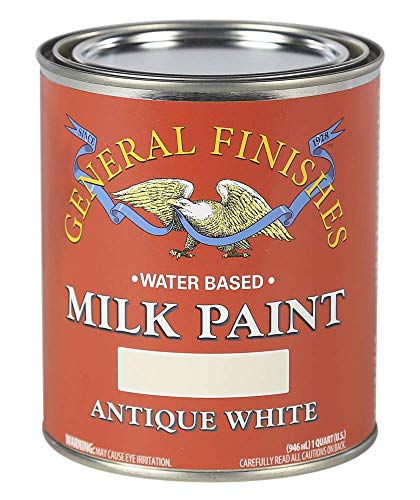
Begin by cleaning the surface thoroughly. A mixture of warm water and mild detergent is ideal. This step ensures the removal of any dirt or grease that could interfere with adhesion.
Select a high-quality acrylic or chalk-based product for a rustic feel. These types offer good coverage and a matte finish that works beautifully for transforming older items.
Apply a base coat evenly, ensuring it drys completely before moving on. A single coat often suffices, but for deeper colors, consider a second application to achieve desired depth.
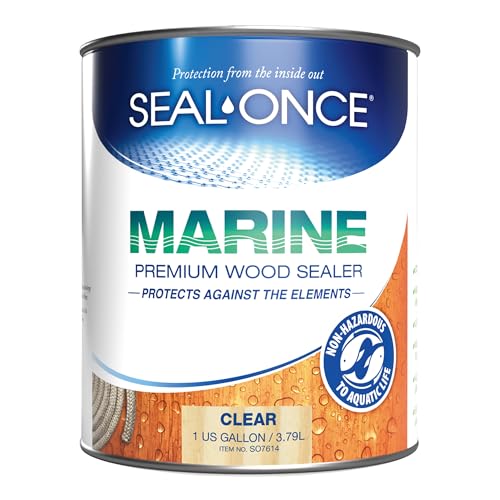

After the base is dry, use sandpaper or a sanding block to create a worn look on edges and raised areas. Focus on spots that would naturally show wear over time, enhancing authenticity in the appearance.
For an extra touch, incorporating a glaze can add character. Mix your choice of stain or glaze with a clear coat, then apply it lightly. This step can emphasize the texture and depth of your newly finished piece.
Finally, seal the surface using a clear protective finish. This ensures durability and enhances the overall appearance while offering a layer of resistance against spills and scratches.
Transforming Dull Surfaces with Coating Techniques
Begin by selecting a high-quality acrylic or chalk type of coating for optimal coverage. I recommend using a lighter shade to contrast effectively against the existing hue.
Next, prepare the surface thoroughly. Clean it with a mixture of soap and water, then allow it to dry completely. Lightly sand areas that seem overly glossy to help the new application adhere better.
Afterward, apply the first coat evenly. Using a brush or roller will provide better control over the application. Allow it to cure well–check the manufacturer’s instructions for precise timing.
Once dry, take sandpaper or a sanding block, ideally with fine grit, and selectively wear down edges and corners. This creates a natural, worn look. Pay attention to high-contact areas, such as handles and edges, as these spots typically receive the most wear.
Add additional layers if desired, continuing to sand between applications for depth. After completing the preferred textures, apply a clear sealer to protect your handiwork from daily use and enhance durability.
For an aged effect, consider using a wax or dark glaze to accentuate crevices and give more character to the piece. Apply a thin layer, wiping off the excess to achieve the desired intensity.
Finally, let everything cure fully before using the item. Check for any spots needing touch-ups, and enjoy your newly revitalized piece!
Choosing the Right Type of Paint for Distressing
Select chalk paint for achieving a matte, textured appearance that easily adheres to pre-finished surfaces. This option allows for effortless blending and sanding, adding character to your piece.
Consider milk paint for a more rustic look. Its natural, eco-friendly ingredients result in a distinctive finish. This type requires a bonding agent for non-absorbent surfaces, ensuring proper adherence.
Acrylic options provide durability and quick drying times, making touch-ups simple. They are versatile, suitable for various applications, and come in a broad color spectrum, allowing for personal expression.
Opt for enamel paint for a glossy, long-lasting finish. It withstands wear and tear effectively, making it suitable for frequently used articles. This choice requires careful preparation and priming for optimal results.
Experiment with different types to find which suits your vision best. Mixing paints can also yield unique textures and effects, contributing to the overall aesthetic.
Preparing Stained Furniture for Painting
First, I remove any hardware such as knobs, handles, and hinges to ensure a smooth finish. Then, I scrub the surface thoroughly to eliminate dust, grease, and grime. For this, a mixture of warm water and mild detergent works well. After cleaning, I rinse off any soap residue and let it dry completely.
Next, I lightly sand the existing finish using a fine-grit sandpaper. This step creates a key for the new layer, helping it adhere better. I focus on areas that are heavily worn or glossy, as those need additional attention. After sanding, I wipe the surface with a damp cloth to remove any dust created during the process.
Applying a Primer
Once dry, I choose a suitable primer to enhance adhesion and coverage. Applying a coat of primer not only ensures that the new layer appears even but also prevents any bleed-through from the stain. Depending on the color I intend to use, a tinted primer may be beneficial to achieve the desired shade more effectively.
Final Touches Before Painting
After the primer dries, I inspect the surface for imperfections. If I notice any uneven areas, I can lightly sand them again before proceeding. This preparation is crucial for achieving a flawless final look.
With everything prepped, I’m ready to bring my vision to life with new hues and styles. Each step I take in preparing the piece contributes to a successful transformation.
Applying the Base Coat: Techniques and Tips
For a solid foundation, I usually apply a quality primer or base coat first. This step is crucial for ensuring better adhesion of subsequent layers. I choose a water-based primer, which dries faster and reduces cleanup times.
Application Techniques
When applying the base coat, I use a high-density foam roller or a synthetic bristle brush. The roller provides a smooth finish for larger surfaces, while the brush is excellent for corners and intricate details. I typically start in inconspicuous areas to test my technique before moving to the main surfaces.
Maintaining a wet edge during application helps to prevent roller marks. I also avoid overworking the base coat; a light, even pressure ensures a consistent layer without brush strokes or bubbles.
Additional Tips
Before I begin, I make sure the environment is dust-free and well-ventilated. This not only improves the drying process but also ensures a clean finish. If needed, I sand the surface lightly with fine-grit sandpaper to promote better adherence of the primer.
Once the base coat is applied, I allow it to dry completely as per the manufacturer’s instructions. A light sanding between coats can help improve layer bonding and produce a more refined texture. I find that painting in thin layers, rather than thick ones, significantly reduces the risk of drips or uneven spots.
| Technique | Description |
|---|---|
| Roller Application | Use for large areas, providing a smooth, even finish. |
| Brush Application | Ideal for detailed or intricate sections and touch-ups. |
| Wet Edge Technique | Apply in a manner that maintains a wet edge to prevent marks. |
| Sanding | Use fine-grit sandpaper for surface preparation and between coats. |
Following these steps enhances the overall finish and sets the stage for an appealing final look. Patience and attention to detail at this stage yield the best results in the later phases.
Distressing Methods: Sanding, Scraping, and More
For achieving an aged appearance, consider the following techniques:
- Sanding: Use coarse-grit sandpaper to remove areas of varnish and expose the wood below, focusing on edges and corners for a naturally worn look. Finish with fine-grit sandpaper for smoother transitions.
- Scraping: A paint scraper or utility knife can be used to gently chip away layers of paint or finish. Target areas where wear would naturally occur, like handles or table edges.
- Brushing: A stiff-bristled brush can create texture. Choose a contrasting color for your base coat and apply it using a dry brush technique to enhance uneven areas.
- Washing: Diluting a contrasting hue or gray tone allows for a wash effect, letting the underlying color peek through. Apply with a soft cloth or sponge for a subtle finish.
- Staining: Pick a darker stain to apply over your base coat selectively. Wipe off excess to allow the base color to show through while adding depth.
Experimenting with each method can yield distinct results tailored to your preferences. Always test techniques on a small, inconspicuous area first.
- Layering: Combine different techniques for a unique finish. For instance, scrape first, then sand, and finish with a wash.
- Using Tools Wisely: Create varied looks using different tools–steel wool for a softer touch or a power sander for more uniformity.
Understanding the impact of each method will help create a customized look that enhances charm and character.
Using Glaze to Enhance the Distressed Look
Opt for a quality glaze to elevate the textured appearance of your project. A semi-transparent finish can enrich the underlying color and highlight imperfections beautifully. Choose a hue that complements the base coat, such as a darker shade to create depth.
Application Techniques
Mix the glaze according to the manufacturer’s instructions, usually one part glaze to one part water for dilution. Apply it lightly using a clean cloth or brush, working in small sections. Wipe away excess with a damp cloth to avoid overwhelming the base. Tap into the crevices to accentuate details.
Final Touches
For added dimension, consider layering multiple glazes. Allow each layer to dry completely before adding the next, enabling a rich, textured outcome. Seal the finish with a clear coat to protect the design and ensure longevity. This final step preserves the aesthetic while adding a subtle sheen.
Sealing the Finished Furniture for Durability
I recommend applying a protective topcoat after completing the new look of your piece. This layer not only enhances the final appearance but also guards against wear and tear. Choose a polyurethane finish for its durability, as it offers excellent resistance to scratches and moisture.
Types of Sealants
There are several options available when it comes to sealers. Water-based varieties dry quickly and have lower VOC levels, making them more environmentally friendly. Oil-based sealers, on the other hand, provide a richer finish but take longer to dry and require mineral spirits for cleanup.
Application Tips
Before applying the sealant, ensure the surface is clean and free of dust. Use a quality synthetic brush or a foam applicator to apply a thin, even coat, working in the direction of the grain. Allow each coat to dry completely before adding another layer; typically, two to three coats are ideal for optimal protection.
For a more textured finish, lightly sand between coats using fine-grit sandpaper. This not only smooths any imperfections but also helps the subsequent layers adhere better.
Lastly, let the finished item cure for a few days to reach its full hardness before use. Following these steps will keep your upgraded piece looking fresh and beautiful for years to come.
Maintaining Your Distressed Furniture Over Time
To keep your revitalized pieces looking their best, clean surfaces gently using a soft, damp cloth for dust and spills. Avoid harsh chemicals that can strip the finish. For routine upkeep, consider a mix of mild soap and water, ensuring to immediately dry any excess liquid to prevent water damage.
Regularly inspect the finish for signs of wear or chips. Should you notice any imperfections, lightly sand the affected area and apply a touch-up coat of sealant. This preserves the character while maintaining longevity.
Store your items away from direct sunlight and extreme temperatures. This helps prevent fading and cracking over time. If the items are in high-traffic areas, using coasters or placemats can protect surfaces against scratches and stains.
Consider applying a fresh layer of protective finish every few years, adapting to how much use the item sees. This helps ensure that the aged charm remains intact while fortifying the integrity of the surface.
For added character, I sometimes incorporate new techniques or colors alongside maintenance, allowing my collection to evolve visually while staying true to my original design intent.