
 Caleb Turner
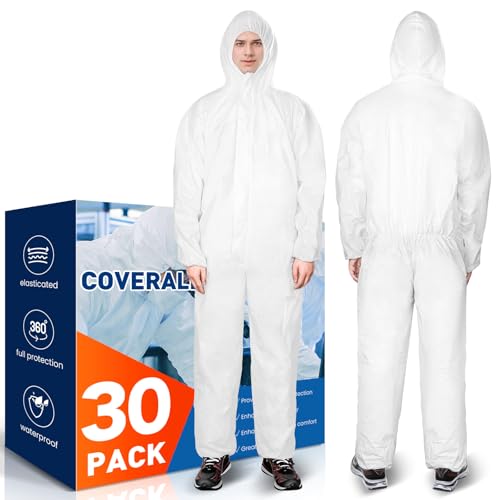
The immediate step involves wrapping the affected items in airtight plastic sheeting. This prevents any remaining pests from escaping and additionally limits the spread to other areas. Ensure the sheets are secured tightly with tape.
Next, it’s crucial to check local regulations regarding the proper disposal of these materials. Some municipalities provide specific instructions, including designated drop-off points or scheduled bulk pickup services. Always follow these guidelines to avoid fines and ensure eco-friendliness.


Before parting with these possessions, consider any reusable components. For items that can be salvaged or donated, thorough cleaning and treatment should be administered to eliminate any hitchhikers. If unable to salvaging, the items should be discarded as per the aforementioned guidelines.
Finally, after the items are removed, it’s beneficial to conduct a thorough inspection of the surrounding area. Vacuuming carpets, upholstered surfaces, and other potential hiding spots eliminates any remaining pests. Following this, a professional pest control service may be employed to ensure comprehensive eradication.
Steps for Safely Disposing of Infested Items
Seal the infested pieces in heavy-duty plastic bags. Ensure all seams are securely closed to prevent any escape. Doing this minimizes the risk of spreading any unwanted pests during transportation.
Labeling and Local Regulations
Clearly mark the bags with labels indicating that they contain contaminated materials. This alerts anyone handling them of potential hazards and ensures adherence to local disposal regulations. Many municipalities have specific guidelines for hazardous waste disposal; check with your local waste management facility to comply with these rules.
Consider Recycling or Donation Restrictions
Do not attempt to recycle or donate any affected items. Most charities refuse goods with signs of infestation. Properly destroying or discarding the pieces protects others from the same issues, contributing to community health and safety.
Identifying Infestation in Your Items
Look closely for small, dark brown or black spots, which are waste from these pests. A thorough inspection reveals their egg shells, often found in crevices or seams. These eggs appear as tiny, white, and oval-shaped; difficulty locating them does not negate their presence.
Check for shed skins, which are lighter and resemble the shape of the critters, as they molt several times during their life cycle. Their presence signals an established population. Pay attention to nighttime activity; if I notice small bites or irritation after sleeping, it further points to a problem.
Sound often goes unnoticed, but rustling sounds may indicate movement, especially if items have been in contact with infected spots. Utilize a flashlight to inspect dark crevices and voids where the critters might hide.
Finally, monitor for any musty odors in affected items, as a significant build-up may produce a distinct scent. Identify these clues effectively enables me to evaluate the severity of the situation and take appropriate action.
Preparing Furniture for Disposal
Seal items in plastic wrap or heavy-duty trash bags to contain any pests. This action prevents spreading during transport or while waiting for collection. Ensure each piece is securely enclosed.
Label all wrapped items clearly, marking them with “Caution” or “Infestation” to alert anyone handling them. Use markers that won’t wear off easily to ensure visibility.
Consider removing or disassembling any removable parts like legs or cushions which might make transport more manageable and further inhibit any escape of pests. Keep these sections wrapped as well.
Before discarding, contact local waste management or sanitation services for specific guidelines on item collection. Some areas may have designated collection days for affected items, or specific drop-off locations.
Maintain a record of all actions taken, including photographs of the sealed items and any communication with waste services. This documentation might be valuable for any follow-up actions or potential disputes.
| Action | Description |
|---|---|
| Seal Items | Use plastic wrap or heavy-duty bags to contain any pests. |
| Label Clearly | Mark items with caution notices for handlers’ awareness. |
| Disassemble Parts | Remove legs or cushions for easier transport and better sealing. |
| Consult Services | Check with local waste management for disposal guidelines. |
| Document Actions | Keep records and photos of sealed items and any service communications. |
Methods for Safe Disposal of Infested Items
Wrap the item in thick plastic sheeting, ensuring all openings are sealed to prevent escape of any pests. Use at least two layers of thick, durable plastic to minimize any risk.
Label the wrapped item clearly as “Do Not Use” to inform others about its condition. This prevents accidental exposure.
Transport and Disposal
- Choose a suitable vehicle for transportation that can accommodate the wrapped item securely, avoiding any damage during the journey.
- Contact local waste management services prior to disposal to ensure compliance with regulations regarding infested materials.
- Consider utilizing a designated drop-off site if available, as it may provide specific instructions for handling such materials.
Destruction Methods
If safe to do so, disassemble items prior to disposal to limit size and make transport easier. For wooden structures, consider breaking them down to prevent reuse.
- Burning: In areas where it is legal, burning destroyed items is a thorough eradication method.
- Landfill: Places accepting such items often require them to be wrapped and labeled.
Always wear gloves and a mask during handling to protect against potential allergens or bites. Following these guidelines helps ensure a safe and responsible approach to managing contaminated possessions.
Protecting Your Home During Disposal
Before removing any contaminated items, ensure you wear protective clothing, such as long sleeves, gloves, and sturdy shoes. Additionally, it’s prudent to keep your living space isolated from the area where you are handling these materials.
Seal the items in thick plastic bags or tarps immediately. This will contain any potential pests and prevent them from spreading. Use heavy-duty tape to secure the openings of the bags, minimizing any risk of escape.
Clear a direct path from the disposal site to your home exit. This reduces any chances of accidentally leaving traces behind. Conduct a thorough cleaning of the surrounding area after handling the materials to eliminate any lingering threats.
Consider placing a sign on the items indicating they are not safe, discouraging others from approaching or taking them. Inform local waste management services of the potential hazard before collection to ensure proper handling.
Lastly, monitor your home closely for any signs of resurgence after disposal. A proactive approach can significantly mitigate risks associated with regression.
Informing Local Waste Management Services
Contact your local waste collection service before discarding items. Provide them with details about the presence of pests in the materials you intend to remove. This ensures their personnel are aware and can handle the situation appropriately.
Request any specific guidelines or protocols your waste management company requires for collection. Some services may offer designated pickup days for such materials or have particular drop-off locations for safe disposal.
Documentation and Scheduling
Keep records of your communication with the waste management team. If applicable, schedule a collection time that fits both your needs and theirs. Proper documentation can assist in establishing a timeline that ensures prompt removal.
Community Resources
Explore local community resources such as health departments or pest control organizations for additional support. They may provide insights on best practices for managing potentially contaminated items and connect you with programs designed for safe waste handling.
Recycling Options for Non-Infested Materials
Many materials from your belongings can be recycled instead of finding their way to landfills. Identify items that are free from any signs of contamination and consider the following avenues for proper recycling:
Electronics and Appliances
- Check local electronics recycling centers that accept items such as televisions, computers, and small appliances.
- Look for special recycling events in your area, often sponsored by local governments or environmental organizations.
Wood and Fabric
- For wooden structures, consider contacting local salvage yards. They often accept good-quality wood for reuse in construction or furniture making.
- Textiles can be donated to charities or recycling centers that focus on fabric. Ensure they’re clean and not damaged.
Before proceeding, always verify recycling protocols in your locality to ensure compliance with local regulations. This maximizes the chance that these materials are processed efficiently and responsibly.
Preventing Future Infestations After Disposal
Seal all entry points in the home, such as cracks in walls and gaps around windows, to create a barrier against re-invasion. This proactive measure ensures that any potential pests cannot easily access the indoor space.
Regular Inspection
Conduct thorough inspections of personal items, especially those purchased second-hand. Examine seams, folds, and hidden compartments to catch any signs of a resurgence early on.
Maintain Cleanliness
Frequent vacuuming of carpets, rugs, and upholstered surfaces disrupts any life cycle of pests. Dispose of vacuum bags immediately in a sealed bag outside to prevent any escaping individuals.
Store items in airtight containers to limit the chances of attracting unwanted visitors. Additionally, laundering bedding and clothing in hot water weekly deters resurgence, as high temperatures eliminate potential invaders.
FAQ:
What steps should I take to dispose of bed bug infested furniture safely?
To safely dispose of bed bug infested furniture, you should first consider sealing the furniture to prevent the bugs from escaping. Use plastic wrap or heavy-duty garbage bags to cover the item completely. Then, label the item clearly, indicating that it contains bed bugs. This helps inform others and prevents accidental contact. After that, you can arrange for bulk waste pickup in your area, or take it to a designated disposal facility that accepts hazardous waste. Always check local regulations regarding the disposal of infested items to ensure compliance.
Can I donate furniture that has been infested with bed bugs?
No, donating furniture that is infested with bed bugs is not advisable. Bed bugs are easily spread and can create problems for other people. Most charitable organizations will not accept furniture that is infested or even suspected of being infested. Instead, focus on proper disposal methods to prevent further spread of the infestation. It’s important for the health and safety of others to ensure that any infested items are dealt with appropriately.
What should I do if I accidentally come into contact with infested furniture during disposal?
If you accidentally come into contact with infested furniture during disposal, the first thing to do is to remove any clothing that may have come into contact with the furniture and place it in a sealed plastic bag. Next, wash your hands thoroughly with soap and water. If possible, take a shower to minimize any potential spread of bed bugs. Inspect your skin for any bites or signs of bed bugs. If you notice bites or are concerned about exposure, consider contacting a pest control professional for advice on how to address the situation.
Are there any environmentally friendly options for disposing of bed bug infested furniture?
While it can be challenging to find environmentally friendly options for disposing of bed bug infested furniture, some strategies can help. Check with local waste management services to see if they have specific programs for hazardous waste or infestations. Some communities may offer pest control services that can treat the furniture before disposal. Additionally, consider recycling the materials if they are in acceptable condition and can be treated effectively. Always prioritize safety and legality during the disposal process to avoid spreading the infestation.


