
 Caleb Turner

To clean and sanitize vintage timber pieces effectively, I recommend using a solution of equal parts white vinegar and water. This natural blend not only eliminates surface grime but also addresses potential bacteria nestled within the grain.
Prior to applying the solution, I ensure the item is free from dust and debris. A soft microfiber cloth works best for this task, allowing me to gently remove any loose particles without scratching the surface. Once the initial dusting is complete, I dampen a clean cloth with the vinegar-water mix and wipe down the surfaces thoroughly.
For more robust cleaning, especially if the timber has been subjected to years of neglect, I might opt for a paste made from baking soda and water. This mildly abrasive compound can tackle stubborn stains without damaging the wood. After scrubbing gently with this paste, I always wipe down with a damp cloth, followed by a dry one to prevent moisture absorption.
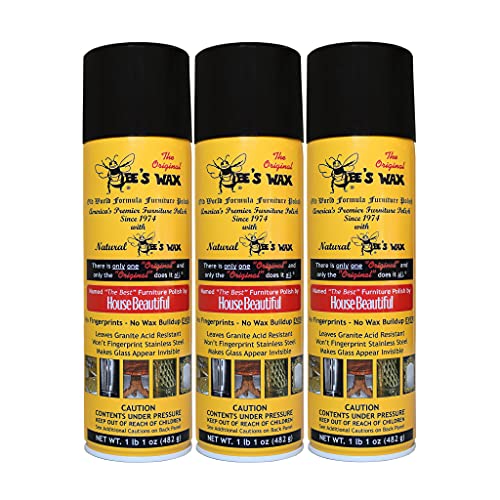


Following the cleaning, I find it beneficial to apply a natural oil, such as linseed oil, to nourish the wood. This step not only enhances the appearance but also serves as a protective layer against future contaminants.
Disinfecting Vintage Wooden Items
I recommend using a solution of equal parts water and white vinegar for cleaning surfaces. Apply it with a soft cloth, ensuring it’s damp, not soaked. This method helps eliminate germs without damaging the finish. For areas with stubborn stains or grime, a mixture of baking soda and water creates a gentle abrasive paste. Rub it gently in a circular motion; then wipe with a clean, damp cloth.
Utilizing Essential Oils
Consider incorporating essential oils like tea tree or lavender. These oils possess antimicrobial properties. Dilute a few drops in your cleaning solution or mix with a carrier oil for application. Not only does this approach assist in sanitation, but it gives a pleasant aroma as well.
Regular Maintenance Tips
After the cleaning process, apply a natural beeswax or plant-based polish to protect the surface. This creates a barrier against dirt and moisture. Conduct this maintenance every few months, depending on usage, to prolong the lifespan of your treasured pieces.
Assessing the Condition of Your Wooden Items
Begin by thoroughly examining the surface for signs of wear, such as scratches, dents, or discoloration. Use a soft cloth to gently wipe the surface and reveal any hidden imperfections. Pay attention to areas prone to moisture damage, particularly joints and corners.
Identifying Structural Integrity
Check for stability by gently shaking or wiggling the piece; any looseness may indicate a need for repairs. Inspect joints and connections–dowels, screws, and glue points must be secure for durability.
Examining Finish and Coating
Assess the condition of the finish. If it appears cloudy, sticky, or peeling, it may require stripping and refinishing. Look for any signs of mold or mildew, often visible as dark spots or fuzzy growths. Affected areas must be handled specifically to avoid further damage.
- Inspect crevices and carvings for dirt accumulation.
- Check for any unusual odors, which may suggest deeper issues.
- Consider the age of the piece; antiques may require more delicate care.
Document your findings, as this will help in deciding the best approaches for restoration or cleaning later on.
Choosing the Right Cleaning Solution for Wood
Opt for a solution specifically formulated for natural surfaces. Clear choice includes a mild soap mixed with warm water or a mixture of vinegar and water. Always test on a hidden area first.
- For general cleaning: Combine one cup of soap (like castile soap) with a gallon of water.
- For deeper cleaning: Use a blend of one part vinegar to ten parts water, ensuring it is not overly saturated.
- Avoid solutions with bleach, alcohol, or abrasive agents; these can damage finishes.
Consider pH-neutral products which maintain the integrity of the surface. Look for specific brands targeting antique or sensitive materials, as they often have fewer harsh chemicals.
Natural oils, such as lemon oil or mineral oil, can enhance the appearance while providing a light protective layer. Mix a few drops into your cleaning solution for added benefits.
Remember, less is often more. Use damp cloths rather than soaking the material, ensuring no excess moisture seeps into joints or seams.
- Choose your cleaner based on the finish: oil-based, water-based, or waxed.
- Assess the residue and dirt type when selecting the solution.
- Regularly maintain to prevent build-up; clean frequently but gently.
By choosing the right cleaner, you can maintain the aesthetic and longevity of your treasures while ensuring their safety during the cleaning process.
Preparing the Furniture for Disinfection
First, I ensure that the area where the piece will be treated is well-ventilated. This helps avoid exposure to fumes from any cleaning agents. I then remove all items from the surface, including decorations and accessories, to provide an unobstructed work area.
I check for loose hardware, such as knobs or hinges, and tighten them if necessary to prevent any damage during cleaning. If the structure is unstable, I address these issues before proceeding further.
Next, I perform a thorough inspection of the surface, noting any scratches, stains, or discoloration. I pay close attention to joints and corners where dust and dirt accumulate more easily. This step is vital to determine the appropriate cleaning method and solutions.
Once the assessment is complete, I vacuum or dust the entire surface with a soft cloth to remove loose particles. This minimizes the risk of scratching or damaging the finish when applying wet solutions.
If the piece has been previously treated with oils or wax, I might need to use a mild solvent to ensure compatibility with the cleaning agent I plan to use. I make this decision based on the original finish and condition observations.
Finally, I prepare myself with gloves and a mask if required. This ensures safety while handling potentially harsh chemicals and protects both myself and the piece during the treatment process.
Applying Disinfectant to Wood Surfaces
Use a soft, lint-free cloth to gently apply the chosen cleaning solution to the surface. Dampen the cloth slightly, ensuring it is not soaking wet, as excess liquid can damage the finish or penetrate the grain.
Work in small sections, applying the disinfectant evenly to avoid streaks. Always follow the manufacturer’s instructions for the specific product, focusing on dwell time – the length of time the solution should remain on the surface before wiping it off.
For stubborn spots or areas with accumulated grime, use a soft-bristled brush to apply light pressure, taking care not to scratch the finish. Rinse your cloth regularly to avoid redepositing dirt.
After application, use a separate dry cloth to buff the surface. This not only removes any remaining solution but also helps restore some shine and luster.
If working with a product containing strong chemicals, ensure proper ventilation. It’s advisable to wear gloves for skin protection and to prevent any adverse reactions while handling potent solutions.
After treatment, allow the surfaces to air dry completely, ensuring no moisture is trapped in joints or crevices, which could lead to mold or deterioration over time.
Removing Dirt and Grime Before Disinfection
Begin with a thorough dry dusting using a microfiber cloth to capture loose particles. This initial step prevents scratching surface finishes when moving to the next stages. Prioritize hard-to-reach areas like joints and crevices where debris tends to accumulate.
Next, create a mild soapy solution–one part dish soap to five parts warm water. Lightly dampen another clean cloth with this mixture, avoiding any excessive moisture that could warp materials. Gently wipe down surfaces, applying slight pressure to lift stubborn spots. Rinse your cloth frequently to avoid redistributing grime.
For ingrained dirt, a soft-bristle brush can be effective, especially for carved or textured surfaces. Use it alongside the soapy solution to dislodge stubborn particles without causing abrasion.
After this cleaning, it’s crucial to dry surfaces immediately with a dry cloth to prevent moisture buildup. This step ensures that the item is ready for treatment, minimizing any potential damage during the subsequent application of sanitizing agents.
| Step | Method |
|---|---|
| Dusting | Use a microfiber cloth |
| Washing | Soapy water solution with clean cloth |
| Scrubbing | Soft-bristle brush for textured areas |
| Drying | Immediate wiping with a dry cloth |
Sealing and Protecting After Disinfection
After thoroughly cleaning and sanitizing your antique pieces, my next step is to apply a suitable sealant. Selecting a high-quality clear finish, such as polyurethane, provides a durable protective layer. Water-based formulations are preferable due to their low odor and rapid drying time.
Before applying the finish, I ensure that the surface is completely dry and free from any cleaning residues. Lightly sanding the surface with fine-grit sandpaper enhances adhesion and smoothness. Always wipe off any dust with a damp cloth after sanding.
I prefer applying the sealant with a high-density foam brush or a soft cloth, working in thin, even coats to avoid drips and unevenness. Allow adequate drying time between each coat, typically following the manufacturer’s guidelines. Two to three coats usually provide optimal protection.
After finishing, I advise waiting at least 24 hours before using or placing items back on the surface. This waiting period ensures that the film formed by the sealant is fully cured and provides maximum durability. Regularly check the finish for wear and maintain the integrity by reapplying sealant as needed every few years.
Regular Maintenance Tips for Antique Wooden Pieces
Regular dusting is a must. I use a microfiber cloth, as it attracts dust without scratching surfaces. Every week or so, I make it a habit to gently wipe down all surfaces and crevices.
Moisture Control
Keeping humidity levels stable is crucial. I place a dehumidifier in rooms with high moisture to prevent warping and rotting. Consider using silica gel packs in draws or storage areas to absorb excess moisture.
Periodic Polishing
I apply a natural oil or wax every few months for added protection and shine. It enhances the finish while providing a protective barrier against dirt and scratches. I prefer using beeswax or a blend of carnauba wax for a rich lustrous appearance.
Be conscious of placement. Avoid direct sunlight to prevent fading or cracking. I reposition items to minimize exposure from strong light sources. Using coasters and placemats will protect surfaces from heat and moisture damage.
Lastly, inspect regularly for signs of wear, such as cracks or loose joints. Early detection helps to address issues before they escalate into costly repairs. Tighten screws and apply wood glue when necessary to maintain integrity.


