Caleb Turner

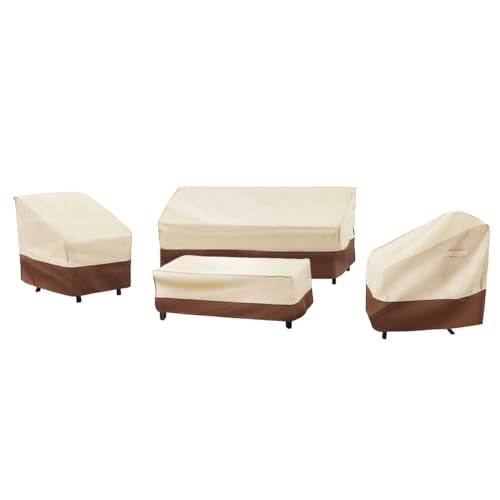
Begin with placing a physical barrier, such as a protective cover, over your outdoor seats. This simple action not only protects against dirt and damage but also deters unwanted wildlife from making themselves at home. I’ve found that covers made of durable, weather-resistant materials work best in creating an effective shield.
Another method involves utilizing natural repellents. Citrus peels, for instance, are known for their strong scent that many creatures avoid. Strategically placing peels around the seating area can work wonders. Additionally, commercial sprays made from essential oils like peppermint can further enhance this deterrent effect.
Regular cleaning routines are essential as well. By keeping cushions and surfaces free from crumbs and spills, I minimize attractants that draw attention. A quick wipe-down after meals ensures that my outdoor area remains unappealing to intruding creatures.
Lastly, consider adjusting your surrounding environment. Planting certain herbs, such as rosemary or mint, can create a natural barrier. The strong aromas of these plants often repel various fauna while enhancing the beauty of your outdoor space.


Strategies to Keep Rodents Off Outdoor Seating
Place a fine mesh netting over the seating area to create a barrier that will prevent access while allowing airflow.
Regularly clean surfaces to eliminate any food residue, as this attracts unwanted visitors.
Utilize motion-activated sprinklers that can startle intruders, encouraging them to seek elsewhere for their escapades.
Consider using ultrasonic repellents that emit sounds unpleasant to these creatures but inaudible to humans.
Incorporate natural deterrents, such as predator urine or strong-smelling substances like pepper or citrus peels.
Store cushions and throws in sealed containers when not in use, reducing the temptation to explore.
- Install physical barriers like screens or railings to obstruct entry points.
- Plant strong-scented herbs, such as mint or rosemary, around the area to discourage visits.
- Maintain a tidy environment, clearing away fallen nuts or seeds that attract wildlife.
Monitor movement patterns to identify peak times, and adjust strategies accordingly, ensuring optimal results.
Identify Common Attractants
To minimize unwanted activity around my outdoor seating, I focus on eliminating key attractants. Here are specific items to address:
- Food Sources: Leftover meals or snacks should be promptly cleaned up. Even small crumbs or spills can draw attention.
- Bird Feeders: If I have a feeder nearby, it’s essential to keep it clean and consider placing it away from seating areas to reduce stray seeds and nuts.
- Gardens: Fruits and vegetables can attract attention. Properly harvesting and managing my garden reduces easy food access.
- Trash Bins: Securing garbage bins with tight-fitting lids prevents access to food waste. I ensure bins are emptied regularly.
- Compost Bins: If I maintain a compost pile, using a closed bin and avoiding certain food scraps can help minimize attraction.
Addressing these common attractants makes my outdoor space less appealing and discourages visits.
Choose the Right Materials for Furniture
Opt for sturdy materials like metal or high-density polyethylene (HDPE) that resist gnawing. This selection discourages critters by making it difficult to chew through. Wooden items attract moisture and can become a target; actually, consider treated wood or composites that are less palatable.
Weather-Resistant Options
Choosing weather-resistant materials is key. Aluminum frames or synthetic wicker handle rain and sun without deterioration. These options help deter attention by reducing moisture accumulation which can attract unwanted visitors.
Textiles That Repel
Incorporate fabrics treated with repellents or designed to be less appealing. While cotton and natural fibers can be friendly, they might invite curiosity. Opt for polyester or marine-grade fabrics, which offer durability and a smoother surface, reducing the likelihood of wildlife lounging.
Use Natural Repellents to Create Unpleasant Environments
I recommend using a blend of natural repellents to create an environment that’s unappealing to those furry invaders. Mix equal parts of cayenne pepper and water in a spray bottle. This mixture can be applied to surfaces of your outdoor seating arrangements. The strong scent and taste will often deter them.
Essential oils can also be effective. Spraying a solution of peppermint or citrus oils mixed with water around the area can create an unfavorable atmosphere. I suggest reapplying this spray after rain or every few days for optimal results.
Another option is vinegar. A simple solution of vinegar and water can be sprayed onto cushions and tables. The pungent aroma is typically unpleasant for small critters.
Lastly, consider planting certain herbs nearby. Rosemary, mint, and lavender not only add beauty to your space but also act as natural repellents due to their strong fragrances. I find that combining these approaches significantly enhances the unwelcoming feel of an outdoor area.
Implement Physical Barriers on Furniture
Using covers is my first recommendation. Protective coverings made from thick materials provide an effective first line of defense. Look for fitted covers that completely envelop the chairs and tables, preventing access while not in use.
Install Mesh Screens
Another practical solution involves mesh screens. Choosing a fine mesh design is vital, as this creates a physical barrier while allowing airflow. I have found that securing these screens under the furniture or around the perimeter adds an extra layer of protection, deterring unwanted visitors.
Employ Deterrent Devices
Consider deploying devices such as motion-activated sprayers that release water or sound. These devices surprise any intruder and encourage them to avoid the area. Position these strategically around your setup to maximize their effectiveness.
Store Food and Trash Properly to Minimize Attraction
Ensure all food items are sealed and stored indoors. Use airtight containers to prevent leakage of scents that attract wildlife. Immediately clean up any spills or crumbs after meals.
Dispose of trash in secured bins with tight-fitting lids. Choose containers made of heavy-duty materials that cannot be easily shredded. Check regularly to ensure they are not overflowing.
Consider reducing waste by composting organic materials, as they are often key attractants. By managing waste effectively, I minimize what can lure critters to my outdoor space.
Grill areas should be cleaned thoroughly after use. Make it a habit to remove leftover food and clean surfaces to eliminate odors.
- Seal food in containers.
- Use heavy-duty trash bins.
- Clean up food remnants immediately.
- Compost responsibly.
- Maintain clean grill areas.
Install Motion-Activated Devices for Surprise Deterrence
I recommend incorporating motion-activated devices around your outdoor seating. These gadgets can emit sound, spray water, or activate lights as soon as movement is detected, startling any intruder. Ultrasonic repellers are particularly effective, producing high-frequency sounds that irritate, yet are inaudible to humans.
Consider positioning these devices strategically near tables or chairs to maximize their impact. Opt for models with adjustable sensitivity settings, allowing you to customize sensitivity based on local wildlife activity. Ensure they are weather-resistant, given the nature of outdoor use, to maintain functionality during various conditions.
Regularly check the batteries and functionality to ensure consistent operation. Incorporating camouflage or blending them into the surrounding environment can prevent animals from becoming accustomed to their presence, maintaining their effectiveness longer.
Additionally, you might find solar-powered versions beneficial, reducing ongoing energy costs. Combining these innovative solutions with other strategies creates a robust defense, keeping your outdoor lounging area free of unwanted visitors.
Maintain a Clean Patio Area Regularly
To keep those critters away, I ensure my outdoor space is tidy at all times. I regularly sweep and clear any fallen leaves or food particles. This simple action minimizes potential food sources.
I focus on timely removal of any spills or crumbs from meals enjoyed outdoors. I wash the surfaces of tables and chairs with a suitable cleaning solution.
Furniture covers are also an essential part of my routine. When not in use, I always cover the seats to prevent access. This way, even during the off-seasons, I maintain a clean and less inviting environment for unwanted visitors.
Maintaining a trash bin with a tight lid prevents mischief. I ensure it’s emptied frequently, so odors do not linger, attracting attention.
Engaging in regular inspections of the area for nesting materials or signs of activity is key. I check cushions and any available storage for evidence of habitation.
In addition, I create a checklist for my cleaning regimen, which includes:
| Task | Frequency |
|---|---|
| Sweep the patio | Weekly |
| Wash furniture surfaces | Bi-weekly |
| Inspect the area for nesting materials | Monthly |
| Empty trash bins | As needed |
Implementing these steps consistently has proven very beneficial in maintaining an inviting yet less appealing space for any unwanted area visitors.
Consider Planting Repellent Herbs Near the Patio
Plant aromatic herbs such as mint, rosemary, and lavender to create a natural barrier. Their strong scents are often disliked by critters and can help keep them at bay. Position these plants strategically around your outdoor seating area to maximize their effectiveness.
Mints are particularly potent; they can grow rapidly, so consider planting them in containers to control their spread. Rosemary thrives in full sunlight and requires minimal water, making it an ideal choice for low-maintenance gardening. Its woody scent can be a strong deterrent.
Additionally, lavender not only provides a calming fragrance for you but also repels unwanted visitors. Regularly pruning these herbs encourages new growth and maintains their aromatic qualities. Mixing these plants into your garden not only beautifies the area but also creates an environment less appealing to uninvited guests.
Combining these herbs with a few companion plants like marigolds can enhance the repelling effect. The strong aromas can interfere with the insects’ navigation, making your outdoor space less attractive to a variety of species that could disturb your peace.
Monitor Squirrel Activity and Adjust Strategies
Regularly observing rodent behavior allows for timely changes in tactics. Document patterns such as peak activity times and preferred spots. Use this data to tailor your approach effectively.
Maintain a log of sightings, noting weather conditions, and any attractants that draw these critters closer. This will help in pinpointing the most effective measures.
Collect feedback on the results of various deterrence methods. If a particular repellent or barrier proves ineffective, it may be time to experiment with new solutions or combine several techniques.
Consider using a camera to monitor unnoticed access points or behaviors. Analyzing the footage can reveal unnoticed trends and help identify weaknesses in current strategies.
| Observation | Action Taken | Effectiveness |
|---|---|---|
| Increased activity during dawn | Installed motion-activated lights | Moderate success, needs adjustment |
| Frequent visits to bird feeders | Used baffles on feeders | High success, fewer visits |
| Climbing on furniture | Applied natural repellents to surfaces | Minimal impact, retry different scents |
Adjusting methods based on observations ensures that the strategies remain relevant and effective over time. Stay adaptable and proactive in evolving your defensive measures to maintain a peaceful outdoor space.
FAQ:
What are some natural methods to keep squirrels away from patio furniture?
Natural methods include using strong scents that squirrels dislike, such as peppermint oil, vinegar, or cayenne pepper. You can soak cotton balls in peppermint oil and place them around your patio furniture or spray a vinegar solution on the furniture. Additionally, planting herbs like mint or basil nearby might deter squirrels. These methods not only help keep squirrels at bay but also are safe for the environment.
Are there any specific repellents that can be used to deter squirrels from furniture?
Yes, there are commercial squirrel repellents available that contain ingredients designed to repel rodents. Look for products that utilize natural ingredients like peppermint oil or capsaicin, which is found in hot peppers. Always follow the application instructions carefully and ensure that any product used is safe for outdoor use and won’t harm pets or wildlife.
How can I prevent squirrels from nesting in my patio furniture?
To prevent squirrels from nesting, regularly clean your patio furniture and remove any cushions or items that might offer a cozy hiding place. Additionally, consider storing cushions inside when not in use. Covering your furniture with protective tarps can also discourage squirrels from taking shelter. If nesting becomes a consistent issue, you may want to install barriers or use mesh covers when the furniture is not being utilized.
What should I do if squirrels are already damaging my patio furniture?
If squirrels are causing damage, it’s important to assess the extent of the damage and take immediate steps to protect your furniture. Repair any damaged areas to prevent further issues. Use protective covers or move the furniture to a less accessible area. You may also consider using squirrel deterrents, both natural and commercial, to address the issue long-term and discourage further damage.
Do I need to contact professionals to handle a squirrel infestation on my patio?
It depends on the severity of the situation. If you notice a significant number of squirrels and damage, consulting a professional pest control service can be beneficial. They can assess the situation and recommend appropriate actions to safely remove or deter squirrels. On the other hand, if the problem is minor, you might find success with DIY methods and natural repellents.