
 Caleb Turner
Covering your furniture with protective slipcovers is a straightforward tactic to keep surfaces safe from sharp claws. Opt for durable fabrics designed to withstand wear while allowing easy removal for cleaning.
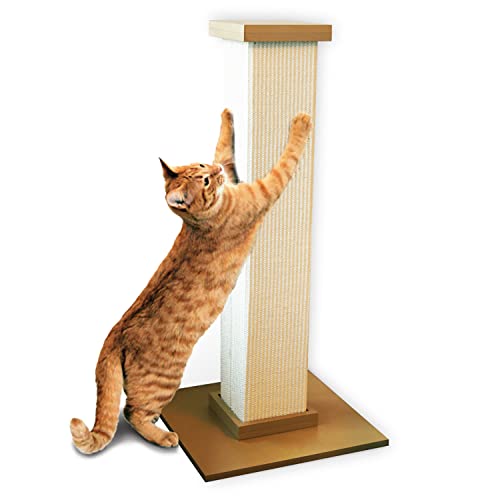
Introducing scratching posts in various locations can draw their attention away from your cherished belongings. Choose options with different textures and heights to cater to their preferences, ensuring they find something appealing nearby.
Utilizing deterrent sprays that emit unpleasant scents for your feline friend can be effective. Natural formulations are available that won’t harm your pet, yet will encourage them to avoid treated areas. Regular application is key to maintaining their effectiveness.
Incorporating interactive playtime with toys can redirect their energy from destructive habits. Engaging them through regular sessions not only promotes better behavior but also strengthens your bond.
Finally, trimming their claws regularly is a proactive approach to reduce potential damage. Establishing a routine can make this process easier, and you’ll find your furniture better protected.


Deterring Claws On Surfaces
Utilize double-sided tape on areas where scratching is undesirable. The sticky texture discourages further attempts, making it less appealing for your pet to return.
Consider citrus scents. Spraying a mixture of water and lemon juice can act as a natural repellent. Many animals dislike these fragrances, helping to keep them away.

Provide engaging alternatives like sisal-wrapped poles or designated scratching spots. This approach ensures your pet has attractive options, reducing the likelihood of targeting undesired areas.
Regularly trim nails to mitigate damage. A simple grooming routine can lower the intensity of scratches, offering a more manageable solution.
Employ motion-activated deterrents that release a harmless burst of air when a pet approaches. These devices crear unexpected sensations, encouraging them to steer clear of specific locations.
Apply furniture-safe sprays designed to discourage unwanted behavior. These products are formulated to elicit a negative experience for your pet while being safe for your belongings.
Create physical barriers. Using furniture covers or protective materials can provide a straightforward method to shield surfaces from wear and tear.
Understanding Your Cat’s Clawing Behavior
Recognizing that scratching serves multiple purposes can shift the way you approach this aspect of your pet’s behavior. It’s a natural instinct for them; they do it to remove the dead outer layer of their claws, mark territory, and stretch their muscles. A crucial step is to provide suitable alternatives that fulfill these needs without damaging personal belongings.
Territorial Marking
When your feline friend scratches, they may be claiming their space. This can occur when they feel secure or want to establish dominance in a new environment. To manage this behavior, consider placing scratching posts in different areas, particularly where your animal likes to spend time. Use catnip to encourage them to use these designated spots.
Physical Health and Enrichment
Failing to offer enough engagement or exercise can lead them to seek entertainment through destructive means. Interactive play sessions, toys that stimulate their mind, and appropriate climbing structures offer alternatives that can keep them occupied. Keeping them physically active and mentally stimulated is essential to reduce unwanted behaviors.
Providing Effective Scratching Alternatives
I recommend investing in a variety of scratching posts to satisfy your pet’s natural instincts. Choose options made from different materials such as sisal, cardboard, and carpet. This variety keeps things interesting for them and allows for personal preference.
Position these posts in areas where your feline spends most of their time. By placing them close to lounging spots, you can encourage use. Additionally, try angling the posts differently; some cats prefer vertical surfaces, while others like horizontal ones.
Consider adding scratching pads or boards around the home. These can be placed under furniture or near favorite nap spots. The affordability of these items allows you to experiment with several types to find what appeals to your pet.
Interactive scratching toys that incorporate play elements can also be enticing. Look for options that have catnip or enticing textures, as these can draw attention better than traditional posts alone.
Training your companion to use these alternatives can be supported by positive reinforcement. When they choose the scratching post or pad over another surface, reward them with treats or affection. Consistency in this approach will reinforce desired behavior.
Regularly maintaining the posts by reconditioning or replacing worn surfaces helps maintain their appeal. Keep an eye on any signs of disinterest, and be ready to switch things up if necessary.
Creating a dedicated space for scratching can help your furry friend clearly understand where they should direct their attention. This could include a specific corner of a room or a cozy nook filled with their toys and scratching surfaces.
Using Deterrent Sprays and Tapes
I’ve found that employing deterrent sprays can be quite useful. These products typically contain scents that felines find unpleasant, making them less likely to approach specific areas. Spritz a small amount on your upholstery or surfaces you want to protect, and reapply regularly, especially after cleaning. It’s important to choose non-toxic options to ensure safety for your pet.
Tape solutions can also be beneficial. I recommend using double-sided adhesive tape, which can be applied to furniture surfaces. The sticky texture can dissuade a feline from trying to scratch, as they generally dislike the feeling on their paws. I place strips on the corners or areas where my pets tend to focus their attention.
<p_Make sure to combine these techniques with positive reinforcement. Whenever my companion uses a scratching post instead, I reward with treats or praise, reinforcing the right behavior alongside the deterrents.
Training Your Cat to Avoid Furniture
Implement a consistent training routine using positive reinforcement. Whenever your feline friend uses the designated scratching post instead of the couch, offer treats or affection. This encourages the behavior you want to see.
- Establish a signal, such as a clicker, to mark desirable actions. This teaches your pet to associate the action with rewards.
- Keep sessions short and engaging. Around 5-10 minutes is ideal to maintain your cat’s attention without overwhelming them.
Redirect your pet’s instinctual tendencies by placing their favorite toys near the scratching alternatives. Cats often scratch after a play session, so providing a seamless transition can minimize unwanted behavior.
Observe your pet’s habits to identify their preferred scratching times. Schedule interactive play to expend their energy before those moments, making them less likely to engage in unwanted activity.
- Unsupervised exploration might lead to seeking out furniture. Supervise until your companion consistently chooses the appropriate surfaces.
- Create a routine around their scratching behavior. For instance, after meals, guide them to the scratching post with treats or toys.
Be patient. Adjustments in behavior take time. Celebrate small victories, and gradually, your pet will learn to favor the appropriate areas in your home.
Protecting Furniture with Covers and Shields
Investing in protective covers or shields is a straightforward solution to prevent damage to upholstery and wooden pieces. Look for materials that are durable yet gentle, ensuring they can withstand scratching without harming your cat’s paws.
Types of Protective Covers
There are various options for covering your belongings:
| Type | Description |
|---|---|
| Fabric Covers | Thick, washable fabrics that can be draped over couches or chairs. They create a barrier while being easy to clean. |
| Plastic Shields | Clear plastic barriers that can be affixed to surfaces. They effectively prevent scratching and preserve the look of furniture. |
| Slipcovers | Tailored fabric slipcovers provide a stylish layer of protection and can be removed for washing. |
| Pet-Specific Fabrics | Materials designed to resist pet wear and tear, often with a texture that discourages scratching. |
Applying Shields Effectively
To maximize effectiveness, ensure the shields cover all vulnerable areas. I recommend securing covers tightly using fasteners or tucking them in to prevent shifts as your pet moves about. Regularly check for wear and replace worn-out protectors to maintain their effectiveness.
Additionally, mixing these methods with other strategies creates a comprehensive approach. When implementing these solutions, you’ll find both your furniture and your home remain in great shape.
Creating a Cat-Friendly Environment
Incorporating designated spaces for play and relaxation is fundamental. I allocate specific areas with soft beds and safe toys where my feline companion can unwind. Introducing a variety of textures in these spaces encourages natural behaviors and keeps them engaged.
Encouraging Exploration
Interactive elements such as climbing structures or shelves promote physical activity and stimulate curiosity. I make sure these installations are sturdy and positioned strategically around the home to encourage exploration without damaging surfaces.
Using Scents and Textures
Applying catnip or using scratching posts with unique surfaces near furniture redirects their focus. I also utilize different materials, like sisal or cardboard, to satisfy their instinctual need to scratch, while keeping my belongings safe.
FAQ:
What are some practical ways to prevent cats from scratching furniture?
There are various methods to discourage cats from clawing furniture. One effective approach is to provide alternative scratching surfaces, such as scratching posts or pads. Place these items near the furniture that your cat tends to scratch. Additionally, you can use furniture covers or sprays designed to deter clawing. Catnip can also be used on scratching posts to attract your cat away from furniture. Consistently redirecting your cat’s behavior when you catch them scratching furniture is key. Positive reinforcement, like treats or praise, can encourage your cat to use the designated scratching areas.
Why do cats scratch furniture in the first place?
Scratching is a natural behavior for cats. It serves several purposes, including marking territory, keeping their claws healthy, and stretching their muscles. When cats scratch, they shed the outer layer of their claws and keep them sharp. Additionally, scratching helps them release pent-up energy and stress. Understanding this instinctive behavior can help you address it more effectively by providing suitable alternatives for scratching.
Are there any specific types of scratching posts that work best?
Yes, certain types of scratching posts tend to appeal more to cats. Posts made of sturdy materials like sisal, cardboard, or untreated wood are often preferred. Taller posts that allow cats to stretch fully can be more enticing than shorter ones. It’s also a good idea to introduce a variety of scratching options, including horizontal and vertical posts, to see which your cat prefers. Ensuring that a scratching post is stable and securely positioned will encourage your cat to use it more often.
How can I train my cat to use a scratching post instead of the furniture?
Training a cat to use a scratching post takes patience and consistency. Start by placing the scratching post near the furniture your cat typically scratches. Use catnip to attract your cat to the post, rubbing some on the surface or using toys to encourage interaction. Whenever you catch your cat using the scratching post, offer praise or a treat immediately to reinforce the behavior. If your cat continues to scratch the furniture, gently redirect them to the post without punishment. Over time, they will associate the scratching post with positive experiences.
What are some deterrents I can use to protect my furniture?
To protect your furniture, you can use several deterrents. Commercial sprays are available that are designed to repel cats. Alternatively, you can create homemade deterrents using scents that cats dislike, such as citrus or vinegar. Placing double-sided tape on furniture can also deter scratching, as cats dislike the sticky feeling on their paws. Another useful tactic is to cover furniture with protective slipcovers or specially designed cat-proof furniture covers. Combining these methods with encouragement of appropriate scratching behavior will help protect your belongings.


