Caleb Turner

Visualize objects in your surroundings with precision. Begin by identifying their shapes, colors, and textures. A sleek wooden chair with a polished surface can evoke warmth, while a metallic frame may suggest modernity. Clear imagery enhances the narrative and allows your audience to picture the piece vividly.
Next, consider functionality. Illustrate how each item serves its purpose. A sofa not only invites you to relax but can become a gathering point for conversations. Highlight practical attributes like storage solutions or versatility, which can transform a piece to fit various settings.



Incorporate emotional connections to enhance engagement. Share personal experiences related to each item. If a rustic table reminds you of family dinners, convey that sentiment. This connection not only enriches the description but makes your writing more relatable and impactful.
Lastly, employ sensory details to wrap your reader in a multi-dimensional experience. Describe the feel of a plush cushion, the scent of wood polish, or the sound of a drawer sliding open. Engaging multiple senses draws readers into a more immersive understanding of the environment being crafted through your words.
Refining Descriptions of Home Items
Utilize sensory details to evoke imagery. Focus on texture–”the smooth, polished surface of oak” or “the soft, plush fabric of a velvet armchair.” This draws readers into the experience.
Incorporate specific measurements and dimensions. Rather than saying “a large table,” provide exact dimensions, such as “a rectangular table measuring 72 by 36 inches.” This paints a clearer picture.
Choose precise color words. Instead of vague terms like “green,” specify “emerald green” or “sage.” This enhances the visual understanding.
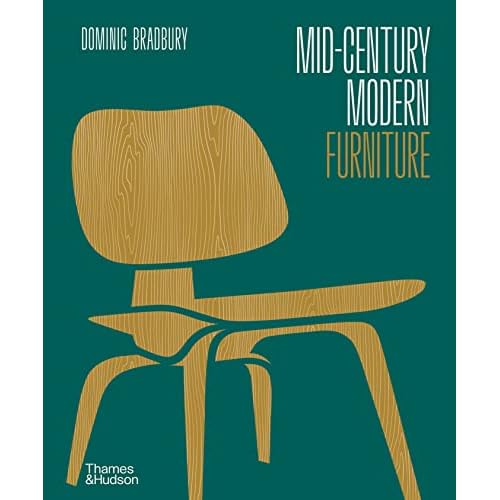
Include historical context or design influence. Mention if an item is “inspired by mid-century modern aesthetics” or “crafted using traditional Japanese techniques.” This adds depth to the description.
Highlight functionality through examples. Describe the seating capacity of a sectional or the storage options in a cabinet, stating, “This console has two spacious drawers for organization.” This informs potential buyers of practical advantages.
Consider the item’s relationship to its surroundings. Instead of isolating an object, embed it in a setting–”the wicker chair, positioned by the sunlit patio doors.” Context enriches the narrative.
Selecting the Right Vocabulary for Furniture Descriptions
Opt for precise adjectives and nouns that evoke imagery and sensation. Instead of saying “wood table,” describe it as “weathered oak dining table” or “sleek walnut console.” Such details cultivate a vivid picture, making the item more appealing.
Adjective Selection
Choose words that articulate texture, style, and condition:
- Texture: polished, grainy, smooth, rough, matte, shiny.
- Style: rustic, contemporary, vintage, modern, classic.
- Condition: brand-new, refurbished, antique, worn.
Noun Variations
Utilize synonyms to provide depth and variety:
- Seating: armchair, loveseat, chaise, stool, bench.
- Storage: cabinet, sideboard, armoire, trunk, bookshelf.
- Surfaces: countertop, tabletop, desk, shelf.
Including colors and materials enhances the description. Terms like “deep burgundy velvet” or “light oak with brushed steel accents” offer a stronger visual impact. Consider the emotional connection as well; instead of merely describing a piece, illustrate how it feels within a space.
Identifying Key Features of Different Furniture Types
Focus on the unique characteristics that distinguish each item. Start with structure and materials.
- Seating: Look for upholstery type, cushion density, and frame sturdiness. Note details like armrest shape and leg style, which impact both comfort and aesthetics.
- Tables: Consider size, surface material, and leg design. Mention features such as extendable mechanisms or built-in storage, which enhance functionality.
- Storage units: Pay attention to drawer construction, shelving options, and door styles. Highlight innovative features like soft-close mechanisms or adjustable shelves.
- Decorative items: Describe the finish, texture, and craftsmanship. Point out unique design elements, such as intricate carvings or bold colors, that contribute to a piece’s overall appeal.
Always include dimensions for context. For instance, “A sleek, modern coffee table measuring 48 inches in length adds elegance to the living area.” Being specific establishes a clearer image.
Consider the intended use of the item. A sturdy dining chair designed for family gatherings should convey durability and comfort, while a delicate accent chair might focus on style over practicality.
Lastly, integrate emotions and scenarios where the piece might excel. For example, “The plush sofa invites relaxation with its inviting texture, perfect for cozy movie nights.” Evoking atmosphere can strengthen the appeal significantly.
Using Sensory Details to Enhance Your Descriptions
Incorporate sensory elements for a vivid depiction. Engage sight, sound, touch, taste, and smell to bring pieces to life. Instead of stating facts, evoke experiences that connect the reader to the object. Here’s how to achieve this:
Visual Elements
- Use colors and textures. For instance, “The rich mahogany finish gleams under the sunlight” paints a clearer image than simply saying “The table is brown.”
- Detail shapes and lines. Describing a chair’s “curved silhouette” provides insight into its style and comfort.
- Incorporate patterns. “The floral upholstery invites a hint of whimsy” showcases uniqueness rather than simply stating its decorated nature.
Tactile Features
- Engage touch by describing sensations–mention smooth surfaces or rugged textures. For example, “The leather sofa feels buttery soft to the touch” enhances understanding.
- Highlight weight and sturdiness. Phrases like “solid oak construction offers a reassuring heaviness” suggest durability.
Consider auditory factors; for instance, the “comforting creak” of an antique rocking chair or the “soft thud” of a padded bench evokes sound that complements the atmosphere.
Invoke olfactory descriptions as well. Mention any scents associated with materials, like “the faint musk of aged wood” to trigger memories or emotions. This layered approach creates an immersive experience, drawing readers into the scene.
Incorporating Style and Design Elements in Your Text
Integrate architectural terminology specific to the genre of items you are highlighting. For instance, refer to the “Mid-Century Modern” style or “Industrial Chic” aesthetic. This specificity not only creates vivid imagery but also increases authenticity, appealing to those familiar with design trends.
Utilize metaphors and similes to connect the audience emotionally with the pieces you discuss. Phrases like “the chair beckons like an old friend,” or “the table stands strong, a sentinel in the room,” create a narrative that draws readers into the experience of the objects.
Creating Visual Imagery
Employ descriptive phrases that convey texture and color. Instead of simply stating “the sofa is blue,” opt for “the deep cerulean upholstery, reminiscent of azure ocean waves.” Such choices enhance the visual context and evoke particular moods associated with colors and textures.
Highlighting Functionality and Aesthetics
When detailing functionality, balance it with aesthetics to underscore the harmony of form and function. Describe how an item fits into a setting not merely by its purpose but by its contribution to the atmosphere, saying something like, “the minimalist coffee table, with its sleek lines, complements the modernist décor while serving as a gathering point for conversation.” This dual focus enriches the reader’s understanding and appreciation.
Highlighting Materials and Textures in Furniture Descriptions
Focus on specific materials to evoke imagery and feel. For instance, refer to rich mahogany or weathered oak, conveying warmth or rustic charm. Utilize words like “smooth,” “grainy,” or “polished” to create a tactile sense.
When describing upholstery, consider mentioning fabric types like “velvet,” “linen,” or “canvas.” Specify textures such as “soft,” “textured,” or “sturdy.” To enhance visual appeal, include colors like “deep navy” or “earthy beige,” which can set the mood or complement a space’s aesthetic.
| Material | Texture | Visual Effect |
|---|---|---|
| Mahogany | Rich, smooth | Warm, elegant |
| Oak | Grainy, sturdy | Rustic, timeless |
| Velvet | Soft, plush | Luxe, inviting |
| Linen | Textured, breathable | Casual, fresh |
| Canvas | Durable, rugged | Relaxed, unrefined |
Incorporate these specifics to enhance the reader’s experience. Mentioning properties such as “weather-resistant” or “eco-friendly” can also add value, especially for conscious consumers. Additionally, don’t overlook the importance of crafting a vivid sensory narrative; pairing tactile descriptions with visuals helps establish a stronger connection.
Ultimately, selecting materials and textures strategically enriches the narrative. The right blend of information can paint an immersive image, leaving a lasting impression on the audience.
Discussing Functionality and Purpose of Furniture Pieces
Focus on the intended use of each item. For example, a coffee table should be described not just by its aesthetic appeal but also by its capacity to hold beverages and snacks during social gatherings. Consider its height and surface area, as these factors influence how well it can serve its purpose.
When discussing a chair, highlight its ergonomic features such as back support and cushioning, addressing comfort for long hours of sitting. Mention specific styles, like dining chairs that enhance the dining experience or accent chairs that elevate a room’s decor while offering a cozy spot to relax.
For storage solutions, mention the organization capabilities they provide, detailing drawer sizes and shelving options. Clarify whether an armoire is intended for clothing or to showcase decor items, ensuring the reader understands its versatility.
Elaborate on outdoor pieces by focusing on durability and weather resistance, drawing attention to materials like rattan or treated wood that allow for extended use in different climates. Detail how these elements enhance the outdoor experience, whether for entertaining guests or enjoying solitude.
Incorporate dimensions to give a clear picture of how the piece fits within various spaces, making it easier for individuals to visualize its integration into their home. Discuss how multi-functional items can save space and adapt to shifting needs–such as a sofa bed that offers seating by day and a sleeping area by night.
Convey the emotional aspect of each piece, tying it back to how it can enhance daily life and contribute to the overall functionality of a space. By focusing on these specific purposes, I create a narrative that resonates with potential buyers, appealing to both practicality and personal connection.
Creating a Visual Image with Metaphors and Similes
Utilizing metaphors and similes breathes life into descriptions. I often liken a cozy sofa to a warm embrace, inviting readers to envision comfort and relaxation. This comparison not only conveys the sofa’s function but also its emotional resonance, creating a strong visual anchor.
When illustrating an ornate chair, I might say its arms curve like gentle waves, suggesting grace and flow. Such imagery encapsulates the piece’s elegance, allowing the audience to visualize its design and feel its essence.
For a rustic wooden table, I would describe its surface as rugged as ancient tree bark, evoking the natural charm and rewarding allure of the material. This analogy strikes a chord, conjuring images of nature and grounding the reader in a specific texture and origin.
In painting a picture of a sleek, modern lamp, I compare it to a lighthouse guiding ships home. This metaphor not only highlights its form but also suggests its purpose, illuminating spaces and enhancing ambience.
By interweaving such vivid comparisons, I transform mere objects into vivid narratives that captivate the imagination and foster a connection with the reader’s sensory experience.
Tailoring Descriptions for Different Audiences and Contexts
Identify your target demographic to tailor the narrative accordingly. For instance, if communicating with interior designers, focus on technical specifications such as dimensions and material durability. Conversely, when addressing consumers, highlight aesthetic qualities and user experience.
Contextual Approach
In marketing literature, employ persuasive language that evokes desire, such as “transform your living space with this elegant armchair.” On the other hand, in academic writings, prioritize objectivity by incorporating historical context and design philosophy.
Audience Engagement
Utilize relatable terms and analogies for everyday customers. When engaging with industry experts, incorporate jargon and detailed analysis. Adjusting tone and language to fit the audience deepens their connection and enhances their understanding.
Editing and Refining Your Furniture Descriptions for Clarity
Begin revisions by focusing on conciseness. Every word should serve a purpose. Eliminate modifiers that do not enhance meaning. Replace vague descriptions with precise terms that convey specifics.
Seek feedback from peers. Fresh perspectives can highlight areas needing clarity. Conducting a read-aloud can also be beneficial; it helps identify awkward phrasing and unnecessary complexity.
Strategies for Effective Refinement
Utilize active voice to create a dynamic tone. This draws readers in and conveys immediacy. Instead of saying “The chair is made of oak,” try “This oak chair embodies strength and elegance.” This shift energizes your prose.
Break down complex sentences. A single thought per sentence enhances readability. Aim for variety–mix short, impactful statements with longer, descriptive passages to maintain interest.
Table of Common Editing Tips
| Tip | Description |
|---|---|
| Be Specific | Use exact terms to define features, avoiding generalities. |
| Limit Adjectives | Restrict adjectives to those that add unique value to a description. |
| Seek Feedback | Share with peers for constructive criticism on clarity. |
| Read Aloud | Identify awkward constructions and improve readability. |
Finalize by ensuring consistency in terminology. Terms for various elements should be uniform throughout your text. This creates a cohesive narrative and enhances understanding.
FAQ:
What are some adjectives I can use to describe furniture in writing?
When describing furniture, you can use a variety of adjectives to convey its style, material, and condition. For instance, “rustic,” “modern,” or “vintage” can indicate style. Additionally, terms like “polished,” “weathered,” or “chipped” describe the condition of the furniture. Material-based adjectives such as “wooden,” “metallic,” or “fabric-covered” provide further clarity about the characteristics of the piece being described. Combining these adjectives can help create a vivid picture for your readers.
How can I make my descriptions of furniture more engaging?
To enhance the engagement level of your furniture descriptions, incorporate sensory details that go beyond basic physical attributes. Mention textures, colors, and even smells if relevant. Instead of saying a chair is “comfortable,” you might describe its “plush velvet upholstery that invites you to sink in.” Additionally, include anecdotes or historical context to connect the piece to the reader, making it feel relatable and alive. Imagining how a family would gather around a dining table or the way a lamp sets a mood can also draw readers in.
What tips do you have for describing furniture in a home setting?
When describing furniture within a home setting, context is key. Instead of isolating a piece, present it within the overall atmosphere of the room. Describe how the furniture complements or contrasts with the walls and other decor, and how it fits into the flow of the space. Words that convey warmth, functionality, or style can enhance the imagery. For example, you could say, “The sleek, glass coffee table reflected the morning sunlight, illuminating the cozy living room.” This approach allows readers to visualize the home as a whole.
Can you suggest how to write about antique furniture?
When writing about antique furniture, focus on its history and craftsmanship. Describe the era in which it was made, any unique techniques used in its construction, and the story behind its design. Mention any notable marks or signatures that can add authenticity. Additionally, reference its current condition and any restoration done, which can bring richness to the narrative. For example, “This exquisite oak wardrobe, dating back to the 18th century, showcases intricate carvings that tell tales of skilled artisans long forgotten.” Engage the reader’s imagination by painting a picture of its journey through time.
What role does color play in furniture descriptions?
Color plays a significant role in descriptions of furniture, affecting both aesthetics and mood. When describing a piece, it’s helpful to specify colors that evoke certain feelings or themes. For example, “The deep navy sofa exudes sophistication,” versus “The bright yellow chair adds a cheerful pop to the room.” Mention how color interacts with natural lighting and other elements in the space, creating harmony or contrast. This technique allows readers to visualize the furniture and understand its influence on the surrounding environment effectively.
What are some tips for effectively describing different types of furniture in writing?
To effectively describe different types of furniture, start by focusing on the key elements: material, shape, color, and functionality. For instance, if you’re discussing a wooden dining table, mention the type of wood—such as oak or walnut—its finish, and its design style (modern, rustic, etc.). Consider the size of the piece and how it suits a space. Incorporate sensory details; describe how the texture feels or how the color impacts the atmosphere of a room. Adding personal touches, like how a piece makes you feel or a memory associated with it, can provide depth to your writing. Also, consider the furniture’s role within the space—does it invite gatherings or offer a cozy place for reading? By covering these aspects, you’ll create a vivid and engaging description that immerses the reader in the experience.
How can I make my descriptions of furniture more engaging for the reader?
To make your furniture descriptions more engaging, start by using vivid and specific language. Instead of stating that a chair is “comfortable,” describe the plush cushions and how they mold to the body. Use comparisons, such as likening the warmth of a wooden table to the feeling of a sunny afternoon. Incorporate the context in which the piece is used—if it’s a coffee table, discuss how it serves as a gathering spot for friends, filled with books and drinks. Include sensory details: mention the scent of polished wood or the coolness of metal under touch. Additionally, consider the character of the furniture; does it tell a story? For example, an antique dresser might have scratches from years of use, hinting at its history. By weaving in these elements, you can create a narrative that draws readers in and makes them visualize the furniture in their own spaces.