
 Caleb Turner

Begin by selecting a piece that needs a refresh; ensure the surface is clean and free of any dust or grease for the best outcome. Preparing your base is crucial as it sets the stage for the entire project.
Next, gather your decorative elements. Choose paper, fabric, or other materials that resonate with your vision. Cut them into desired shapes, keeping in mind that smaller pieces are often easier to manage and create a more intricate design.
Apply the adhesive directly on the surface using a brush or sponge. Then, position your cutouts carefully. Smooth out any bubbles or wrinkles with a soft cloth to guarantee even adhesion. Seal your creation with additional coats of adhesive to ensure durability. Allow ample drying time between layers. This ensures a long-lasting finish that withstands everyday use.
For an added touch of protection, consider finishing with a clear sealer after the final coat dries. This not only enhances the look but also provides resistance to wear and tear, keeping your artistic effort vibrant for longer.
Technique for Transforming Surfaces
First, gather all necessary materials: a brush, decorative paper, scissors, adhesive finish, and a clean cloth. Prepare the area by ensuring the target surface is free from dust and grease.


Cut the chosen paper into desired shapes or sizes. Apply a thin layer of the adhesive finish directly onto the surface using a brush. Lay the cut pieces of paper onto the wet layer, smoothing out any air bubbles to ensure full adhesion.
Once all pieces are in place, let it dry thoroughly for at least 15-20 minutes. After drying, apply a second coat of the adhesive finish over the entire surface, ensuring complete coverage for durability.
To achieve a polished look, I sand down any rough edges after the second layer has dried. This ensures a seamless blend between the paper and the surface. For added protection, I recommend applying a final clear coat to seal everything in.
Use the following table as a guide for drying and curing times:
| Stage | Time |
|---|---|
| Initial Drying | 15-20 minutes |
| Second Coat Drying | 30 minutes |
| Final Curing | 24 hours |
After the final curing, your piece is ready for use. Ensure to handle it gently initially as it continues to harden completely. Enjoy the personal touch you’ve added to your space!
Selecting the Right Furniture for Decoupage
I recommend opting for pieces made of wood, MDF, or particleboard, as these surfaces bond well with adhesives. Look for items that have a flat or smooth area to apply designs easily. Avoid intricate carvings or heavily textured pieces since they complicate application.
Condition Matters
Choose items in good shape. Inspect for dents, scratches, or peeling paint, as they can interfere with the final look. Resurface any rough areas beforehand to ensure a clean base for your project. Sturdy construction also helps maintain integrity after the application is complete.
Style Compatibility
Select a style that aligns with your vision. Vintage or minimalistic shapes provide excellent backdrops for various designs. I find that neutral or light-colored finishes work best, allowing for seamless integration of colors and patterns from chosen materials. Ensure that the item complements your existing décor for a cohesive aesthetic.
Preparing the Surface for Art Application
Clean the surface thoroughly. Remove dust, dirt, and grease using a mild detergent mixed with warm water. A damp cloth can help lift stubborn residue. Make sure to rinse any soap off and allow it to dry completely before proceeding.
Sand the area where you plan to apply the decorative layers. Use medium-grit sandpaper to create a rough texture, enhancing adhesion. After sanding, wipe down the surface again to eliminate any dust particles.
If the surface has an existing finish, consider applying a primer. A white or clear primer can create a uniform base, improving the final appearance of your artwork. Allow the primer to dry completely before moving on.
Checking for Imperfections
Inspect the surface for flaws such as cracks, dents, or warps. Fill in any holes or scratches with wood filler and sand smooth once dry. A smooth surface ensures a polished look in the final result.
Final Prep
- Ensure the environment is well-ventilated. Good airflow will help any fumes dissipate quickly.
- Gather all materials, including brushes, scissors, and chosen decorative elements, for an organized workspace.
- Consider the orientation of the piece. Work on a flat or stable surface to avoid mishaps during the application process.
By taking these steps, I ensure a solid foundation for my artistic project, leading to a stunning finish.
Choosing and Preparing Decoupage Materials
I recommend selecting images or patterns that resonate with your style and the atmosphere you want to create. Common choices include scrapbook paper, magazine cutouts, fabric pieces, or even printed images. Each material offers a unique texture and aesthetic.
Assessing Quality
Always prioritize high-quality prints or materials. Ensure that the images are crisp and vibrant; faded or pixelated prints won’t convey the desired effect. For papers, weigh the thickness; thicker papers can prevent tearing during the application process.
Cutting and Sizing
Carefully trim your chosen pieces to fit the surfaces you’ll be decorating. Use sharp scissors or a craft knife for clean lines. I prefer to create a template by marking the surface dimensions on a piece of paper and laying the designs over it to visualize the layout before finalizing cuts.
Experiment by layering different materials to add depth. Combining textures like lace, burlap, or thin metal sheets can enhance the overall appearance. Ensure all materials are clean and free of dust before application to ensure proper adhesion.
Applying Adhesive and Trimming Paper
For a seamless finish, I apply adhesive in thin, even layers to both the surface and the back of the paper. Using a foam brush, I carefully spread the product, making sure to cover every edge to avoid lifting later. Once the paper is positioned, I use a brayer or my fingers to smooth out any air bubbles, ensuring good contact with the surface.
Trimming Excess Paper
After the paper is firmly in place, I let it dry for about 15 to 20 minutes. Once set, I trim the excess using a craft knife and a straight edge for clean lines. I hold the straight edge firmly against the furniture’s edge, guiding the knife along it for precision. Taking my time during this step guarantees neat edges and a polished look.
Final Touches
Once the trimming is complete, I apply a top coat of the adhesive over the entire surface, including the newly cut edges. This layer adds protection and enhances durability. After this, I allow it to dry completely, which typically takes a few hours. This method ensures a robust and aesthetically pleasing finish that stands up to use.
Sealing and Finishing the Decoupaged Surface
Once I’ve completed the application of decorative paper and allowed it to dry, sealing the surface becomes a priority. I opt for a clear acrylic sealer that offers durability and protection. A spray sealer can provide an even coat without disturbing the paper beneath.
In preparing to seal the design, I ensure that the surface is clean and dry. Typically, I choose a water-based acrylic sealer for its ease of use and quick drying time. I begin by shaking the canister thoroughly and applying a light coat from about 12 inches away, using smooth, sweeping motions. This prevents any buildup or drips.
After the initial coat dries, I inspect for areas that may need extra protection, especially edges and seams. I usually apply a second coat, allowing sufficient drying time in between. Following this, I allow the entire piece to cure for several days, which helps in enhancing the bonding of the layers.
For added durability, I often consider using a wax finish or polyurethane topcoat. Applying wax not only adds a soft sheen but also provides a layer of additional protection. When applying wax, I use a soft cloth, rubbing it gently over the surface in circular motions. This step ensures an even application.
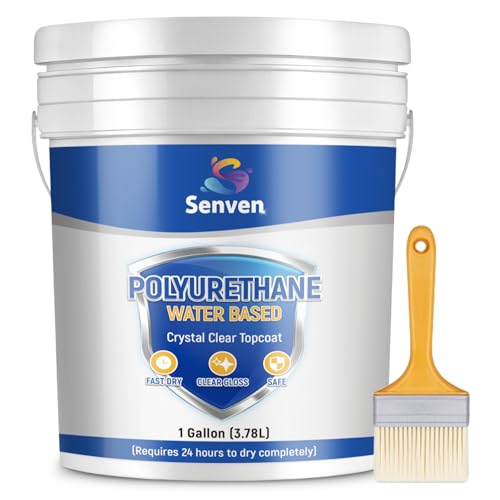
For a polyurethane option, I prefer a satin finish for a subtle look. I utilize a foam brush for application, ensuring to follow the manufacturer’s instructions regarding drying and re-coating times. Proper ventilation is key during this process to prevent any buildup of fumes.
The final touch involves buffing the surface lightly after the topcoat has cured. This enhances the shine and provides a smooth feel. I usually check for any imperfections at this stage, correcting them with a fine sanding sponge before giving it a final wipe down.
Maintaining the quality of the surface over time is also crucial. I recommend avoiding harsh cleaners; instead, a damp cloth is preferred for everyday cleaning. This approach ensures that my artistic endeavor remains intact for years to come.
Maintaining Your Decoupage Furniture
To keep your upcycled pieces looking fresh, clean them regularly using a soft, damp cloth. Avoid harsh chemicals; instead, opt for a mild soap solution if necessary.
Cleaning Tips
- Dust surfaces weekly to prevent buildup.
- For stains, gently wipe with a damp cloth as soon as possible.
- Never scrub with abrasive materials that can damage the surface.
Preventative Measures
- Avoid placing items directly on the surface; use coasters or placemats.
- Keep away from direct sunlight to prevent fading of colors.
- Maintain humidity levels to minimize warping or peeling.
Touch up any areas where the finish wears down. Use a small brush for precise repairs. For best results, reapply a clear sealing layer every few years to enhance durability.
FAQ:
What materials do I need for decoupaging furniture with Mod Podge?
To decoupage furniture with Mod Podge, you’ll need several materials. First, gather your Mod Podge, which is a type of glue that also acts as a sealer. Next, you’ll need the surface to be decorated, which can be wood, metal, or any other suitable material. Collect decorative paper or fabric that you want to use, along with scissors for cutting. A paintbrush or sponge brush will help you apply the Mod Podge. Additionally, have a clean cloth for any cleanup, and some sandpaper for surface preparation if necessary. Finally, it’s helpful to have a clear varnish or topcoat for added durability after the project is completed.
How do I prepare the furniture surface before decoupaging?
Preparing the furniture surface is an important step in the decoupage process. Start by cleaning the surface thoroughly to remove dust, dirt, or oils. If the surface has a glossy finish, lightly sand it using fine-grit sandpaper to create some texture for better adhesion. After sanding, wipe down the surface with a clean, damp cloth to remove any debris. Ensure the surface is completely dry before beginning your decoupage project. This preparation will help the Mod Podge adhere better and result in a smoother finish.
Can I use photographs for decoupage, and how do I protect them?
Yes, you can use photographs for decoupage. However, you must be cautious with them as they can be sensitive to moisture. To protect your photographs while decoupaging, consider using a photocopy of the image instead of the original. This way, you can avoid damage from moisture. If you use the original photo, apply a clear sealant over it before using Mod Podge, to create a protective barrier. After completing your decoupage, add an extra layer of Mod Podge or a clear varnish to seal the entire surface, providing additional protection.
How long does it take for Mod Podge to dry when decoupaging furniture?
The drying time for Mod Podge can vary based on several factors. Typically, it takes about 15 to 20 minutes to become touch-dry, but full curing can take up to 24 hours. For best results, apply multiple thin layers of Mod Podge and allow each layer to dry completely before applying the next one. If you’re working in a humid environment or using thick layers, it may take longer for the Mod Podge to dry fully. Always check the manufacturer’s instructions on the container for specific drying times.
What finishing touches should I apply after decoupaging furniture?
After decoupaging your furniture, several finishing touches can enhance the appearance and durability of your project. Once your last layer of Mod Podge is completely dry, consider applying a clear acrylic sealer or varnish to provide additional protection against scratches and water damage. This finish can be either matte or glossy depending on your preference. If you want a more textured look, you might add decorative elements like hardware or stenciling. Lastly, ensure that the piece is cleaned regularly to maintain its appearance over time.
What materials do I need to decoupage furniture with mod podge?
To decoupage furniture with Mod Podge, you will need several materials. First, you’ll need the furniture piece you want to decorate. Select the decorative paper or fabric that you’ll use; this could be scrapbook paper, napkins, or even printed images. Mod Podge is essential for the process, so make sure to have a bottle handy. You’ll also need a paintbrush or a sponge brush to apply the Mod Podge. Additionally, scissors will come in handy for cutting your decorative elements to the desired size. Lastly, you might consider using a sealer to protect your finished work, especially if the furniture will be used frequently.
Can I use any type of paper for decoupage, or are there specific types that work best?
While you can use various types of paper for decoupage, some work better than others. Lightweight papers, such as scrapbook paper or tissue paper, are popular choices because they adhere easily and provide a smooth finish. Napkins are also excellent as they often come with beautiful prints and can be applied in layers for texture. If you choose heavier paper, like cardstock, you may need to be careful during application to avoid wrinkles. The key is to consider the weight of the paper and how it will conform to the surface. Experimenting with different types can lead to unique and interesting results!


