Caleb Turner

Choosing oversized items can transform your compact sanctuary into a sophisticated retreat. First, I recommend starting with a statement piece, such as a grand bed or a spacious wardrobe, which can serve as a focal point. Positioning this dominant feature along a wall allows for movement throughout the area while drawing the eye upward, creating an illusion of height.
Incorporating multi-functional selections is vital. For example, selecting a large, integrated storage unit can consolidate various belongings while enhancing overall aesthetics. I found that keeping colors light and furniture legs exposed heightens the sense of openness, making the space feel larger than it truly is.
Layering textures adds depth, even in limited areas. A plush area rug beneath substantial furnishings can anchor the layout while providing comfort. Complementing these choices with thoughtful lighting can elevate the ambiance, highlighting the unique charm of each key feature.


Maximize Space and Comfort
Choosing multifunctional pieces is key. Think about a bed with built-in storage or an ottoman that doubles as a seat and a storage unit. These options help keep the area organized while providing necessary functionalities.
Color and Light Manipulation
Opt for lighter shades to create the illusion of more space. Light colors reflect natural light, making the environment feel more open. Use mirrors strategically to enhance brightness and depth, positioning them opposite windows to catch as much light as possible.
Vertical Emphasis
Leverage vertical space by installing shelves higher up, allowing for functional decoration without encroaching on floor area. Tall dressers or cabinets draw the eye upward, providing ample storage without overwhelming the space. Keep decorations minimal and focused to avoid clutter.
Choosing the Right Large Furniture Pieces
Select multi-functional items, such as a bed with built-in storage or an ottoman that serves as a seat and a storage unit. This approach maximizes usability without overcrowding the space.
Opt for lighter materials and colors. Light wood or painted pieces can create an illusion of openness and airiness, rather than heavy, dark finishes that dominate the room.
Consider scale carefully. Choose larger pieces that fit proportionately in terms of height and width, while avoiding anything that feels bulky or overwhelming when placed in confined spaces.
Select elevated designs. Furniture on legs can provide a sense of space by allowing light and visibility beneath, effectively enhancing the room’s dimensions.
Use strategic placement. Position larger elements against walls or in corners to free up central areas, allowing for better movement and flow throughout the environment.
Incorporate mirrors and reflective surfaces around larger items to create depth and give the impression of more space. This reflection can make the area feel expansive rather than cramped.
Prioritize comfort while selecting pieces. Choosing a balance of style and functionality ensures that each element contributes positively to the atmosphere.
Arranging Furniture for Optimal Flow
Position larger pieces against the walls to maximize floor space. This tactic creates open pathways in the room, allowing for easier movement and a more airy ambiance.
Strategic Placement of Key Items
The bed should typically take center stage, but its location matters. Aim to place it in a way that allows for space on both sides, enhancing accessibility. A nightstand on each side can provide symmetry while supporting functionality.
Consider selecting a bed frame with storage options underneath to minimize clutter. This additional storage can maintain a streamlined appearance while ensuring essential items remain within reach.
Avoiding Blockages
Ensure that dressers and other bulky units are positioned away from doorways and walkways. This arrangement prevents obstruction and provides a clear route throughout the room. Whenever possible, incorporate multi-functional items, such as ottomans that offer seating and storage.
| Furniture Item | Suggested Placement |
|---|---|
| Bed | Against a central wall with space on both sides |
| Dresser | In a corner or against the opposite wall from the bed |
| Nightstands | On either side of the bed |
| Ottoman/Bench | At the foot of the bed or near a window |
Finally, visually lighten the space by using mirrors. Position a mirror across from a window to reflect light and create an illusion of depth. This clever trick can transform the sense of openness in a compact area.
Utilizing Vertical Space with Tall Furniture
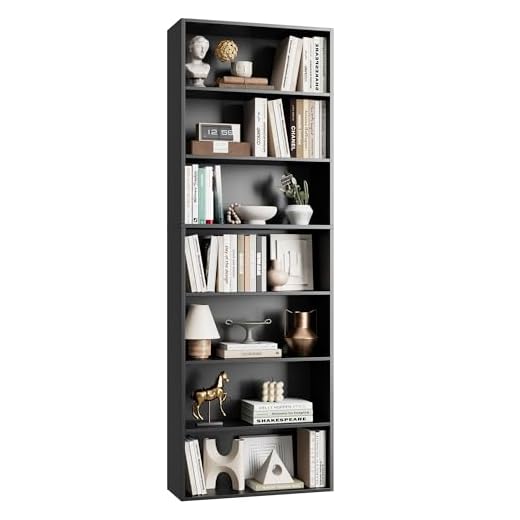
Incorporating tall pieces can dramatically enhance room perception by drawing the eye upward. I recommend selecting bookcases or wardrobes that extend towards the ceiling. This not only maximizes storage but also creates an illusion of increased height.
Choosing the Right Tall Pieces
Opt for slim, vertical options that do not crowd the floor area. Look for multi-functional furniture such as tall dressers with added shelving above. These can provide both organization and aesthetic appeal. Prioritize lightweight materials for easier arrangement.
| Furniture Type | Benefits |
|---|---|
| Tall Dressers | Maximize storage while saving floor space |
| Vertical Bookcases | Create a focal point and display items attractively |
| Over-the-bed Shelving | Utilizes wall space effectively without obstructing pathways |
| High Stools | Add seating without taking too much room |
Creative Uses of Vertical Space
In addition to traditional uses, consider hanging planters or artwork high on walls to enhance visual interest. Strive for a balance by integrating tall elements that maintain a cohesive flow within the area, avoiding overwhelming effects on the room’s atmosphere.
Selecting Multi-Functional Furniture Options
Opt for items that serve multiple purposes to maximize your space. For example, choose a bed with built-in storage drawers or a lift-up mattress for hidden compartments. This enables efficient use of under-bed space, allowing you to store out-of-season clothing or linens conveniently.
- Sofa Beds: Invest in a sofa that can transform into a bed when needed. This is perfect for guests and saves space when not in use.
- Nesting Tables: Consider nesting tables that can be stacked together but pulled apart for additional surface area during gatherings.
- <strong Ottomans: Use ottomans that provide storage. These can serve as seating, footrests, or additional surfaces for drinks and snacks.
Modular Units
Utilize modular shelving or units that can be rearranged based on current needs. This flexibility allows for optimal space usage, adapting as requirements change.
Desk Alternatives
Incorporate a wall-mounted desk or a foldable tabletop that can be stowed away when not in use. These options free up floor space and maintain a clean look.
Using Color Schemes to Create Illusions of Space
Opt for a light color palette to enhance perception of openness. Shades like soft whites, light grays, and pastels reflect light more effectively, generating an airy feel. Incorporating these hues on walls, ceilings, and larger textiles aids in creating a seamless background that discourages visual fragmentation.
Create Depth with Contrasting Accents
Adding strategically placed accent colors can introduce depth without overwhelming a limited area. Choose a darker hue for a single feature wall to draw the eye inward. Accessories such as cushions or artwork in contrasting colors can also contribute to this dynamic without cluttering the scene.
Layering Tones for Dimension
Incorporating varied shades of the same color can create a sophisticated layered effect. Utilize different tones in textiles and decor, such as bedding and curtains, to develop subtle depth. This approach maintains a cohesive look while visually expanding the space.
Reflective surfaces will amplify the color scheme’s impact. Utilize mirrors, metallics, or glossy finishes to bounce light around the room. This not only enhances brightness but also offers the illusion of greater dimensions, transforming how larger pieces integrate within the overall design.
Incorporating Mirrors to Enhance Light and Depth
Utilizing mirrors strategically adds brightness and a sense of spaciousness to the area. Consider placing a large mirror directly across from a window to reflect natural light throughout. This simple method can significantly elevate the ambiance.
Selecting Mirror Styles
- Opt for frameless designs to create a seamless look.
- Choose decorative frames that complement existing decor to add character.
- Use circular or unique shapes to soften angular lines created by oversized pieces.
Placement Tips
- Hang mirrors at eye level for maximum impact.
- Consider placing a mirror behind a nightstand to create a layered effect.
- Position mirrored furniture, like a bedside table, to reflect both light and style.
Incorporating mirrors effectively can turn a compact space into a more inviting and expansive environment, making the most of the elements present. By carefully choosing and placing mirrors, one can enhance aesthetics while maintaining functionality.
Strategically Placing Rugs to Define Areas
Positioning area rugs effectively can create distinct zones in a compact space, allowing for optimal function and comfort. Here are some strategies I’ve found useful:
Zone Creation
- Place a large rug under the bed, extending beyond the sides, to anchor the sleeping area and add warmth.
- Use a smaller rug in front of a reading nook or seating arrangement to delineate that specific area.
- Incorporate runners in hallways or alongside bedsides, guiding movement and differentiating spaces.
Layering Techniques
- Layer rugs of different textures and colors to add depth while defining areas subtly.
- Opt for transparent or semi-transparent rugs over more substantial pieces to maintain visibility of floor space.
By thoughtfully selecting and placing rugs, I can maximize the functionality of the room while maintaining an appealing aesthetic.
Accessorizing Large Furniture with Minimalist Decor
Focus on a limited color palette for accessories to maintain a sense of openness. Choose a few neutral tones that complement the larger pieces, ensuring they don’t overpower the space.
Incorporate sleek lines in decorative elements. Opt for frames and decor that are slim and unobtrusive. A simple geometric lamp or a thin vase adds interest without crowding the area.
Utilize negative space. Place decorative items at intervals, allowing for breathing room around larger items. This technique creates a balanced composition that draws the eye without overwhelming the senses.
Choose textiles that are light and airy. For instance, sheer curtains or lightweight throws can soften the look of substantial pieces while maintaining an open feel.
Consider multifunctional elements that blend style and practicality. A coffee table with storage can support display while keeping the area tidy. Art books or a few decorative objects can sit on top without taking up too much space.
Add wall-mounted shelves to elevate decor. This approach keeps the floor area clear and draws the gaze upward, enhancing the perception of vertical space when larger items dominate the ground.
Incorporating artwork that is simple and monochromatic can complement the design. Avoid heavy frames; instead, select lighter options to hang above large furniture, ensuring it doesn’t compete for attention.
Using plants can impart freshness and vitality. Select one or two tall plants placed beside significant items to add height and life, but refrain from cluttering the space with many smaller pots.
Finally, ensure lighting complements the atmosphere. A stylish floor lamp beside a large chair or a pendant light over a substantial dining table can create focal points while enhancing the overall aesthetic without adding bulk.
Creating a Cohesive Look with Textiles and Patterns
Integrating textiles and patterns effectively brings character to your space, complementing oversized pieces without overwhelming the area. Start by selecting a unified color palette that echoes throughout your textiles. Try shades that harmonize with your larger items, creating visual balance.
Opt for layered bedding, using various textures such as linen, cotton, and knits to create depth. A well-chosen duvet cover can serve as a focal point while still allowing the rest of the room’s elements to shine.
Incorporating patterned throw pillows adds interest. Choose designs that incorporate the room’s color scheme, ensuring they are not too bold, which could compete with large furnishings. Stripes or subtle florals can enhance the aesthetic without clashing.
Consider window treatments that echo the colors of your larger items. Lightweight drapes can soften hard edges often found in larger pieces, while sheer fabrics maintain an open feel. If you prefer more privacy, heavier fabrics in complementary colors can add richness.
Area rugs can delineate different spaces, especially in a compact area. Choose larger rugs to anchor big items, and select patterns that don’t overwhelm but rather connect your textiles. Geometric designs or muted prints can unify elements while giving definition to each zone.
Utilize decorative throw blankets over larger chairs or on the bed. This not only adds warmth but also introduces additional color and texture. Choose patterns that harmonize with your other textiles for a cohesive look.
Last, avoid over-cluttering surfaces. Maintain a minimal approach to decorative items on your oversized pieces, allowing key textiles and patterns to stand out. A few strategically placed decorative items draw the eye toward well-designed focal points, enhancing the overall appearance.