Caleb Turner

Begin by examining the smooth, sinuous lines and rich finishes that exemplify this distinctive style. Pay close attention to the materials used; solid wood options are often preferred, as they age beautifully and offer a sturdy base. Inspect the craftsmanship for any signs of wear or poor repairs, which can diminish the value and aesthetic appeal.
Ensure to research the era of your piece, as this can greatly influence its significance and market value. Specific details such as hardware and joint techniques reveal much about its origin and the skill level of the maker. Familiarize yourself with the variations of design from different time periods to enhance your appreciation for the nuances present in each item.
Engagement with this genre should also involve practical care. Employ proper cleaning methods that respect the finish–avoid harsh chemicals that can strip away the surface luster. Use microfiber cloths for dusting and apply wax periodically to maintain and protect the finish. This care not only preserves the beauty but can significantly extend the lifespan of your items.
Dating the Flow of Curvaceous Styles
To assess the era of these sleek pieces, I examine specific characteristics. The unique contours and the integration of vertical lines often reveal their origins. Pieces from the 1920s to the 1940s boast elegant arcs and rounded edges. If you notice a seamless transition from the front legs to the top, it likely hails from an earlier period.
Key Identification Features
Focus on materials and craftsmanship. Early examples often utilize layered woods such as birch or walnut, with a veneer finish highlighting the shimmering lines. In the mid-century, you may find less expensive materials such as particle board or plywood, which implies a later production date.


| Feature | Period |
|---|---|
| Curved Front Edges | 1920s-1940s |
| Use of Glues and Synthetic Materials | 1950s and beyond |
| Veneer Application | 1930s-1960s |
| Brass Hardware | 1920s-1940s |
Additionally, observe any markings or labels on the underside. Established manufacturers often left identifiable marks that can assist in pinpointing the time frame. Knowing these nuances enhances appreciation of the craftsmanship from that specific period.
Identify Key Design Features of Waterfall Furniture
Focus on the curved, cascading edges that define the silhouette of these pieces. These flowing lines are often smoother and more refined compared to earlier styles, featuring a softer aesthetic that appeals to mid-century sensibilities.
Observe the use of veneering techniques, particularly the bookmatching method that showcases the natural beauty of the wood grain. The quality of the veneer can indicate the craftsmanship and value of the item, revealing layers of history in its construction.
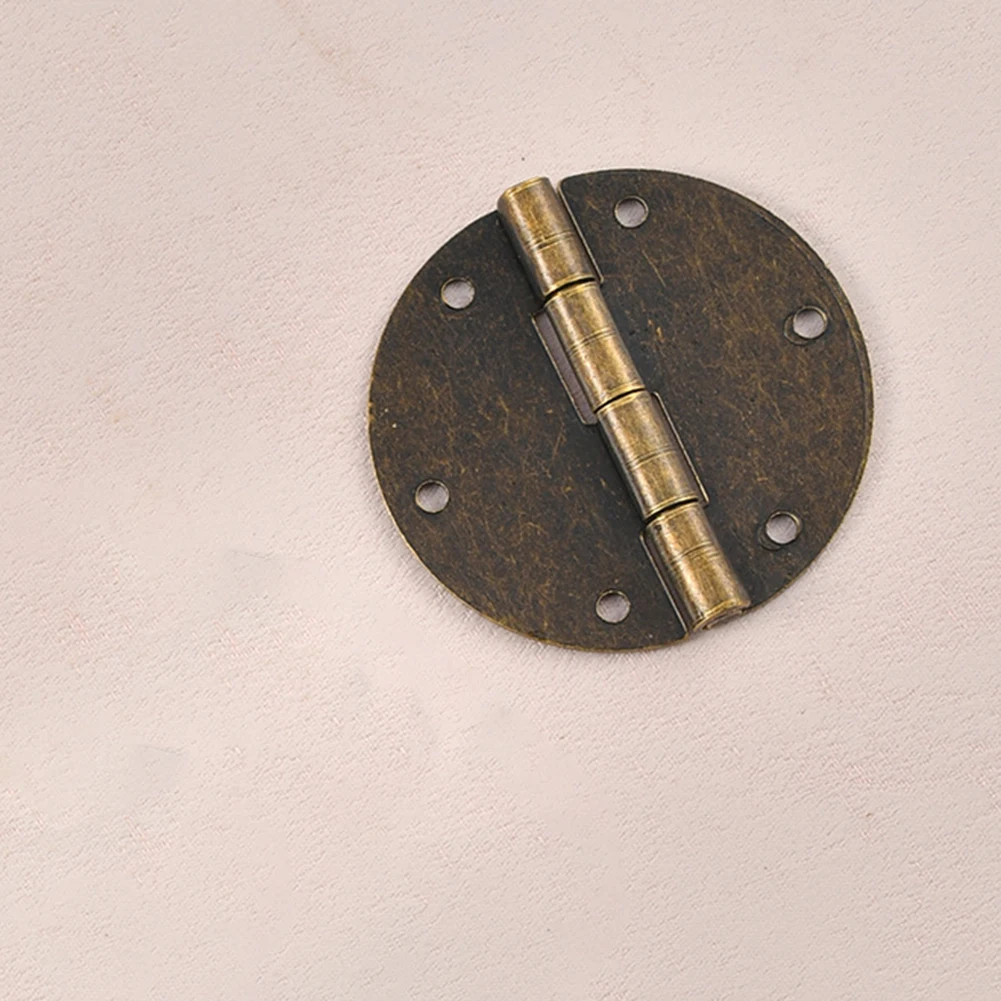
Check for hardware details. Streamlined metal handles or uniquely designed pulls are characteristics to watch for. These elements not only serve a functional purpose but also enhance the visual appeal, reflecting the design ethos of their time.
Investigate the feet of each piece. Tapered legs are a hallmark of this design, often leading to a more elegant profile. The angle and size of the legs can provide essential insights into the era and style of the item.
Explore the finishes applied to the surface. Glossy lacquer or rich stains are typical, aimed at accentuating the wood’s natural beauty while providing protective qualities. The type and quality of the finish can indicate the item’s age and overall care it has received over time.
Look for unusual shapes or integrated designs that prioritize aesthetic appeal without sacrificing functionality. This balance is a signature trait of this genre’s approach to style and usability.
Examine Materials Used in Waterfall Furniture Construction
Identify the materials employed in the construction of these distinctive pieces. Typically, hardwoods such as walnut, maple, or mahogany were utilized, offering durability and an appealing natural grain. Check for veneers; these thin layers of wood covered the surface, enhancing the visual dynamics without the weight of solid wood.
Consider the following aspects while assessing the materials:
- Veneer Quality: Higher quality furniture often features a thicker veneer, revealing more intricate patterns and greater resilience.
- Construction Methods: Look for solid wood joinery instead of particle board. Dovetail joints and mortise-and-tenon joints signal a higher craftsmanship level.
- Finish Types: Observe the finish – oil, lacquer, or polyurethane indicates varying levels of preservation and aesthetic appeal. A rich lacquer finish often implies a premium product.
- Material Age: Older pieces may show wear, patina, or even slight fading, rendering them more authentic and desirable as collectibles.
Finally, be mindful of any alterations that may have occurred. Original parts are significant for value; substitutions, such as modern laminate sheets, diminish authenticity.
Research Historical Context and Time Periods
I recommend focusing on the era between the 1920s and 1950s when exploring the context surrounding the development of this distinctive style. This period was marked by a departure from traditional design elements, embracing modernity and innovation. Key events, such as the Great Depression and World War II, influenced design trends, making furniture more affordable and functional while retaining aesthetic appeal.
1920s-1930s: Art Deco Influence
The flapper culture of the 1920s introduced bold geometric patterns and luxurious materials. During this time, many designers began to incorporate streamlined forms, soft curves, and exotic woods into their creations. Understanding the Art Deco movement’s characteristics can provide insight into distinguishing features that set pieces from this era apart.
1940s-1950s: Post-War Modernism
The post-war era saw an increase in production techniques and material advancements, leading to a rise in minimalist designs. Mid-century modern styles implemented clean lines and organic forms, focusing on functionality without sacrificing style. Familiarity with these trends will aid in identifying pieces that reflect the spirit of their time.
Thorough research into key events, cultural shifts, and design trends within these historical contexts will enhance the understanding of the lineage and characteristics of pieces from this unique era. Delving into archived catalogs, design magazines, and exhibition reviews from the time can yield valuable insights into the evolving tastes and technological innovations that shaped the aesthetic of this iconic style.
Utilize Maker’s Marks and Labels for Identification
Examine the specific marks or labels found on a piece. Many manufacturers left distinct imprints, which can reveal the origin and timeframe of the item. Look for symbols, initials, or company names stamped into the wood or found on a label attached to the back or inside. Familiarize myself with notable makers associated with this style, such as Baker, Heywood-Wakefield, and others from the 1920s to 1940s.
Research Specific Makers
Identifying the maker can significantly narrow down the period in which the item was crafted. Some manufacturers provide detailed information about the ranges they produced. I often refer to collector guides and online databases dedicated to vintage manufacturing brands. Knowing the history of specific companies enhances the identification process.
Check for Patents and Dates
Occasionally, I discover patents or production dates affixed to labels. These can be invaluable for pinpointing the exact years of production. Utilize resources like patent databases and old furniture catalogs to corroborate findings. This detailed approach aids in constructing a clear timeline for the piece in question.
Assess Construction Techniques and Joinery Styles
To accurately determine the era of a piece, I investigate the joinery techniques employed in its construction. Traditional methods like mortise and tenon joints or dovetail connections suggest craftsmanship from earlier periods, while modern adhesives and simplified assembly methods reflect more contemporary practices. Examining the precision of these joints can reveal much about the age and quality of the item.
Additionally, I pay close attention to the types of materials used in the joinery. Solid wood joints indicate a handmade approach typical of vintage pieces, while the presence of particle board or veneer often signifies mass production that gained popularity in later decades. I look for signs of hand-cut joins versus machine-made options to help pinpoint the date.
Joinery Characteristics
The characteristics of joints also give insights into the time frame. For instance, if I encounter staples used in the construction, it could indicate a post-1950 creation, as metal fasteners became more common after World War II. Noticing the alignment and finish of joints aids in determining craftsmanship levels, guiding me in assessing authenticity and historical significance.
Examine Craftsmanship
The overall craftsmanship of the piece speaks volumes about its origin. Distinctive features like hand-planed surfaces or unrefined edges can suggest artisanal production, indicative of earlier manufacturing techniques. I weigh these factors against more uniform, machine-finished surfaces typical of later industrial production.
By examining these construction techniques and joinery styles, I can create a clearer picture of when a piece originated and the context within which it was produced.
Consult Reference Books and Online Databases
I’ve found that a thorough examination of reference books and online databases is invaluable when trying to pinpoint the origin and era of specific pieces. Libraries and archives often house specialized texts dedicated to various styles and periods of craftsmanship. Utilize these resources to access comprehensive listings and illustrations.
Key Resources to Explore
- Books: Look for titles detailing mid-century modern design or specifically dedicated to American or European craftsmanship during the 1920s to 1940s.
- Online Databases: Platforms such as the Digital Public Library of America or the Smithsonian provide extensive collections that feature images and details of historical designs.
- Specific Catalogs: Search for catalogs from famous manufacturers of the era, such as Baker or Thomasville, to see design trends and styles.
Tips for Efficient Research
- Take notes on unique characteristics seen in illustrations that resemble your item.
- Compare your findings with visual references to confirm similarities in design and materials.
- Pay attention to the era-specific terminology used in literature that aligns with the attributes of your piece.
Lastly, don’t hesitate to reach out to antique dealers or collectors for recommendations on additional resources and expert opinions. Their insights can direct you to lesser-known references that provide detailed historical context.
Attend Antique Shows and Fairs for Expert Insights
Visiting antique shows and fairs provides invaluable opportunities to gather insights about vintage pieces. I recommend prioritizing these events for direct interaction with experts and seasoned collectors.
Benefits of Attending
- Access to Experts: Engage with specialists who can share knowledge regarding the specifics of various styles.
- Networking Opportunities: Connect with other enthusiasts and collectors to exchange tips on identification and valuation.
- Hands-On Experience: Observing items in person allows for better assessment of design features and craftsmanship.
- Seminars and Workshops: Many events offer educational sessions focused on identifying and valuing antique items.
Tips for Maximizing Your Visit
- Make a List: Prioritize specific items or characteristics you wish to explore.
- Carry Reference Materials: Bring along books or notes for quick comparisons with available pieces.
- Ask Questions: Don’t hesitate to engage experts; inquire about particular styles or construction techniques.
- Take Notes: Jot down key insights for future reference. Document specific details that catch your attention.
These events are not only a treasure trove of information but also a chance to deepen my understanding of historic craftsmanship through firsthand encounters. Engaging directly with the community enhances my knowledge base significantly.
Network with Other Furniture Collectors and Enthusiasts
Connecting with fellow collectors is a key strategy for enhancing knowledge and appreciation of unique pieces. Join local and online forums dedicated to vintage and antique items. Websites like Reddit’s r/Antiques or specialized Facebook groups provide platforms for sharing insights, advice, and experiences.
Attend local meetups or clubs that focus on vintage decor. These gatherings often feature guest speakers, expert evaluations, and opportunities to showcase pieces from personal collections.
Utilize social media platforms to follow experts, dealers, and historians in antique design. Engage in conversations by asking questions and sharing photos of your treasured finds. This interaction can lead to invaluable tips and resources.
Consider attending workshops or seminars hosted by museums or preservation societies. These events frequently cover topics on trends, restoration, and identification techniques, and can connect me with knowledgeable individuals in the field.
Collaborating with other enthusiasts may also involve participating in joint buying trips to estate sales or auctions. These adventures can reveal hidden gems while building lasting friendships with others who share a passion for collectible artistry.
Lastly, maintaining relationships with local antique shops can yield benefits. Shop owners often possess extensive knowledge and may offer exclusive opportunities to attend auctions or previews of incoming merchandise.
Evaluate Condition and Restoration Impact on Dating
Assessing an object’s state is critical for accurate dating. Signs of wear, such as scratches, dents, or fading, can provide clues about its age. For example, a piece that shows extensive wear may indicate frequent use, potentially placing it in an earlier period. In contrast, a pristine piece might suggest recent restoration or production.
Impact of Restoration
Restoration can significantly affect the perceived age and value of a piece. Items that have undergone substantial restoration might mislead collectors. Understanding the depth of restoration, such as whether original parts were replaced or merely cleaned, is essential. A documented restoration history can enhance credibility.
Factors to Consider in Restoration
| Factor | Impact on Dating |
|---|---|
| Type of Finish | Different eras used distinct finish techniques, such as lacquer or varnish. |
| Material Replacement | Swapping wood types can indicate alterations not typical of the original construction. |
| Joinery Techniques | Modern methods might be used in restorations, altering the historical authenticity. |
| Hardware Changes | Replacement of original hardware can signal a more recent period than the object’s actual age. |
Documenting repairs and modifications aids in determining authenticity. Connect with reputable restoration experts familiar with vintage objects before making final assessments. Their insights can clarify how restoration influences original context and value.