
 Caleb Turner
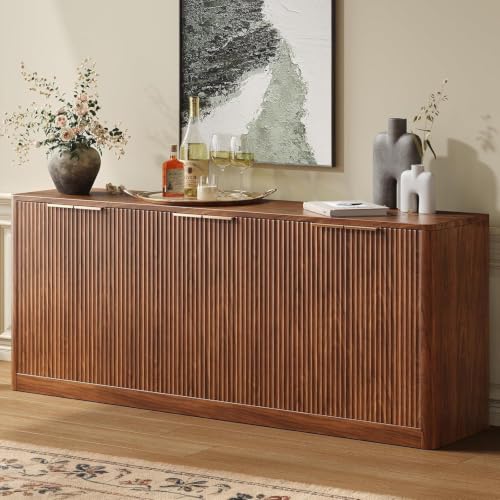
Begin with a thorough inspection of the piece, paying close attention to the spiral columns. Authentic items often exhibit fine craftsmanship, showcasing smooth transitions and consistent detailing. Examine for any signs of wear or fading that may indicate its age; a patina can enhance its appeal and value.
Consult reliable reference books or online databases dedicated to antique and vintage pieces. These resources will help determine the era and style of the item, aiding in accurate evaluation. Photographs of similar designs can serve as an invaluable comparison tool.


Pay careful attention to the condition of finishes and any repairs. Original surfaces hold more value than newly restored ones. If necessary, engage an expert in restoration to ensure the integrity of the piece is maintained while enhancing its aesthetic appeal.
Marketplace trends fluctuate, but established auctions and antique shows provide insight into current pricing. Joining communities focused on vintage collectibles can further enrich your understanding and connect you with knowledgeable collectors.
Identifying the Age of Barley Twist Pieces
Begin with the craftsmanship. Inspect joinery techniques; handmade dovetail joints typically indicate earlier pieces, while machine-made may suggest later production. Look for small imperfections that showcase handwork.
Study the wood condition. Authentic items frequently exhibit wear patterns based on age and use. Authentic patina on surfaces or subtle color variations can point to significant history.
Examine the finish. Original pieces likely feature shellac or oil-based finishes, while more recent reproductions often sport glossy polyurethane. Inspect the depth and richness of the finish for authenticity.
Scrutinize the design elements. Classic motifs from specific periods, including floral carvings or geometric patterns, can help narrow down the timeline. Research typical characteristics across various historical periods to identify stylistic features.
Review provenance and labels. Documentation or stickers from established manufacturers offer insights into the period of creation. Auction house catalogs may also provide valuable dating information.
Access online databases or reference books focusing on period furniture. Cross-referencing noticed features with scholarly resources can enhance accuracy in dating these items.
Networking with antique experts or joining collector societies can yield insights. Engaging with passionate communities can provide first-hand experiences and knowledge shared among enthusiasts.
Identifying Barley Twist Furniture Characteristics
A clear feature to recognize is the distinctive spiral design of the legs and supports. Each piece showcases a symmetrical and elongated twist that contributes to its unique visual appeal. Evaluate the craftsmanship closely; well-made items often display intricate detailing on the wood, such as carvings or patterns.
Materials and Finishes
Solid hardwood is a primary material used, often oak or walnut. Aging can affect the finish, revealing glossier surfaces on older pieces or worn patches indicating frequent use. Check for signs of restoration or refinishing, as these can impact the item’s value.
Construction Techniques
Joinery is another critical aspect. Dovetail joints signify a higher quality traditional build, while screws or nails might indicate a more modern approach. Look for hand-cut joints as well, as they are indicative of earlier craftsmanship.
| Characteristic | Description |
|---|---|
| Leg Design | Spiral or twisted legs, often symmetrical |
| Materials | Solid hardwoods like oak or walnut |
| Finish | Varies from glossy to worn over time |
| Joinery | Dovetail or hand-cut joints preferred |
Understanding Different Styles and Periods
Recognizing the various designs and eras is key in assessing crafted pieces featuring spiral supports. Here’s a concise guide to several noteworthy periods:
17th Century: Jacobean Style
This period showcases robust construction with thick proportions. Notable characteristics include:
- Simplistic forms with minimal ornamentation.
- Heavy timbers often in oak.
- Often features carved details and turned elements.
18th Century: William and Mary to Queen Anne
Pieces from this era highlight elegance and refinement. Distinct elements include:
- Softer lines and more intricate carvings.
- Use of walnut and lighter woods.
- Curved profiles and leaner structures compared to earlier styles.
Tracking the development of these styles will enhance your understanding and ability to assess authenticity in items you encounter.
Examining Joinery Techniques for Age Verification
To ascertain the era of the piece, I scrutinize joinery methods. Early forms often featured mortise and tenon joints, which indicate craftsmanship prevalent in the 16th to 18th centuries. Look for signs of hand tools, such as chisel marks, which suggest authenticity over machine-made alternatives.
Joint Styles
Assess whether the construction employs dowels or pegs; these were common in the 17th century. Additionally, I pay attention to glue types. Animal hide glue was widely used until the advent of synthetic adhesives in the late 19th century. Any traces of hide glue can assist in confirming the object’s age.
Joint Construction Details
Observe the fit and finish of the joints. Over time, craftsmanship improved, leading to tighter, more seamless connections. A loose joint may suggest that it’s a later piece, possibly mass-produced. Lastly, elements like decorative carving around joints can indicate a specific period, as styles evolved significantly across centuries.
Assessing Wood Types Commonly Used in Spiraled Furniture
Analyzing the wood types helps determine the authenticity and age of intricately crafted items. Key materials often identified include:
- Oak: Highly durable with a prominent grain. Look for variations in color from light to dark brown and a coarse texture.
- Walnut: Recognized for its rich, dark hues and smooth finish. It typically features a fine, straight grain with occasional waves.
- Mahogany: Known for its reddish-brown tone and warm glow. The grain is usually straight, with broader patterns often appearing.
- Pine: Light in weight with a yellowish tint. It’s softer and displays a more pronounced grain with knots.
Identifying Specific Characteristics
Pay attention to:
- Grain Patterns: Different species exhibit unique patterns aiding identification.
- Color Variations: Check for natural variations in hue that indicate authenticity.
- Surface Finishing: Traditional pieces often show signs of hand finishing, while modern approaches might hew to smoother, machine-finished looks.
Through these observations, it becomes easier to gauge the item’s true origins based on its wooden composition.
Checking for Original Finishes and Patina
To determine authenticity, inspect the surface closely. Original finishes often display a warm, rich tone, a sign of aged lacquer or oil. Look for inconsistencies in the sheen, as original surfaces may have dulled or developed a natural patina. Use your fingers to feel for texture differences; a well-preserved finish should still highlight the wood grain without excessive gloss.
Recognizing Wear Patterns
Examine areas of regular contact, such as arms, legs, and edges. Authentic pieces typically show lighter wear, indicating years of gentle use. Contrasting newly applied finishes may appear too uniform or overly smooth, which can signify restoration attempts. Assess the presence of minor scratches or dents; these enhance the character of the piece and provide insights into its history.
Evaluating Repairs and Touch-Ups
Look for signs of over-spraying or inconsistent touch-ups that may detract from the original finish. Original surfaces will maintain a harmonious look. If you observe color mismatches in stains or paints, it suggests restoration work. Be cautious of overly polished areas indicating synthetic finishes, which can detract from the piece’s authenticity.
Using Manufacturer Marks and Labels to Date Furniture
Examine the manufacturer’s marks or labels, as they are crucial for pinpointing the origin and age of a piece. Familiarize yourself with well-known brands and their respective time frames. Certain labels can indicate a specific period during which the piece was produced, allowing for better identification of its historical context.
Common Markings and What They Indicate
Look for visible labels or stamps often found on the underside or back of a piece. Notable marks include:
| Manufacturer | Time Period | Mark Description |
|---|---|---|
| Thomasville | 1940s-2000s | Usually has a paper label with the name and location. |
| Baker | 1900s-Present | Often features a brass or paper label with the logo. |
| Henredon | 1950s-Present | Stamp or paper label typically found on the bottom. |
| Gustav Stickley | 1900-1910 | Has a green decal or bar label. |
Additional Tips for Verification
Cross-reference marks with online resources or collector guides to confirm details about the manufacturer. Seek marks that group specific styles or periods to enhance your understanding of the piece. Inconsistencies in marking may suggest modifications or repairs, affecting the overall authenticity.
Researching Historical Context and Provenance
Begin assessing the historical context of twisted wood pieces by examining key periods of production. Focus on the style and craftsmanship characteristics prevalent during different eras such as the Elizabethan, Jacobean, and Victorian periods. This examination will provide clues to the authenticity and age of the item.
Utilize resources such as:
- Books focused on historical furniture design.
- Academic papers concerning woodworking styles and techniques.
- Online databases or websites dedicated to antique assessments.
Identifying significant historical events can also enhance understanding of provenance. For example:
- Trade routes during the Renaissance influenced material availability.
- Specific guilds regulated production standards that may reflect on the furniture you study.
Investigate ownership history through lineage documents, auction catalogs, or estate sales. Provenance can significantly impact value, leading to better-informed negotiations.
Additionally, ensuring authenticity may require collaboration with experts. Consult appraisers specializing in antique craftsmanship to authenticate the piece’s origin. They may provide insights that aren’t easily accessible to the casual observer.
Networking with antique collectors and visiting specialized fairs can yield valuable information about piece provenance and styling trends. Connecting with knowledgeable individuals can lead to new insights and verification pathways.
Consulting with Antique Appraisers for Expert Opinions
Seek out a certified antique appraiser with expertise in period pieces to assess your item accurately. Verify their credentials and request references to ensure their reputation within the antique community.
Schedule an in-person evaluation, allowing the appraiser to inspect details closely. Observe their focus on construction methods, material quality, and any distinctive features, as these are pivotal for establishing authenticity. Take notes during the appraisal to document their insights.
Inquire about the appraiser’s process for determining market value. A well-versed expert will consider recent sales of similar items and current demand trends. This information aids in pricing and understanding investment potential.
Ask specific questions regarding the item’s history. A knowledgeable appraiser can provide information on its origin, including details about the maker, style influences, and regional characteristics. This context enriches the value assessment.
Request documentation of the appraisal, as this can serve as a formal record of the item’s assessed worth. Having a written evaluation can benefit future transactions or enhance its narrative when presenting to potential buyers.
Engaging an appraiser not only helps authenticate your piece but also connects you with a network of enthusiasts and collectors. Their recommendations on care and preservation can further enhance the longevity and appeal of the item.


