Caleb Turner
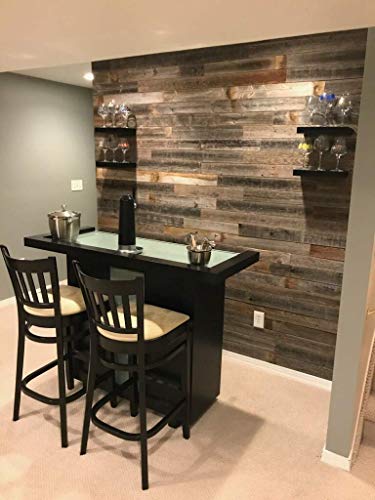
To infuse your living space with warmth and authenticity, consider using reclaimed wood for your projects. This material not only adds character but also embodies a history that modern alternatives often lack.
Incorporate natural finishes such as wood stains or oils to enhance the grain, allowing the raw beauty of the material to shine through. Selecting muted, earthy colors for your palette will further reinforce that inviting ambiance.
Pair your wooden creations with metal accents, like wrought iron or aged brass, to create a balance that brings together rustic charm and a touch of industrial flair. This combination can transform simple pieces into striking focal points.
Don’t shy away from imperfections; rather, celebrate them. Distressed edges and textured surfaces can tell a story and give each item a unique appeal. Mix and match different styles and eras to achieve a collected-over-time aesthetic.


Selecting the Right Wood Types for Rustic Furniture
For achieving an authentic feel, I prioritize using specific types of timber that possess unique grain patterns and textures. Here’s a rundown of ideal choices:
- Reclaimed Wood: Salvaged from old structures, it carries history and character. Look for pieces that showcase natural wear and imperfections.
- Pine: Affordable and widely available, pine lends itself well to a warm, inviting feel. The knots and grains in pine provide that sought-after rustic charm.
- <strong.Oak: A strong hardwood that offers durability. The visible grain patterns can add depth to any piece, making it a favorite for heavier items like tables and cabinets.
- <strong.Maple: Known for its smooth surface and light color, maple can be stained easily to mimic other woods while still retaining a natural quality.
- Cedar: Naturally resistant to decay, cedar offers a distinctive aroma and solar-repellent properties. Ideal for outdoor applications such as garden benches.
- Walnut: Dark, rich tones and a fine grain offer a sophisticated touch while still upholding a rustic aesthetic. Perfect for accent pieces.
Considerations When Choosing Timber
Before committing to a wood type, consider the following:
- Durability: Ensure the wood can withstand wear and tear based on its intended use.
- Availability: Certain woods may be harder to find; make sure you’re sourcing sustainably.
- Finish: The right wood can look stunning with the appropriate sealants or stains that enhance its natural beauty.
Mixing and Matching
Blending different woods can create a unique aesthetic. For instance, pairing lighter woods like pine with darker accents like walnut can provide striking visual contrast. I often explore combinations based on grain patterns and colors to craft something distinct and captivating.
Techniques for Achieving a Weathered Finish
Using a wire brush on the wood’s surface effectively creates a distressed appearance. I find that scrubbing in various directions highlights the grain and introduces texture, making it look worn over time.
Another approach involves applying a vinegar and steel wool solution. After soaking steel wool in vinegar for 24 hours, I use it as a stain to achieve a grayish tint, effectively mimicking aged timber.
If a more rustic patina is desired, I recommend mixing paint with a bit of water, then dry brushing it onto the piece. This achieves a subtle layered effect that enhances depth and character in the wood.
For further aging, I often apply a homemade paste wax with pigments. Rubbing this onto the surface not only preserves the wood but adds a rich luster and maintains a sense of authenticity.
Lastly, exposure to natural elements works wonders. Leaving the item outside for a few weeks can weather the finish organically, resulting in a genuinely aged look that can’t be replicated artificially.
Incorporating Reclaimed Materials in Furniture Projects
Using reclaimed materials elevates any project by adding character and history. Look for old barn wood, pallets, or salvaged beams, as they often possess unique textures and imperfections that enhance the end product’s charm.
Finding Quality Reclaimed Sources
Check local salvage yards, architectural reclaim stores, and online marketplaces for reliable sources. Ensure that the materials are free of toxic finishes. Whenever possible, ask about the origin of the wood and any treatments it has undergone.
Preparing Reclaimed Materials
Before using reclaimed pieces, clean them thoroughly to remove dirt and potential contaminants. Sand lightly to smooth rough edges while preserving the wood’s character. If the material has old paint or stains, consider using a chemical stripper or heat gun for removal. Always wear protective gear when handling such tools.
Tools Needed for Rustic Furniture Construction
For crafting attractive and sturdy pieces that evoke a charming, earthy feel, I rely on a specific array of tools. Here’s a breakdown of the essentials:
Hand Tools
1. Chisels: These are indispensable for shaping and trimming wood joints. A set of sharp chisels can make precise cuts and detail work much easier.
2. Handsaw: Essential for cutting lumber to size, a quality handsaw allows me to curate the lengths I need without relying solely on power tools.
3. Claw Hammer: Useful for driving nails and pulling them out. A comfortable grip is key for prolonged use.
4. Square: Accuracy is paramount. This tool ensures all angles are right, helping maintain perfect alignment in joints.
5. Wood Files and Rasps: These help achieve a smooth finish on edges and contours, providing a refined touch to rough materials.
Power Tools
1. Cordless Drill: Versatile and convenient for drilling holes and driving screws. A set of drill bits will cover various sizes and needs.
2. Circular Saw: Ideal for making straight cuts in larger boards, it saves time and enables consistent depth control.
3. Jigsaw: Perfect for cutting curves and intricate patterns, a jigsaw expands design possibilities significantly.
4. Sander: An orbital or belt sander helps me achieve a smooth surface quickly. I usually have a variety of grits on hand for progressive sanding.
5. Router: Excellent for adding decorative edges or hollowing out areas of the wood. With various bits, this tool can create unique profiles.
| Tool Type | Function |
|---|---|
| Chisels | Shaping and trimming joints |
| Handsaw | Cutting lumber to size |
| Square | Ensuring precise right angles |
| Cordless Drill | Drilling holes and driving screws |
| Sander | Smooth surface finishing |
Keeping all these tools organized will significantly enhance both efficiency and the quality of the resulting pieces. Investing in quality tools will pay dividends in durability and ease of use as well.
Creating Unique Joinery for Rustic Appeal
Utilize traditional joinery techniques to enhance the charm of your designs. Dovetail, mortise and tenon, and lap joints add strength and character. Each method showcases craftsmanship while ensuring durability.
For a more distinctive touch, consider implementing these techniques:
- Dovetail Joints: Perfect for drawers and boxes, they create a visually appealing interlocking pattern.
- Mortise and Tenon: Ideal for connecting two pieces at right angles. This method not only provides structural integrity but also highlights the craftsmanship involved.
- Rabbetted Joints: Use this for a flush finish when attaching panels. Rabbets are simple yet effective in joining components.
- Finger Joints: Truly demonstrate artisanal skills. This joint type exposes more surface area, allowing for greater glue adhesion.
Incorporate natural elements through visible joints. Instead of hiding them, showcase each connection. This method fosters authenticity, as the uniqueness of each piece captures the spirit of craftsmanship.
Experiment with different wood species for contrasting grain patterns within your joint designs. Mixing lighter woods with darker tones can create captivating visual effects. Choosing a clear finish allows these differences to shine.
Lastly, don’t shy away from imperfections. Character marks and slight misalignments enhance individuality. Each piece tells its own story, showcasing the hands that shaped it.
Staining and Sealing Methods for a Natural Look
Using natural stains such as walnut, oak, or cherry enhances the grain while allowing the wood’s character to shine through. I prefer water-based stains due to their quick drying time and easy cleanup. For a rich depth, I apply multiple coats, lightly sanding between applications to achieve a smoother finish.
For sealing, I opt for a clear polyurethane or a hardwax oil. Polyurethane provides a protective barrier, ideal for surfaces that will endure heavy use. I recommend applying it with a foam brush for an even coat. Hardwax oil, on the other hand, penetrates the wood, offering a matte finish while allowing for easy maintenance and the ability to refresh the surface over time.
Before I begin staining, I always prepare the surface by sanding it with fine-grit sandpaper, ensuring the wood is clean and free of dust. This step is crucial for achieving a smooth, even finish. After applying the stain, I let it cure fully before applying the sealant, usually for at least 24 hours.
Experimenting with different products can yield various effects, achieving everything from a slightly weathered appearance to a more polished surface while still maintaining that natural essence of the wood.
Remember to work in a well-ventilated area and always follow safety guidelines when using chemical products. Applying the right finishing techniques will greatly enhance the overall appeal of your pieces, allowing the natural beauty of the wood to be the star.
Using Textures to Enhance the Rustic Aesthetic
Incorporating various textures significantly enriches the visual appeal of your projects. Start by mixing different surfaces–combine smooth finishes with rough-hewn elements. For instance, pair polished reclaimed wood tabletops with distressed bases. This contrast amplifies tactile interest.
Textured Finishes
Experiment with techniques like wire brushing to create a weathered texture on woods like oak or pine. This process removes soft wood strands, revealing a pronounced grain that adds character. Apply a matte varnish afterward to maintain the natural feel without shiny reflections.
Natural Elements
Integrate materials such as burlap, jute, or even leather accents to add warmth. Use these in upholstery or decorative elements to accentuate the handcrafted aspect. Mixing hard surfaces with soft fabrics creates a welcoming ambiance, enhancing the cozy sentiment.
Lastly, consider layering textures with strategically placed decorative items–think ceramic pots, woven baskets, or handcrafted metal pieces. This layering elevates the overall aesthetic and invites closer examination, enriching the experience of the piece.
Designing Functional Furniture with a Rustic Twist
Incorporate multipurpose design elements to enhance utility. For example, a coffee table that doubles as a storage chest maximizes space while offering an earthy aesthetic. Choosing a thick, solid wood top paired with a sturdy frame provides both durability and character.
Utilize simple, clean lines that reflect natural forms. I often prefer pieces with straightforward silhouettes, avoiding excessive ornamentation, which allows the wood’s natural beauty to shine. This approach aligns well with traditional craftsmanship.
Consider incorporating hidden compartments. Implementing sliding panels or lifting surfaces can offer discreet areas for stashing items while maintaining a cohesive design. This functionality adds practicality, ensuring everyday use doesn’t compromise appearance.
Integrate comfortable, ergonomic features. For instance, optimizing chair heights and angles not only enhances comfort but also blends seamlessly with casual settings. Using thick, supportive upholstery in earthy tones can create a welcoming vibe.
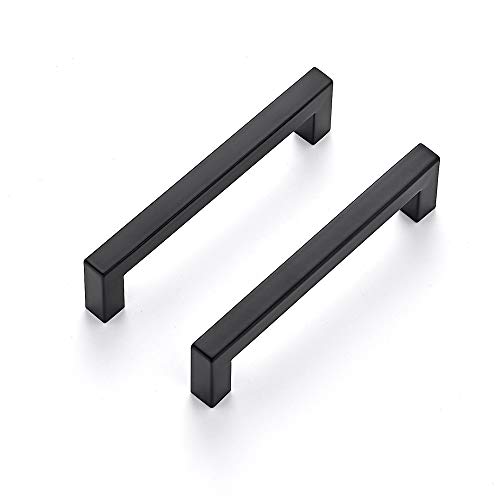
Experiment with mixed materials. Combining wood with metal accents or natural fibers produces visual interest without overwhelming the primary wooden elements. I find that a forged iron handle provides a charming contrast to a wooden cabinet.
Create modular designs. Items that can be easily reconfigured are ideal for dynamic living spaces. Think of a series of nesting side tables, which can adapt to different needs while maintaining a cohesive visual style.
Focus on craftsmanship and joinery techniques. Dovetail joints or exposed tenons add an artisanal touch, conveying strength and timelessness. These methods emphasize durability while showcasing traditional techniques synonymous with quality construction.