
 Caleb Turner

Choosing marine varnish is a smart move for safeguarding exterior pieces. This type of finish offers superior resistance to moisture and UV rays, ensuring longevity. It’s best to select a high-quality product suitable for your specific climate conditions.
Before applying, surface preparation is key. Thoroughly clean and sand the surfaces, eliminating any previous coatings and imperfections. I prefer to use a fine-grit sandpaper to achieve a smooth finish, which enhances adhesion and overall appearance.
When it comes to application, using a brush designed for finishes is ideal. I find that a natural bristle brush works best for even coverage. Apply thin layers, allowing adequate drying time between coats, typically 24 hours, to build a durable protective layer. For most projects, two to three coats are sufficient for optimal protection.
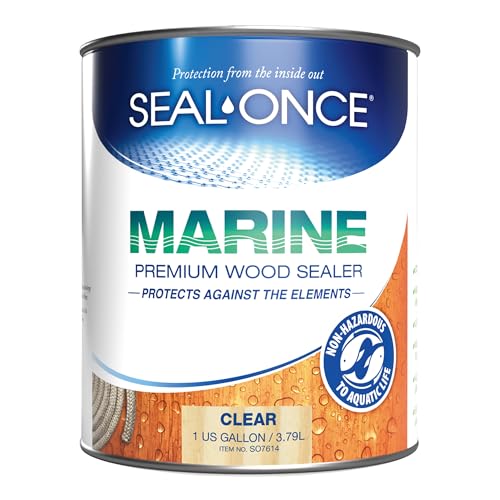


Maintenance is essential for keeping these items looking new. Regularly inspect for signs of wear or damage, particularly after harsh weather. A light sanding followed by reapplication of the varnish every year helps extend the life of your pieces and maintains their beauty.
Application Techniques for Protecting Exterior Timber Pieces
Choose the right finish based on your climate and the desired look. For wet regions, opt for a water-resistant sealant; in dry areas, a UV-blocking varnish works well. Always test on a small, inconspicuous area first.
Ensure that the surface is clean and dry. Sanding helps the product adhere better. Use 120-grit sandpaper for initial smoothing, then progress to 220-grit for a finer finish.
Apply the selected product with a high-quality brush or sprayer. Work in even strokes to avoid pooling, maintaining a wet edge to prevent lap marks. Allow proper drying time between coats, usually 24 hours, depending on environmental conditions.
Check the manufacturer’s guidelines for the number of layers needed; two to three are typically sufficient for optimal protection. After the final coat, allow for full curing, which may take up to a week. Regular maintenance is key–reapply when visible wear or UV damage appears.
Here’s a summary of recommended applications:
| Step | Description |
|---|---|
| Preparing the surface | Clean and sand the item to ensure proper adhesion. |
| Choosing the finish | Select according to climate conditions and desired aesthetics. |
| Application method | Even strokes with a brush or sprayer, maintaining a wet edge. |
| Drying time | Follow guidelines; allow 24 hours between coats. |
| Maintenance | Reapply as needed to combat wear and UV exposure. |
This approach ensures that your exterior pieces remain protected and look great for years to come.
Choosing the Right Type of Finish for Outdoor Wood
I recommend using a marine-grade varnish for maximum durability. This type provides a robust barrier against moisture and UV rays, which are significant threats for exterior surfaces. It’s designed to withstand harsh conditions, making it ideal for pieces exposed to the elements.
If a natural look is preferred, penetrating oils, like teak oil or tung oil, can be effective. These oils enhance the grain and provide moderate protection against water damage. However, regular reapplication is necessary to maintain their effectiveness.
Paint offers an alternative for total color customization and superior protection against wood rot. Choose a high-quality, exterior-grade paint specifically formulated for external use. This option often requires less frequent maintenance compared to traditional finishes.
For a subtle sheen and additional resistance to fading, consider a water-repellent sealant. This option maintains the wood’s natural appearance while offering excellent protection from moisture and sunlight.
Evaluate your specific usage, environmental conditions, and desired aesthetics before making a final decision. Each finish has its unique advantages and application methods, so choose one that aligns with your needs.
Preparing the Wood Surface for Coating
I always ensure the surface is pristine before applying any finish. Begin by cleaning the surface thoroughly to remove dirt, dust, and grease. A mixture of mild soap and warm water works well. Use a soft brush or cloth to scrub, and rinse with clean water. Allow the surface to dry completely.
If the surface is rough or has visible imperfections, sanding is necessary. I opt for medium-grit sandpaper, like 120-grit, followed by fine-grit, typically 220-grit, to create a smooth texture. Sand in the direction of the grain to avoid scratches. After sanding, I vacuum the area to eliminate dust particles and wipe it down with a tack cloth for a spotless finish.
For pieces that have previously been treated, stripping the old finish is essential. I apply a quality paint stripper and wait as directed before scraping off the residue. Following this, I again sand the exposed surface to create a uniform texture.
Lastly, I inspect the piece for damage such as cracks or splits. If any are found, I use wood filler to repair them, ensuring it matches the color of the surrounding area. Once everything is prepared, I’m ready to move onto the finishing step with confidence that the surface is optimal for treatment.
Steps for Cleaning Outdoor Wood Furniture Properly
I recommend beginning the cleaning process by removing dust and debris with a soft brush or a microfiber cloth. This will prevent scratching the surface when applying any cleaning solutions.
Using the Right Cleaning Solution
Mix a gentle soap or a specialized cleaner with warm water in a bucket. A ratio of one cup of soap to a gallon of water generally works well. Avoid harsh chemicals, as they can damage the finish.
Dip a soft sponge or cloth into the solution, then scrub the surfaces in the direction of the grain. Focus on areas with noticeable stains or mildew buildup. For tough spots, a soft-bristle brush can be effective without harming the material.
Rinsing and Drying
Once the furniture is clean, thoroughly rinse with a garden hose to remove any soap residue. Make sure no water remains pooled on the surface, as this can lead to discoloration or mold growth. Use a clean towel to dry off excess moisture.
For best results, allow the structure to air dry completely in a well-ventilated area before applying any finish. This ensures that the surface is ready to absorb the coating effectively.
Applying Protective Sealers: Best Practices
Select a high-quality protective sealer specifically designed for exterior surfaces. This ensures maximum durability against harsh weather conditions. Look for products that contain UV filters to prevent fading and mildew inhibitors for long-lasting integrity.
Preparation Steps
Before application, thoroughly clean the surface to remove dirt and grime. A mixture of soap and water, or a dedicated wood cleaner, will help achieve this. Rinse and allow the surface to dry completely–this may take a few hours.
Inspect for any imperfections like mildew or existing finishes that need removal. Sanding might be necessary to create a smooth surface; use a medium-grit sandpaper followed by fine-grit for a polished finish. Always wipe away dust after sanding to ensure proper adhesion.
Application Guidelines
Using a high-quality brush or sprayer, apply the sealer in thin, even coats to avoid drips and pooling. Follow the manufacturer’s instructions regarding drying times between coats, typically around 1 to 2 hours. Multiple coats may be required for optimal protection, applying 2-3 layers is common.
| Step | Recommendation |
|---|---|
| Preparation | Clean and sand the surface thoroughly. |
| First Coat | Apply evenly, allow to dry as per instructions. |
| Subsequent Coats | Lightly sand between coats for better adhesion. |
| Final Drying | Allow to cure completely for maximum protection. |
After the final application, ensure that you allow adequate time for the sealer to cure. This can vary from a few days to a week, depending on ambient conditions and product specifications.
Understanding Different Application Techniques
I prefer using three primary methods to apply finishes: brush, spray, and wipe-on techniques. Each has its own strengths and best use scenarios.
- Brush Technique:
- Ideal for thicker coatings, ensuring a robust layer.
- Use a high-quality synthetic brush to prevent bristle loss.
- Apply in long, even strokes, working with the grain.
- Spray Technique:
- Great for achieving a smooth and even finish.
- Requires proper ventilation and protective gear.
- Maintain a consistent distance of about 12 inches from the surface for best results.
- Wipe-On Technique:
- Best for thinner, penetrating finishes and quick touch-ups.
- Use a clean, lint-free cloth to apply, ensuring even distribution.
- Let the finish absorb for several minutes, then wipe off excess.
Regardless of the method chosen, ensure to apply in a shaded area to prevent premature drying and optimally work the product into the surface for better adhesion.
Tools Needed for Coating Outdoor Wood Furniture
I recommend gathering the following tools before proceeding with the application process:
- Sandpaper: Choose medium and fine grit for surface smoothing.
- Sanding Block or Electric Sander: Ensures uniformity and reduces effort.
- Clean Rags: Essential for dust removal and applying contaminants.
- Brushes: Use natural bristle or synthetic depending on the finish type.
- Paint Roller: Suitable for larger surfaces; choose a roller with a short nap.
- Sprayer: An airless sprayer can provide an even coat with less effort on intricate designs.
- Drop Cloths: Protect surrounding areas from drips and spills.
- Safety Gear: Include gloves, goggles, and a mask for protection against fumes and dust.
- Measuring Cup or Mixing Stick: Necessary for accurate preparation of finishes.
- Putty Knife: Useful for repairing any imperfections prior to applying the finish.
Gathering these items will significantly enhance the quality of the finish and streamline the process.
Managing Drying Times and Conditions
After applying a protective layer, ensuring appropriate drying conditions is crucial for a durable finish. I recommend monitoring temperature and humidity levels closely.
- Maintain ambient temperature between 60°F to 80°F (15°C to 27°C) during the drying process.
- Avoid high humidity environments, as this can extend drying times significantly. Ideal humidity levels should be below 50%.
- Ensure good ventilation in the area to facilitate proper airflow, which helps speed up the evaporation process.
The type of sealer or finish used also influences drying times. Always refer to the manufacturer’s guidelines for specific recommendations. For example, oil-based products may take longer to dry than water-based alternatives.
- After application, allow the initial coat to dry completely before applying subsequent layers. This may take anywhere from 24 hours to several days based on conditions.
- Do not rush the drying process. Protect the items from direct sunlight during the first few hours, as rapid drying can cause cracking or peeling.
- Use a drying rack or elevate items to improve air circulation around them.
Finally, keep an eye on external factors like rain or dew. If unexpected moisture occurs, it’s best to delay any further work until conditions improve. By managing these variables effectively, I ensure a protective layer that endures over time.
Maintaining Coated Outdoor Wood Furniture
Regular inspection is key to preserving the longevity of treated items. I check for signs of wear, such as fading, cracking, or peeling of the finish. Early detection allows for timely action, preventing more extensive damage.
Cleaning Techniques
Utilize a soft-bristle brush or a sponge with mild soap and water for routine cleaning. Avoid harsh chemicals that can degrade the applied finish. Rinsing with clean water is essential to remove any soap residue that might remain.
Reapplication of Finish
Depending on environmental exposure, reapplication of protective layers should happen every 1-3 years. Before adding a new coat, ensure the surface is dry and clean. Lightly sand areas that show wear to promote adhesion of the new finish. Choosing a compatible product to layer over the existing finish is crucial for maintaining a uniform look and ensuring integrity.
I also consider seasonal preparations, such as additional sealing before winter months to protect against moisture. Storing beneath a cover during harsh weather can further prolong the life of these pieces.
Recognizing When to Reapply a New Coat
I observe the following signs to determine when it’s time for a refresh. First, I check for visible wear or fading. If the finish looks dull or uneven, it indicates the protective layer has diminished.
I examine the surface for cracks or peeling. Any signs of flaking suggest moisture has penetrated, requiring immediate attention. Even small blemishes can lead to larger issues, so I address them promptly.
Water resistance is crucial. I sprinkle water onto the surface; if it beads up, the finish is still effective. If the water soaks in quickly, it’s time to reapply a sealer.
Additionally, I consider exposure levels. If my seating is frequently in direct sunlight or subject to harsh weather, I typically reapply every year. For shaded or sheltered placements, I might extend the interval to two years.
Finally, I maintain a regular cleaning schedule. If I notice mold or mildew despite cleaning, it may indicate that the protective barrier has failed, signaling a need for renewal.


