Caleb Turner
I recommend using a simple mixture of olive oil and vinegar to rejuvenate your prized items made from animal hide. Combine two parts olive oil with one part white vinegar in a spray bottle. This blend effectively nourishes while restoring moisture. Lightly spritz the solution onto a soft cloth, then gently buff the surface in circular motions.
For stains, a paste of baking soda and water works wonders. Apply it directly to the affected area, let it sit for a few hours, then wipe it away with a damp cloth. This method safely lifts marks without damaging the material.
Regular dusting with a microfiber cloth keeps surfaces clean and prevents buildup. A few drops of essential oil can infuse a pleasant aroma, enhancing the overall experience of using these investments in your home. Just ensure you test any solution on an inconspicuous area before full application to avoid discoloration.
Care for Your Upholstered Pieces
I recommend using a mixture of natural ingredients to maintain the quality of your upholstered items. Combine equal parts of white vinegar and olive oil in a spray bottle. This blend helps to moisturize without leaving a greasy residue.


- Lightly mist the surface with the vinegar and oil mixture.
- Using a soft cloth, gently rub the solution into the material in circular motions.
- Allow it to absorb for about 30 minutes.
- Buff the area with a clean, dry cloth to enhance the shine.
Regularly repeating this process every few months keeps the material supple and improves its appearance. Additionally, use a soft brush or vacuum with an upholstery attachment to remove dirt and dust before applying any mixture.
Moisturizing and Protecting
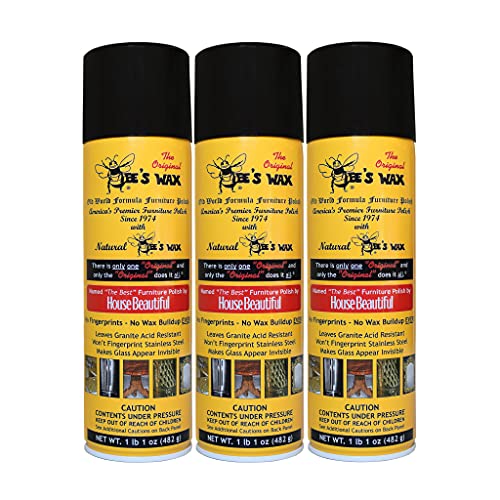
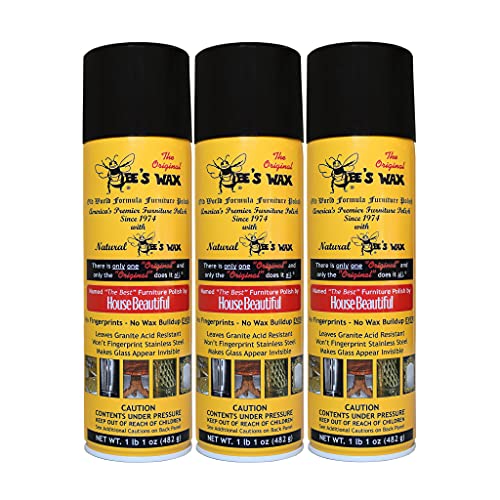
For extra protection, consider applying a beeswax-based conditioner. Melt beeswax and mix it with a carrier oil like coconut oil. Apply sparingly with a soft cloth and buff until smooth.
- Ensure the mixture is well combined before application.
- Avoid over-saturating the surface; a little goes a long way.
- Test in an inconspicuous area first to check for discoloration.
This approach forms a barrier against moisture and UV rays, extending the life of your cherished items. Remember to store away from direct sunlight to prevent fading.
Choosing the Right Natural Conditioner
Opt for products that contain beeswax, which forms a protective layer while allowing the material to breathe. Coconut oil is another excellent choice, known for its moisturizing properties without leaving residues. For those seeking a more aromatic option, almond oil can be beneficial; it not only nourishes the surface but also imparts a pleasant scent. Vinegar combined with olive oil serves as an effective solution, providing cleansing and conditioning in one step.
Before application, I test any mixture on a small, inconspicuous area to ensure compatibility. Maintaining a consistent regimen every few months keeps the material in optimal shape. Carry out this maintenance in a low-humidity environment to enhance absorption and prevent excess moisture.
Always utilize a soft, lint-free cloth to apply the chosen blend, as this minimizes friction and potential damage. A light buffing after application can help achieve a uniform sheen, accentuating the natural beauty of the piece.
For reconditioning, look for mixtures enriched with essential oils like jojoba, which closely resembles the natural oils found in animal hides. This integration enriches both appearance and longevity, making it a smart alternative to synthetic options.
Preparing the Leather Surface for Conditioning
Begin by removing any loose dirt or dust using a soft, dry cloth. A microfiber cloth works best for this task as it captures particles without causing scratches. Avoid rough fabrics that could damage the hide.
Next, take a damp cloth and wipe the surface to eliminate any remaining grime. It’s essential to use distilled water to prevent mineral deposits from tap water, which can affect the material’s appearance. After dampening the cloth, ensure it isn’t overly wet to avoid soaking the fibers.
Examining for Stains
Before proceeding, closely inspect the surface for any stains or discolorations. For minor spots, create a mild solution of vinegar and water (1:1 ratio) and gently dab the affected area with a soft cloth. Test this solution on an inconspicuous section first to confirm it will not alter the color or texture.
Allowing to Dry
Once cleaned, let the surface air dry completely. This step is crucial, as applying a conditioner on a damp surface can trap moisture, leading to mold or other issues. Make sure the environment is well-ventilated during this process to facilitate thorough drying.
After the surface has dried, it’s ready for the application of a chosen nourishing product, ensuring effective treatment of the material.
Using Olive Oil as a Leather Conditioner
First, ensure the surface is clean by gently wiping it with a damp cloth. Once dry, pour a small amount of olive oil onto a soft, lint-free cloth. I recommend using extra virgin olive oil for its natural properties.
Next, apply the oil to the item in circular motions, allowing it to absorb fully. This technique helps in nourishing and revitalizing the fibers, giving them a more supple feel. Avoid saturating the material–less is more.
After application, let it sit for about 30 minutes. This rest period allows the oil to penetrate deeper, improving moisture retention. In case of excess oil on the surface, I suggest buffing it gently with another clean cloth to achieve a uniform appearance.
It’s advisable to repeat this process every few months, adjusting frequency based on usage and environmental conditions. By doing so, I maintain the quality and longevity of my cherished pieces without relying on commercial products.
Lastly, always test the olive oil on a small, inconspicuous area first to ensure compatibility with the material, preventing any potential discoloration or damage.
Benefits of Beeswax in Leather Care
Beeswax serves as an excellent protective agent for various types of articles made from animal hides. Its natural composition provides multiple advantages, particularly when it comes to maintaining the integrity of these goods.
Moisture Resistance
This wax forms a barrier against water, helping to repel moisture that can lead to damage. Applying beeswax can significantly reduce the risk of stains and water marks, preserving the appearance and texture of the material.
Flexibility and Longevity
Incorporating beeswax into your care routine enhances the flexibility of the surface. It helps prevent cracking and dryness, which are common issues over time. Regular use not only maintains suppleness but also extends the lifespan of the item.
| Benefit | Description |
|---|---|
| Water Resistance | Creates a protective layer against moisture, preventing stains. |
| Enhances Flexibility | Maintains softness and prevents cracking over time. |
| Natural Shine | Provides a beautiful sheen without synthetic additives. |
| Eco-Friendly | Derived from natural sources, safe for the environment. |
Using beeswax not only protects but also adds a subtle sheen to surfaces, enhancing their natural beauty. This simple, yet highly effective option ensures that articles retain their aesthetic appeal while remaining functional.
DIY Leather Conditioning Mixture
For a simple yet effective blend, I combine equal parts of coconut oil and vinegar. This mixture not only nourishes but also cleans and protects surfaces. Start by measuring one tablespoon of each ingredient into a small bowl.
After mixing, use a soft cloth to apply the solution. I prefer a microfiber cloth for its absorbency. Rub the mixture gently in circular motions, ensuring an even distribution across the surface. This technique helps maintain the texture while providing moisture.
Allow the treatment to sit for about 10-15 minutes. This waiting period lets the oils penetrate and rejuvenate the material. Following this, I wipe away any excess with a clean cloth to prevent stickiness.
For enhanced protection, add a few drops of essential oil, such as lavender or tea tree. These not only impart a pleasant fragrance but also offer natural antibacterial properties. Adjust the amount based on personal preference.
Store any leftover blend in a dark glass container, keeping it away from direct sunlight. This ensures the longevity of the mixture for future applications.
Application Techniques for Best Results
Begin by gathering your materials: a soft cloth, your chosen conditioner, and a small bowl if you are mixing ingredients. Ensure the surface is clean and dust-free before applying any product.
Methodical Application
Use a small amount of the treatment to avoid oversaturation. Dampen the cloth slightly, and apply the mixture in a circular motion. This technique helps to evenly distribute the conditioner while ensuring it penetrates the material effectively.
Layering Technique
For enhanced hydration, consider applying a second layer after the first has absorbed. Wait approximately 30 minutes before checking for dryness; then assess if another application is necessary.
- Always work in small sections to maintain control and prevent unevenness.
- Keep a separate cloth handy for buffing the surface after application, which can enhance the sheen.
- If using beeswax, warm it slightly to make application easier and ensure it spreads smoothly.
Allow the product to settle for a good 24 hours before exposing the surface to sunlight or heavy use. This waiting period ensures optimal absorption and protection.
Lastly, routinely check for any areas needing additional attention. Spot treatments can prevent accumulated wear and maintain a consistent appearance throughout.
How Often Should You Condition Leather Furniture?
Every 6 to 12 months is the optimal frequency for applying a nourishing treatment to maintain the suppleness and appearance of the material. For high-traffic items or those exposed to direct sunlight, consider a quarterly application.
Inspect the texture regularly. If it feels dry or looks dull, an additional treatment may be necessary sooner. The environment plays a significant role; dry climates may necessitate more frequent attention compared to humid settings.
Noticing signs of wear, such as cracking or fading, indicates that it’s time to rejuvenate the surface. Adapting your schedule based on usage and environmental factors ensures prolonged durability.
Keeping a maintenance log can help track the intervals and conditions under which care was performed. This proactive approach aids in preserving the integrity and aesthetics of your treasured items.
Signs Your Leather Needs Conditioning
Look for visible dryness or cracks on the surface. If it feels rough or appears dull, it’s time to take action. Pay attention to any stiff areas, as they indicate a lack of moisture. Another telling sign is the absence of flexibility; leather should bend without resistance.
If you notice discoloration or fading, that’s a clear signal that nourishment is needed. Take note of any peeling or flaking, which suggests the protective barrier is weakened. Lastly, if there’s a musty or unpleasant odor, it might indicate that your piece requires immediate care to restore its natural essence.